Intermittent fasting for women. What it is, the real benefits, and my experience
How intermittent fasting affects women's hormones, blood sugar and inflammation, how to start safely, adjust by cycle phase, and whether it aids weight loss.
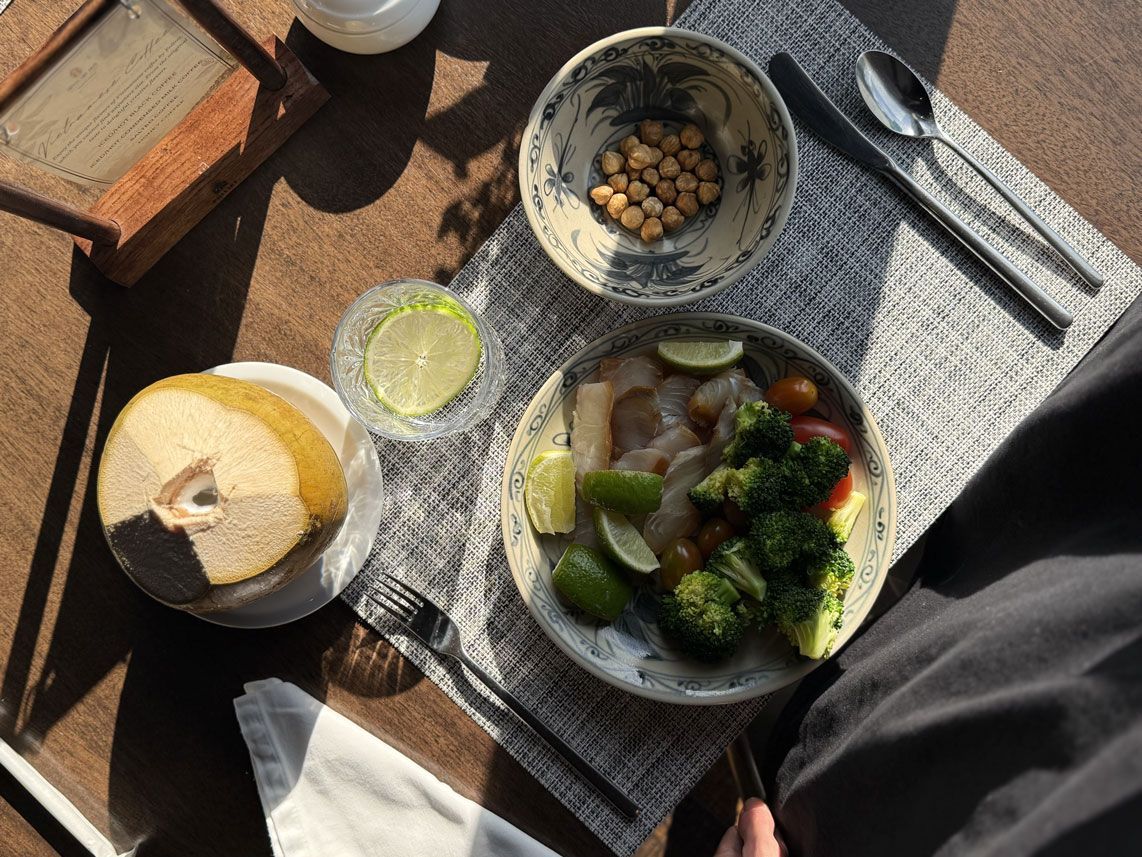
I tried intermittent fasting for the first time in 2023. And I have never left it since.
I had always known it existed, it is nothing new… But I only tried it when I discovered I was insulin resistant.
That is because intermittent fasting (or rather, “Time-Restricted Fasting,” as it should more properly be called) can help enormously to improve insulin sensitivity. As long as you do it the right way.
And that is exactly what we look at in this article.
A premise: intermittent fasting is not miraculous (like nothing in life, by now that should be clear). But it is a good tool in specific cases.
What intermittent fasting is
Let’s start by saying what it is NOT.
It is not a diet.
It does not tell you what or how much to eat.
It is simply a way of organizing your meals over the course of the day.
And in fact the most correct name for what is commonly called intermittent fasting would be " Time-Restricted Fasting ".
That is because, when you follow intermittent fasting, the day is divided into two windows:
- The window in which one fasts
- The window in which you concentrate all your meals
Depending on the length of each window, we can identify three different levels:
- “Beginner” level: 12 hours of fasting, 12 hours in which meals are concentrated.
- “Intermediate” level: 14 hours of fasting, 10 hours in which meals are concentrated.
- “Advanced” level: 16 hours of fasting, 8 hours in which meals are concentrated.
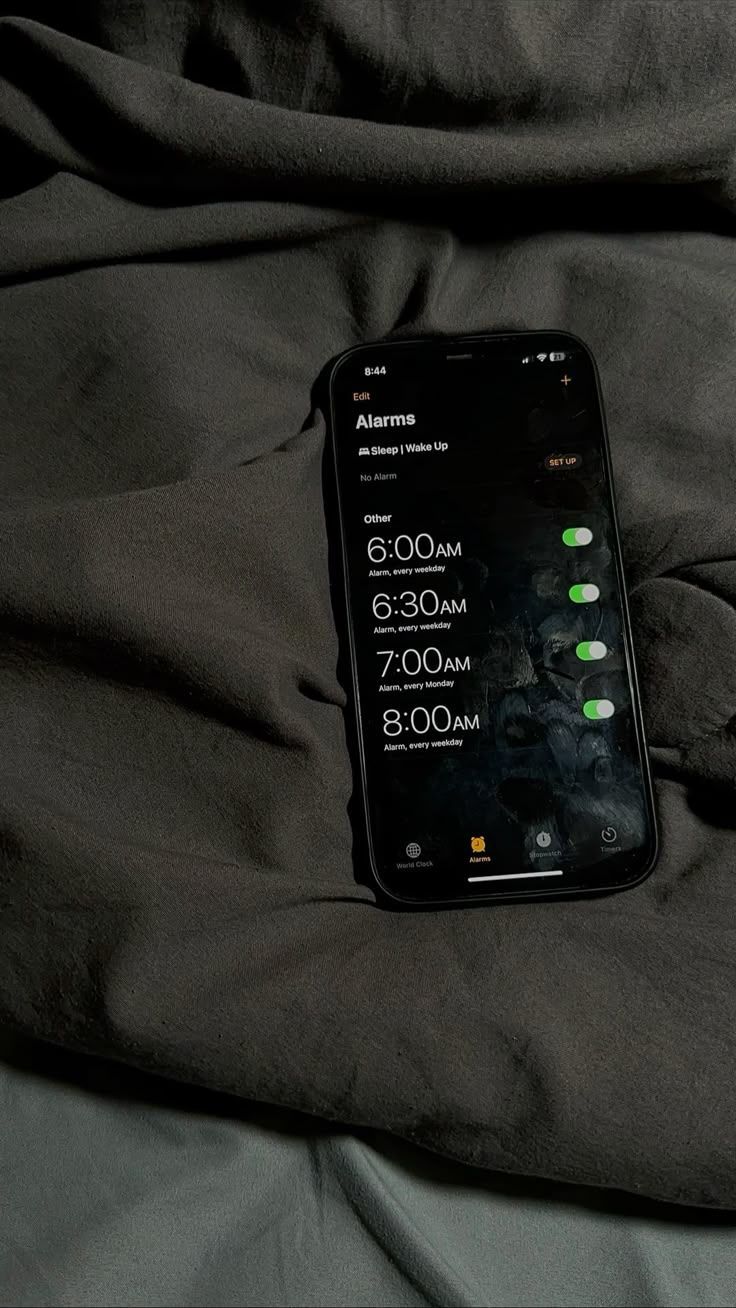
Let me give you a practical example, because it is simpler.
If you follow the “intermediate” 14/10 level, you could (for example, but the combinations are endless) eat from 10 in the morning to 8 in the evening. By 8pm you will need to have finished your dinner, and you will fast until 10 the following morning.
Beyond these three levels there are also more extreme ones (for example, 24 hour fasts), but personally I do not recommend them for a woman.
What you can eat
During the fasting window
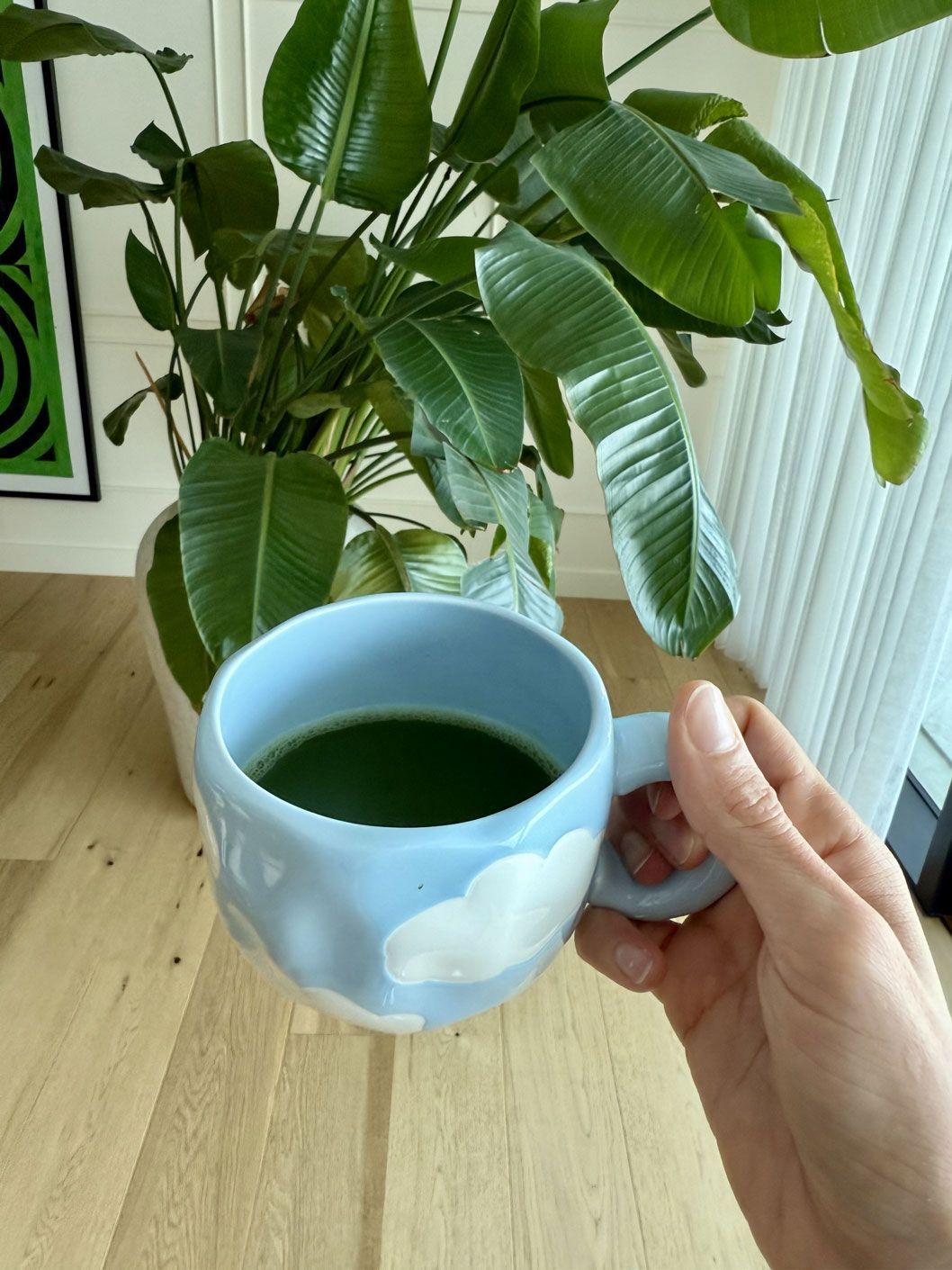
During the fasting hours you can drink (in fact, you must drink!). In particular, all beverages that have no calories are allowed: water, sparkling water, tea or herbal teas without sugar or milk, coffee without sugar or milk.
Beverages that contain calories are excluded, because they would break your fast.
During the eating window
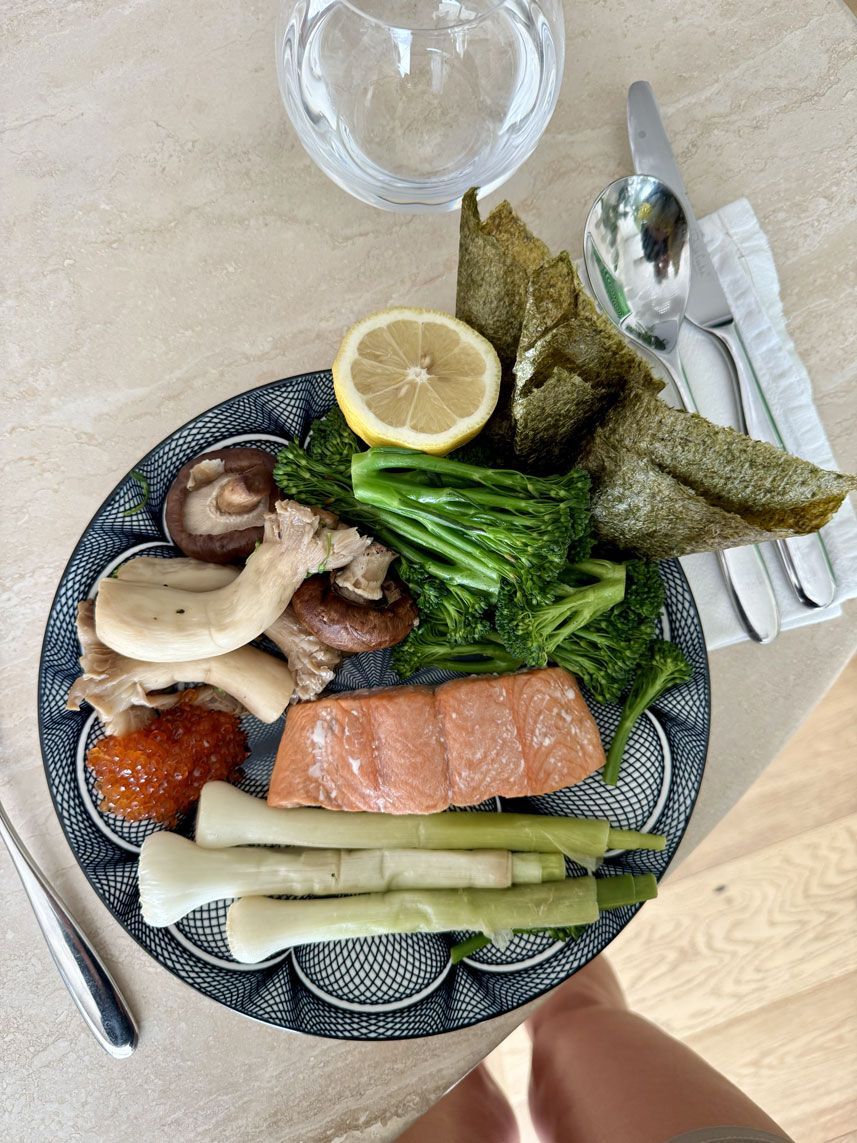
Well, as we have seen, intermittent fasting is not a diet, so you can eat… whatever you like!
Some people prefer to have fewer meals and, for example, combine breakfast with lunch, while others keep more meals across the hours in which they can eat. But there are no limits to the foods you can choose.
It has to be said that if your goal is to follow an anti-inflammatory way of eating to reduce bloating and inflammation, it would be better to avoid alcohol and processed foods. I talked about it here.
The benefits according to science
The main reason I started following intermittent fasting is precisely these benefits.
-
Insulin sensitivity and blood sugar.
When you limit the hours in which you eat, during the fasting window the body “clears out” the glucose in circulation and improves insulin sensitivity. It is one of the most documented effects of intermittent fasting, and it is also the reason I started following it.
It is, however, essential how you break the fast, that is, what you eat in the first meal of the eating window. Don’t worry: I talk about it in depth a little further on in this article.
-
Reduction of chronic inflammation
Intermittent fasting seems to reduce inflammation in the body, both through direct mechanisms such as autophagy (cellular turnover), and through the weight loss that often accompanies it.
And a very recent study (from February 2026) published in Gastroenterology showed how 16/8 fasting managed to control the symptoms of Crohn’s disease and halve inflammatory markers in just 12 weeks.
Even without blood tests, after a few weeks of intermittent fasting you often notice that the skin is brighter and has fewer imperfections and the belly is less bloated. These are all signs consistent with reduced inflammation.
-
Autophagy and cellular turnover
During fasting, cells activate a process called autophagy (which literally means “eating oneself”) in which they regenerate. Yoshinori Ohsumi won the Nobel Prize in 2016 precisely for his studies on the mechanisms of autophagy.
And if cells regenerate, our immune response also improves. It has to be said, however, that this mechanism is activated with generally longer fasts, which personally I do not recommend for women.
-
Gut health
Intermittent fasting also seems to improve the composition of the gut microbiota, that “ecosystem” of bacteria that lives in our gut and plays a fundamental role in digestion, the immune system, and inflammation.
What to expect if you follow intermittent fasting
Science aside, I have followed intermittent fasting for 3 years simply because I feel good with it.
And many of the benefits I have experienced have also been experienced by many of the girls in the community who have tried it.
In particular:
- Stable energy during the day
- Mental clarity
- Better blood sugar management, with consequently less anxiety, palpitations, and pulsing in the head
- Skin with fewer imperfections and more radiance

Does it make you lose weight?
“Carlotta, but will intermittent fasting make me lose weight?”
This is by far the question I receive most often.
And the answer is not so immediate. It could be yes, it could be no.
I will say it once more: intermittent fasting is not a diet. It does not tell you what to eat.
And to lose weight you need to be in a caloric deficit, that is, to eat less than you burn during the day.
There are two key points (and I will explain them with an example, because I think it is clearer).
Imagine you do not follow intermittent fasting: you get up at 7 in the morning, you have breakfast at 7:20. You go to the office, and with your coffee you have a snack. Then you have lunch. After lunch you have another snack. You have dinner at 8pm and at 10pm in front of the TV you have one last snack.
Now imagine you follow intermittent fasting: you get up at 7 in the morning, you go to the office, you fast until noon. Then you have lunch, a slightly more abundant lunch than the one you would have had in the first scenario; in the afternoon you have a snack; you come home, have dinner, and by 8pm you are done. After dinner you eat nothing.
It is clear that in the second scenario the calories are lower because, by concentrating your meals in a few hours, you actually eat less. On the one hand because you have fewer occasions to eat, and on the other because after a while you feel full and rarely eat in a single meal what you would have eaten in two meals, or in one meal and two snacks.
The second reason, though, is that, as we have seen, intermittent fasting helps to stabilize blood sugar.
And stable blood sugar leads to fewer hunger pangs during the day.
You know when you have breakfast with rusks and jam, then go to the office and after two hours you are hungry again? Then you have some taralli with your coffee and a couple of hours later there is a chasm in your stomach again.
This is because your blood sugar keeps rising and falling. And when it falls, the hunger pang comes back.
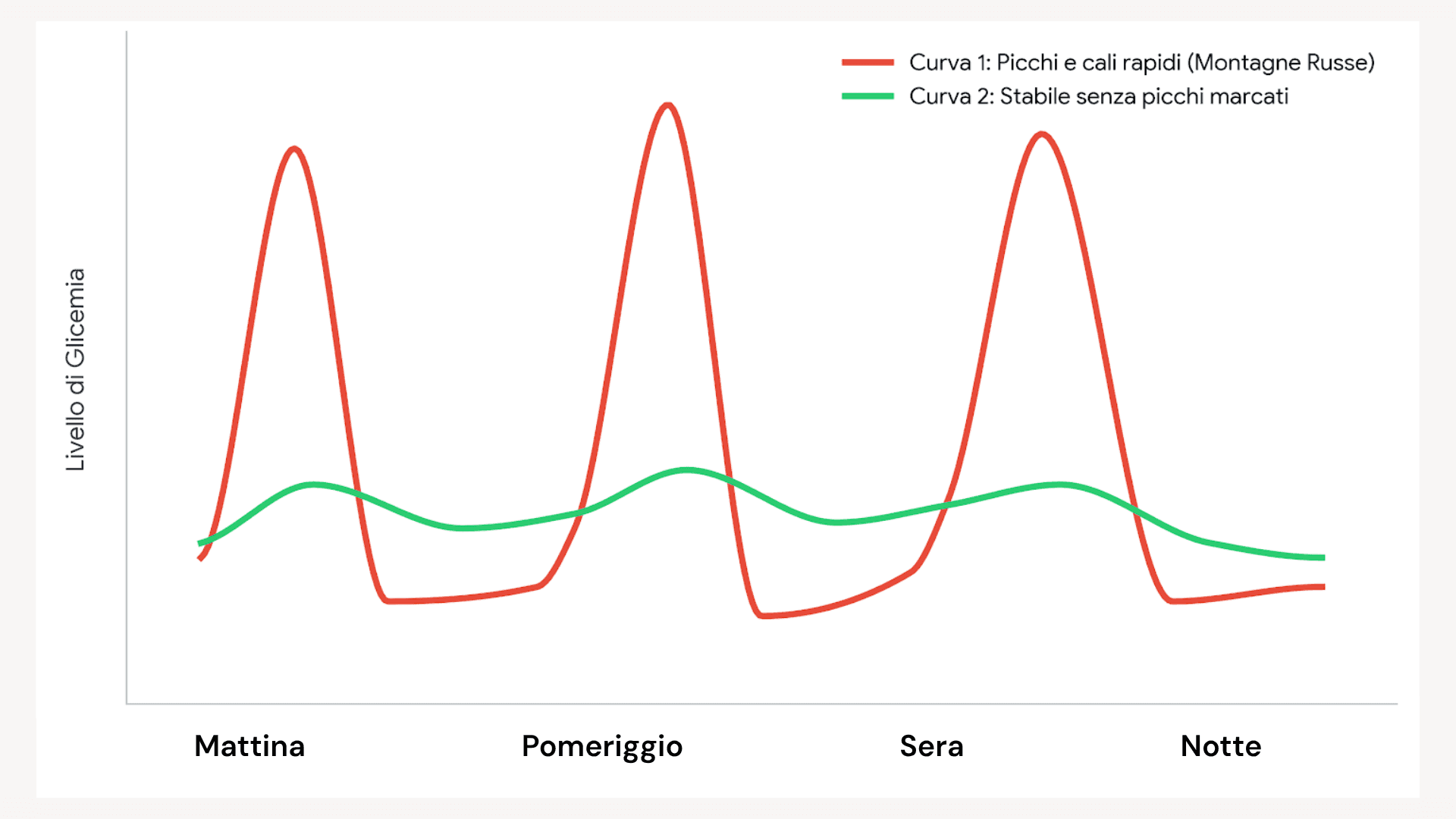
When instead blood sugar is more stable and with less pronounced peaks, this does not happen.
Personally I do not follow, and have never followed, intermittent fasting to lose weight, and I always make sure to eat enough to maintain my weight.
But if your goal is to lose weight, intermittent fasting can make it easier.
What to do in case of insulin resistance
If you are insulin resistant, however, you need to pay attention to how you break the fast.
What does that mean?
It means you need to pay attention to what you eat in the first post-fasting meal.
If in fact you break the fast with high glycemic index foods, you risk having a very pronounced blood sugar spike.
It would instead be better to break it with a meal rich in vegetables (fibre that keeps blood sugar stable), proteins, and fats.
The order in which you eat your foods also makes a difference: always try to eat vegetables and proteins first, and only carbohydrates last.
So, for example, if you have a meal with chicken breast, broccoli, and pasta, you eat the broccoli and chicken first and the pasta last.
Intermittent fasting for women: what changes
Intermittent fasting has been studied at length, but in most studies the participants were men. And men have a very different hormonal setup from women.
Let me try to explain it to you simply.

Female hormones
The menstrual cycle is regulated by the hypothalamic-pituitary-ovarian axis (HPO), which orchestrates estrogen, progesterone, LH, and FSH. When the body perceives a caloric or energy restriction that is too prolonged, the hypothalamus can slow down the production of GnRH (the hormone that sets the whole cycle in motion). Men do not have this problem. Their hormones regulate on a daily basis, not a monthly one (and obviously they do not have a cycle).
In addition, women, compared to men, are more reactive to increases in cortisol (the stress hormone), and some studies show that fasting can raise cortisol.
Finally, women are more prone to vitamin and mineral deficiencies (such as iodine and iron) than men.
What does science say about it?
An analysis of several studies from 2024 examined the effects of intermittent fasting on female reproductive hormones, and the results were mixed. In some women, 16/8 intermittent fasting did not alter hormones; while others had irregular cycles (although it must be said that in these cases the caloric restriction had been excessive). Tuswandi Ahmad Waly, Bayu Setyo Nugroho, 2024.
It has to be said, however, that in all these studies in which women had negative results from intermittent fasting, the caloric restriction had been excessive and/or the fasting was too prolonged (for example, complete alternate-day fasting and not “normal” intermittent fasting).
So what to do
- Start gradually. Start with a 12/12 or 14/10 fast, never straight from the advanced 16/8 level, and in general try to avoid fasts longer than 18 hours.
- Still make sure to eat enough and to cover all your nutrients. You need to have energy during the day.
- Listen to your body’s signals: if you are perpetually tired, start losing hair, are always cold, or are always in a bad mood and on edge, fasting is not for you at this moment.
When to avoid intermittent fasting
In some cases intermittent fasting should be avoided, for example if you:
- Are underweight
- Have vitamin or mineral deficiencies
- Have very high cortisol and/or are under constant stress
- Take medications that could interfere
- Are pregnant or breastfeeding
- Have eating disorders such as anorexia, bulimia, or binge eating
- Have diagnosed diabetes (risk of hypoglycemia)
- Have irregular menstrual cycles or amenorrhea
- Are under 18 or over 60
In general: before any significant change to your eating regime, talk to your doctor.
Women in perimenopause and menopause
With the drop in estrogen that occurs during menopause, insulin resistance naturally increases and it becomes harder to lose abdominal fat. Several recent studies show that intermittent fasting can be particularly useful in this phase:
- it reduces insulin resistance
- improves the metabolic profile
- she does not carry the same hormonal risks it can have in fertile age (because the menstrual cycle is no longer a factor).
But here too, there are women in perimenopause who, with fasting, see symptoms such as hot flashes, insomnia, or fatigue get worse.
As always: start gradually, listen to your body’s signals, and before you begin, talk to your doctor.
How to organize your days
As we have seen, there are no precise timings.
You can decide to eat from noon to 8pm, or from 7 in the morning to 3 in the afternoon, or from 9 in the morning to 9 in the evening.
You are the one who sets your own hours (and this is one of the best things about intermittent fasting).
Remember one thing, though: quality is more important than any fast.
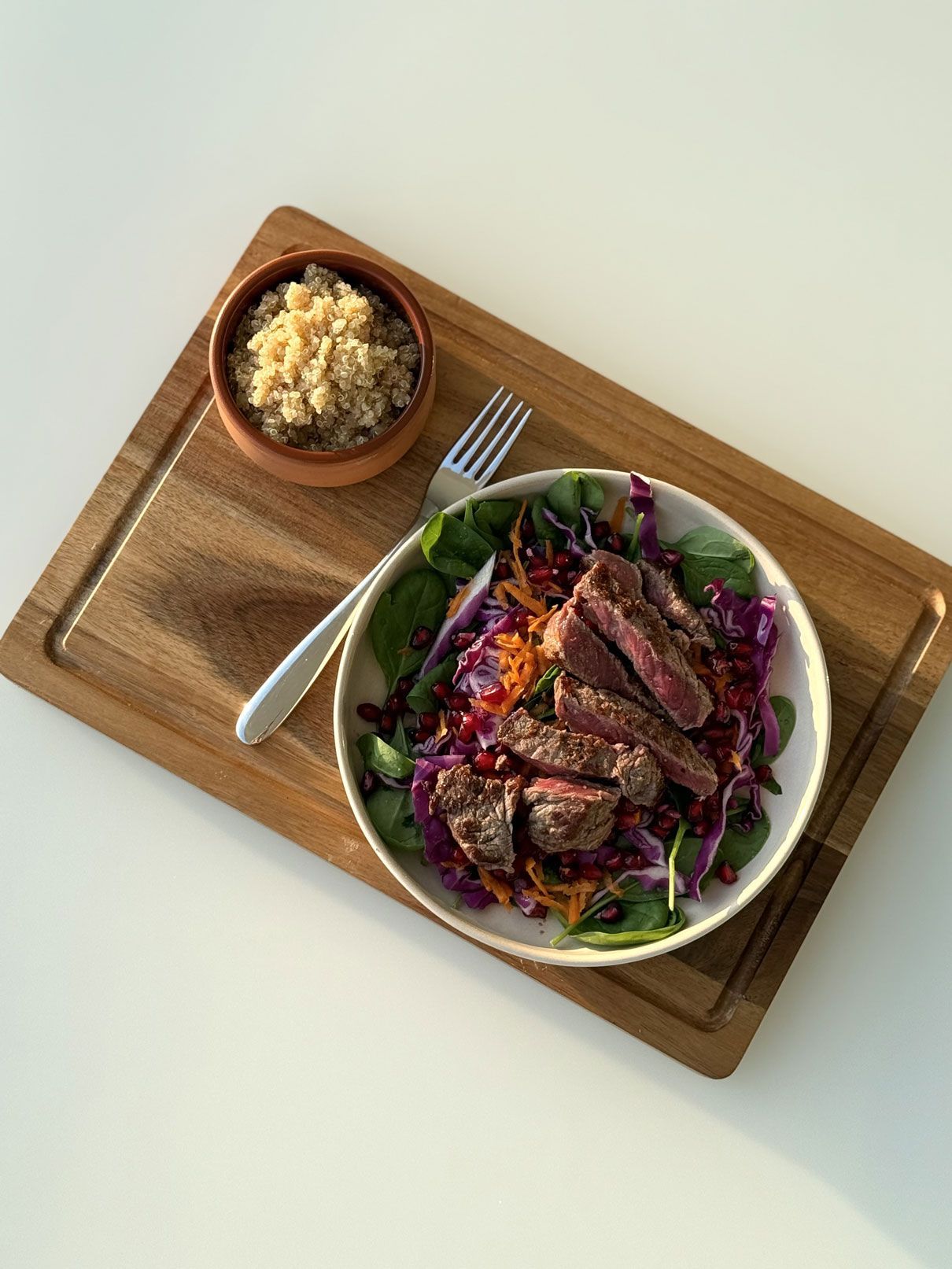
If you follow intermittent fasting, but then eat lots of processed, hyper-sugary foods or foods loaded with trans fats… no fast can hold up against that. If your goal is to be healthy, to debloat and drain, the foundation has to be anti-inflammatory eating, simple and natural. I talked about it here.
Frequently asked questions
Can I train during the fast?
In general there are no problems, but always listen to your body. If you feel your blood pressure is very low or your energy is low, it is better to train during the eating window.
What can I have during the fast?
Water (it is important to stay very hydrated), black coffee, herbal teas, tea.
The important thing is that you do not add sugar or milk. Fruit juices, collagen, protein powder, or any kind of food or drink with calories break the fast (even in small amounts).
Does intermittent fasting make you lose weight on its own?
No, not if you do not reduce the total calories you take in. Intermittent fasting in itself does not make you lose weight; it always depends on what and how much you eat during the eating window.
But as we have seen, many people lose weight because, by reducing the hours in which they can eat, they cut out snacks, nibbling between meals, and foods eaten out of boredom. As a result they eat less than they used to.
Can I do intermittent fasting every day?
Yes, in fact it is much easier than doing it on alternate days. The body adapts very easily and it becomes a routine.
Can I do intermittent fasting during my period?
Yes, but consider shortening the fasting window in the luteal phase (the week before your period starts). Many women feel better switching from 16/8 to 14/10 or even 12/12 on those days.
Can you take supplements during the fast?
It depends which supplements. Supplements such as magnesium or vitamins generally do not break the fast. Supplements such as caprylic acid, BCAAs with caloric sweeteners, and MCT oil can break the fast. Protein powders always break the fast.
In short
Intermittent fasting:
- Is not a diet, it is a way of organizing meals.
- Has real, documented benefits on insulin sensitivity, inflammation, and cellular turnover.
- For women it requires more care: start gradually, avoid extreme protocols, listen to your body, and monitor your cycle.
- On its own it does not make you lose weight, but it can help if you often snack or nibble between meals.
- It is not for everyone: during pregnancy, breastfeeding, and in particular situations such as being underweight, malnutrition, eating disorders, or irregular cycles, it would be better to avoid it.
Intermittent fasting is one of the pillars of my routine and of Lymphatic Drainage Pilates, but it is only one of many.
If you want to try the complete approach, start the free 7-day trial
Carlotta's insights, straight to your inbox
Just your name and email, unsubscribe anytime.