Anti-inflammatory foods that actually reduce inflammation and what to avoid
Do you constantly feel bloated and tired? You could be eating the wrong foods without knowing it. What to eat, what to avoid, and 10 practical swaps to start today.
Let me make a confession: until a few years ago, I didn’t even know what “anti-inflammatory diet” meant.
Worse. For years I thought I was eating “healthy,” when in reality I was inflaming my body.
And yet I believed I was doing everything right.
It all started when I was fairly young, with “light” products. In the 2000s they were everywhere, and my family bought them too.
Yogurt? Better if it’s 0.1%.
Mozzarella? Don’t even ask: light or nothing.
Cereal? Light, obviously!
And fizzy drinks? If they’re Zero they don’t make you gain weight, so they must be great.
When I think about it now, I get goosebumps (and I’ll explain why in a moment).

Let’s jump forward a few years in my life.
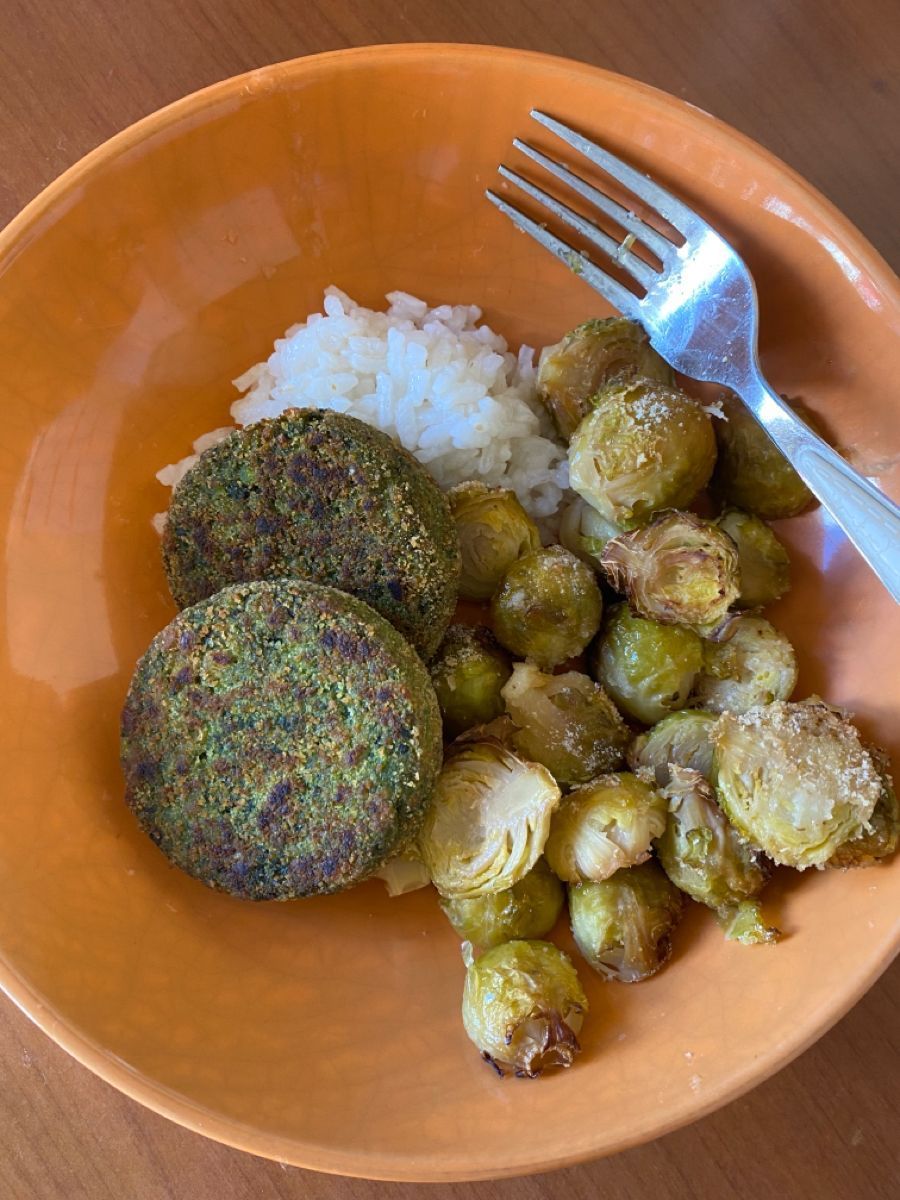
From 2018 to 2020 I was vegetarian. The choice was driven by ethics, but with little time and no idea how to cook tofu and legumes in a tasty way, I relied a lot (too much) on ultra-processed veggie burgers and nuggets (which are anything but “healthy”; one look at the ingredient list is enough to see it).
Then came the “if it’s high-protein, it must be fine” phase.
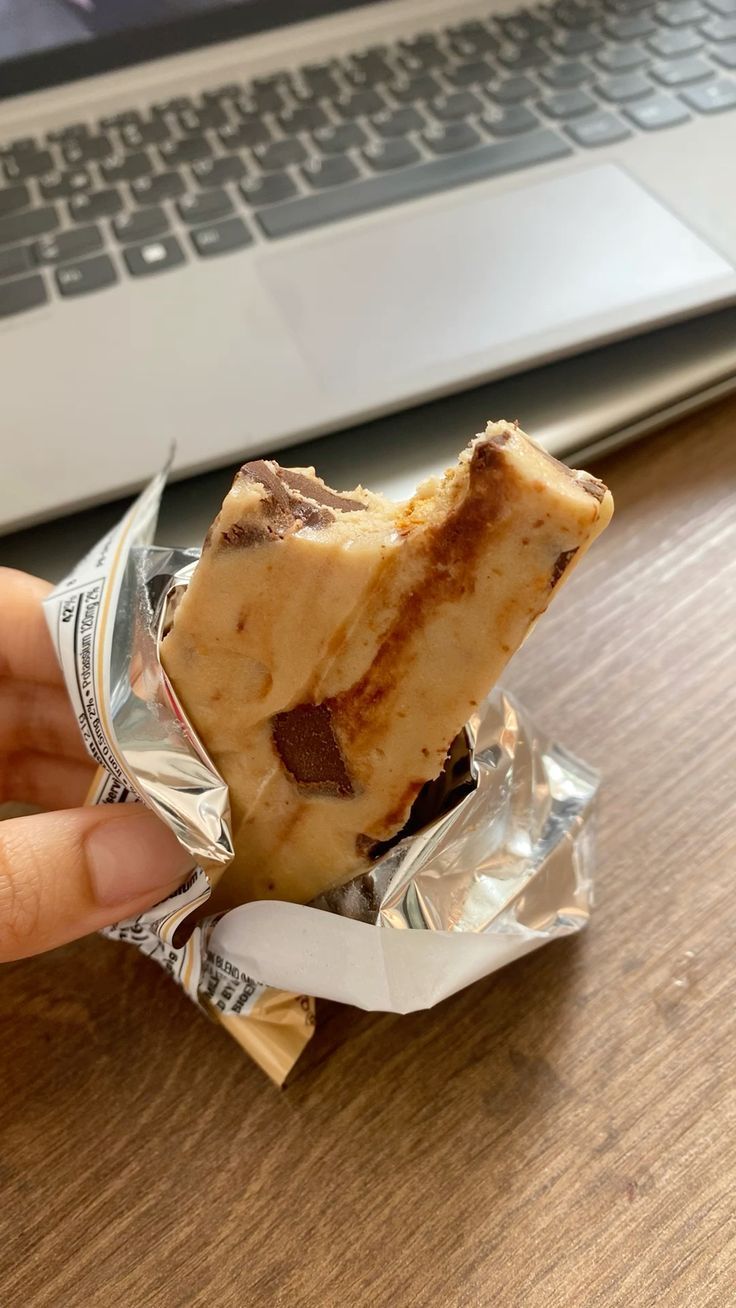
Or rather, I’d call it the “I’m obsessed with protein and nothing else matters” phase: whey (protein powder derived from milk), bars, pancake mixes, protein cookies.
The result? Bloating, tiredness, constipation.
It took me years to understand that the problem wasn’t how much I ate, but what I ate.
And the impact that “what” had on my body.
You should know that chronic inflammation (meaning inflammation that’s always present) is the cause of so many discomforts and problems: heaviness, bloating, fluid stagnation, cellulite, tiredness.
The good news is that food is one of the most powerful tools you have for learning to manage chronic inflammation.
If you too always feel weighed down, bloated, drained of energy, and unable to get the results you want even though you’re doing everything “right,” read this article.
Together we’ll look at what inflammation really is, which foods reduce it, which ones feed it, and a few smart swaps you can make starting today.
What inflammation is (and when it becomes a problem)
Let’s start with something important: inflammation is not the enemy.
It’s a natural and necessary response of your body.
When you get a wound, say a little paper cut (how is something so small so painful?!), the body starts an inflammatory process to heal you: it increases blood flow to the area and sends specific cells to that spot to repair the tissues.
Without this “good” inflammation, you wouldn’t heal.

As you can imagine, you don’t hurt yourself every day, so this “acute” inflammation happens only once in a while.
The problem is something else: chronic inflammation.
It’s a low-grade, silent inflammation that never switches off. Your body stays in a constant state of alert. And at that point, inflammation stops being something good that protects you and starts wearing you down.
That’s when the signals begin:
- abdominal bloating
- water retention
- heavy legs
- tiredness that won’t lift
- cellulite
- joint pain
- morning stiffness
We often don’t connect these symptoms to inflammation, but very often the root cause is exactly that.
And one of the most underestimated causes of chronic inflammation is our diet.
The best anti-inflammatory foods
Let’s start with the good news: the foods that help counter inflammation.
There’s no single “magic food” that reduces inflammation, but there are foods with different properties that, eaten regularly, help the body lower chronic inflammation.
Foods rich in omega-3
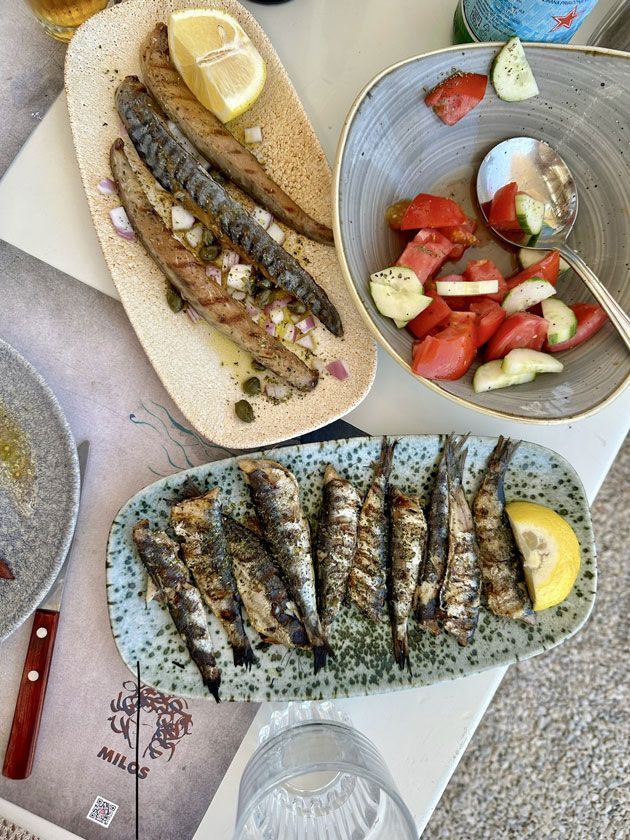
Salmon, mackerel, sardines, walnuts, chia seeds: all excellent sources of omega-3s, nutrients with anti-inflammatory and antioxidant properties.
But what are they exactly? Omega-3s are essential polyunsaturated fats that our body cannot produce on its own; they must be obtained through food.
But omega-3s aren’t the only essential polyunsaturated fats. There are also omega-6s, which, unlike omega-3s, have a predominantly pro-inflammatory action (meaning they increase inflammation). These are found mainly in vegetable oils like sunflower, peanut, or corn oil, and in nuts and seeds.
In an ideal world, omega-6 and omega-3 exist in our body in a ratio between 2:1 and 5:1. So between 2 and 5 times more omega-6 than omega-3.
Here’s the problem: the modern diet, full of industrial and hyper-processed foods, has a ratio that’s excessively skewed toward omega-6, the pro-inflammatory ones. Often the ratio is 20:1 or more, against the 2:1 it should be.
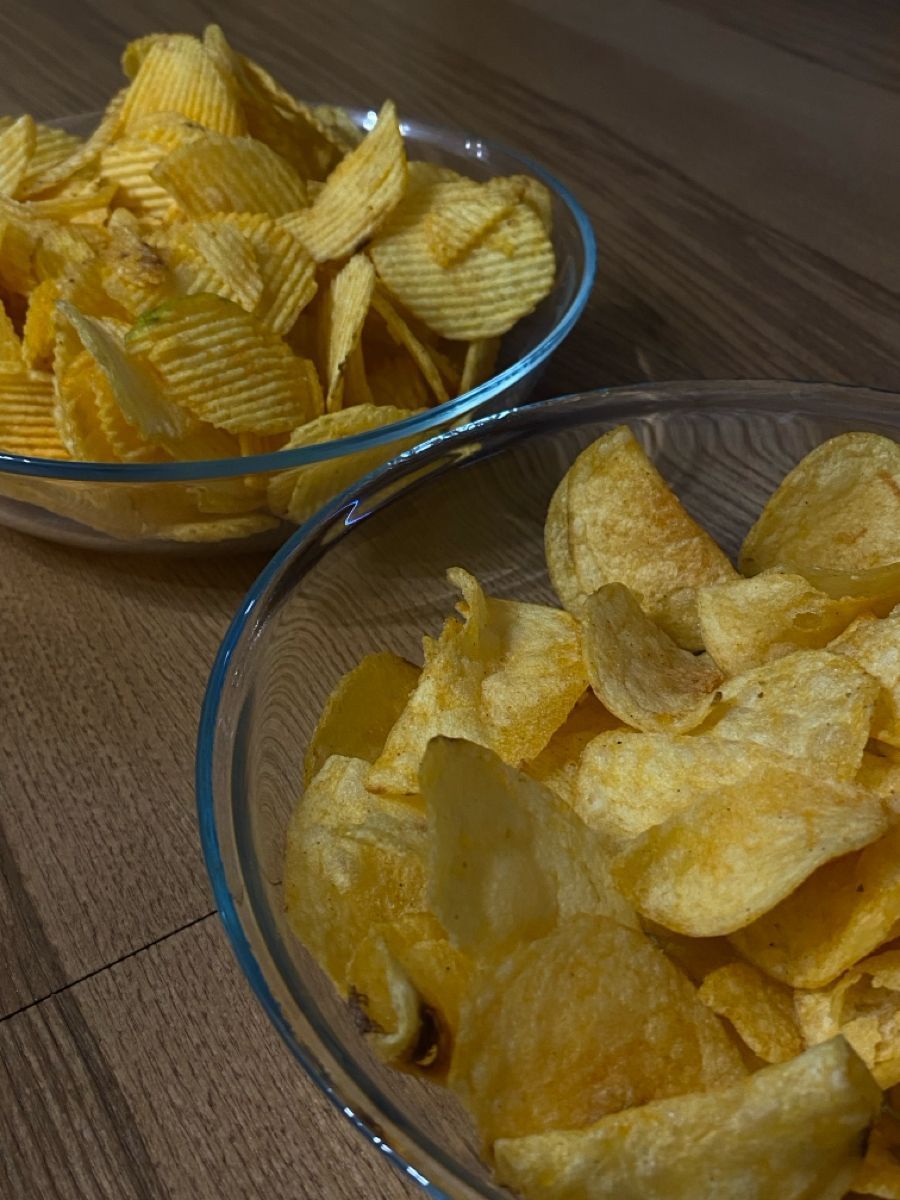
The main reason is that ultra-processed and industrial foods are packed with seed oils, and therefore with omega-6.
Start reading labels and you’ll see that, under different names, they’re more or less everywhere.
Sometimes they’re declared openly: “sunflower oil,” “corn oil,” “rapeseed oil,” “soybean oil,” “peanut oil.” Other times they hide behind generic wording like “vegetable oils,” “vegetable fats,” or “mixed seed oils,” or behind technical-sounding ingredients like soy or sunflower “lecithin” (an emulsifier derived from those very oils). When you find them on a label, you’re almost always holding an industrial product.
But back to our omega-3s. Aim for at least two to three servings of fatty fish a week.
Leafy green vegetables
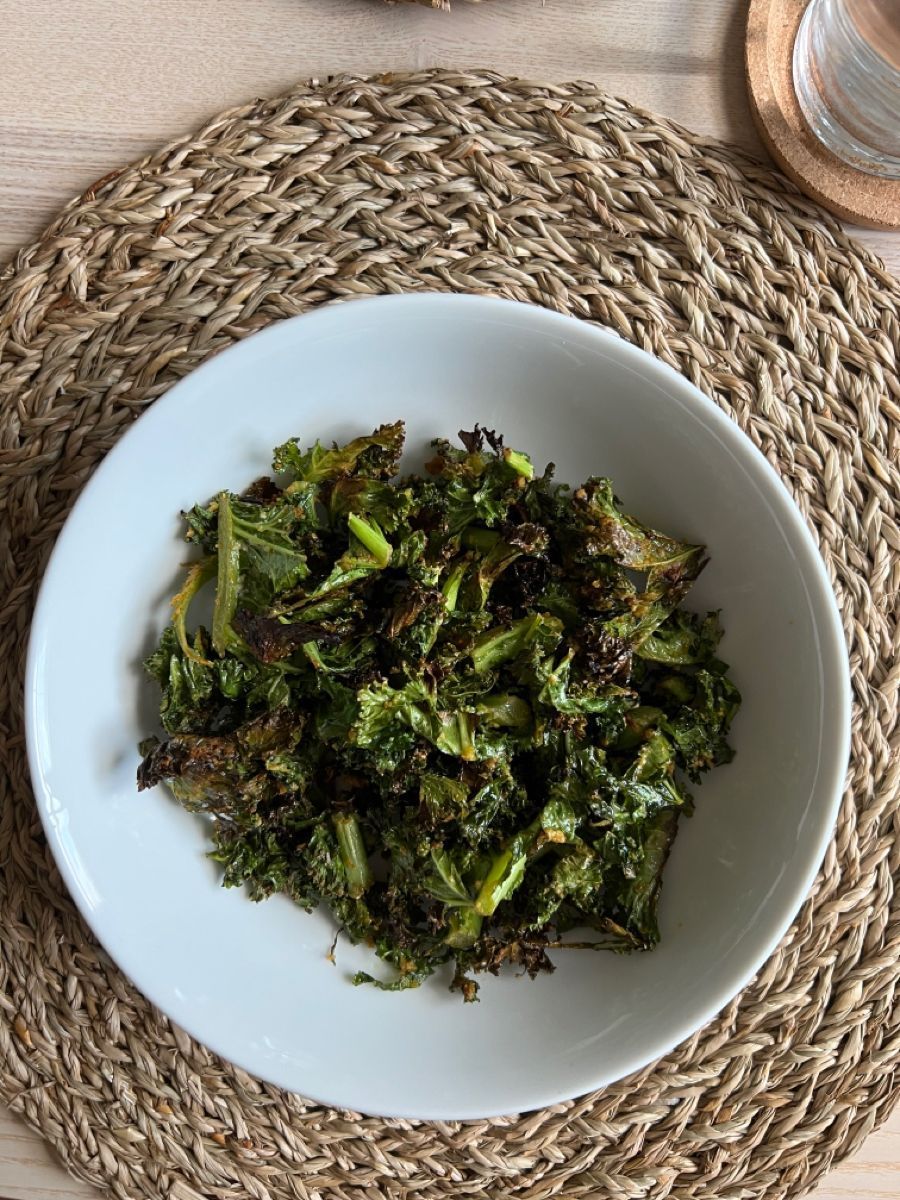
Spinach, kale, chard, and arugula are true allies against inflammation. They’re rich in vitamins A, C, and K and in antioxidants that protect your cells and support the immune system.
A little trick I follow myself: eat your vegetables at the start of the meal, not as a side.
In particular, it’s important to eat them before your carbohydrates: that way they slow the absorption of sugars and reduce the glycemic spike. And a smaller glycemic spike means less inflammation (more on that below).
Berries and blueberries
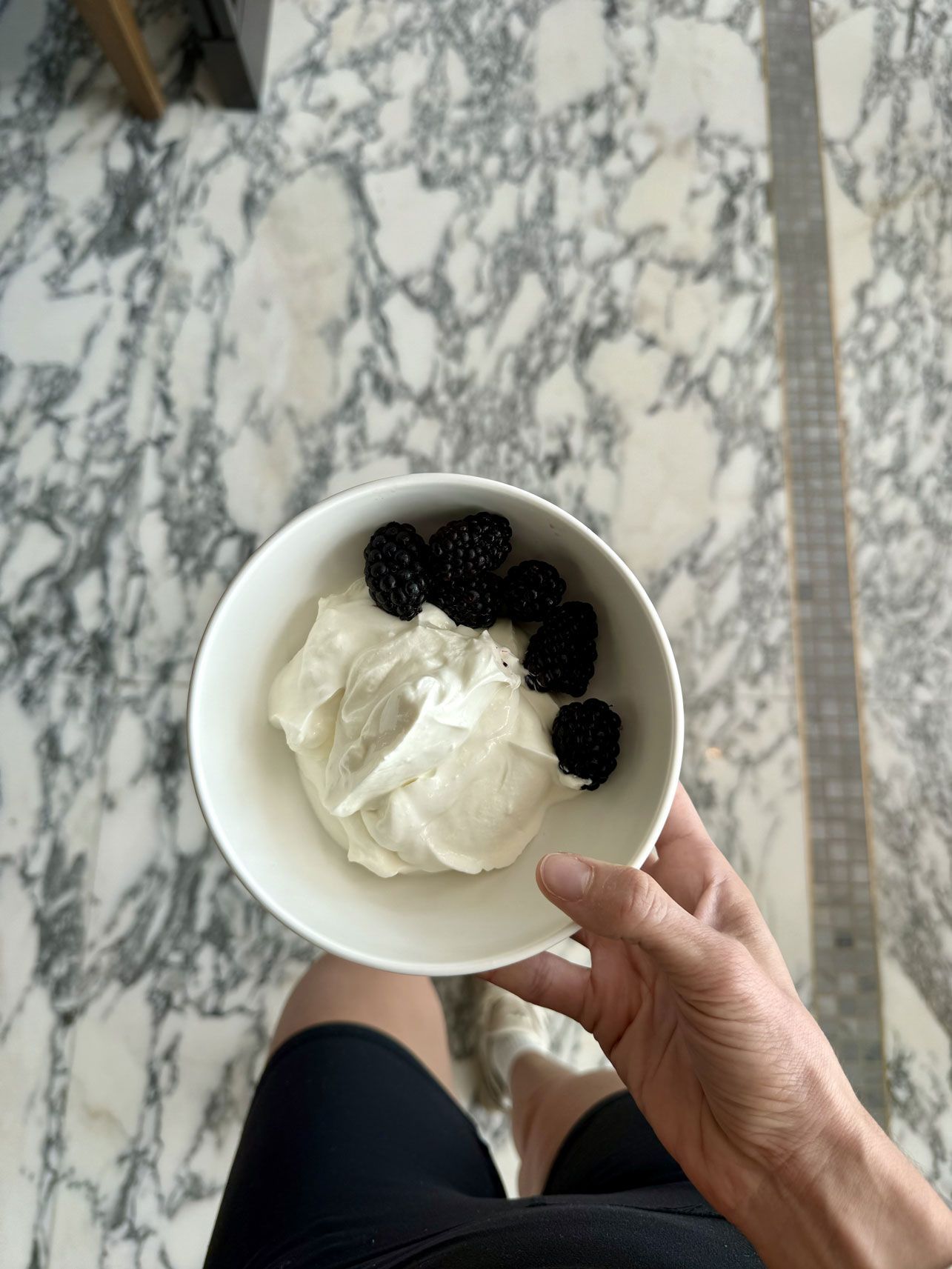
Blueberries, raspberries, blackberries, and strawberries are rich in antioxidants called anthocyanins, the same substances that give them that intense color. They help counter inflammation and are protective for the gut, too.
How to add them: at breakfast in plain Greek yogurt, or simply as a snack with a few walnuts.
Turmeric and ginger
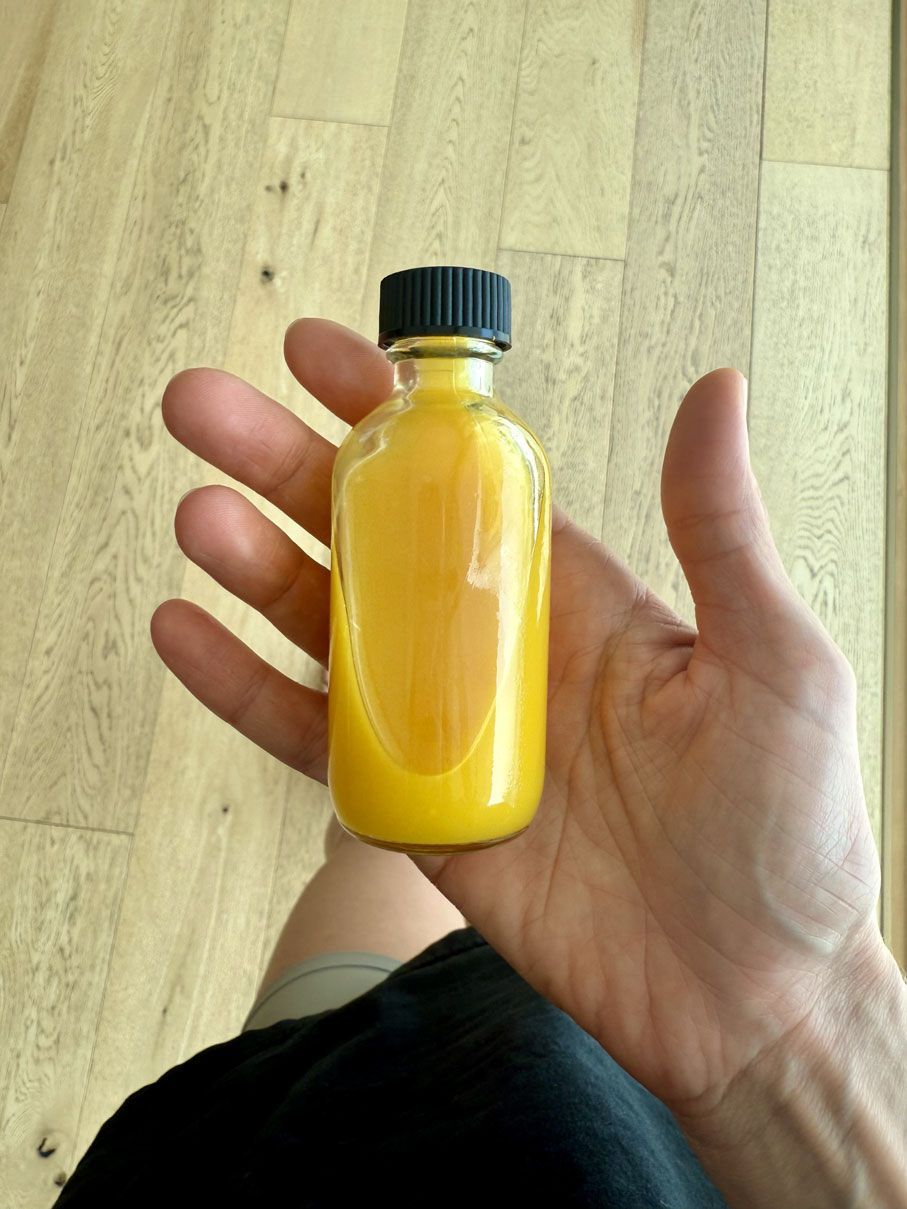
Turmeric is one of the most powerful anti-inflammatory spices of all, thanks to a substance called curcumin. Ginger, besides being an excellent antioxidant, helps digestion.
But there’s a small detail almost nobody knows: curcumin on its own is absorbed very poorly by our body. To make it truly effective, pair it with a pinch of black pepper: the piperine in pepper dramatically increases its absorption.
For years I’ve been making little turmeric, lemon, ginger, and pepper shots that are an absolute powerhouse. You’ll find the recipe here.
If in winter you’d rather have something warm, a classic is golden milk: milk (plant-based works too, like soy or almond) warmed with turmeric, ginger, a pinch of black pepper, and, if you like, a little cinnamon. Perfect in the evening before bed.
A quick aside on plant milk: personally I prefer soy and almond over oat, because oat milk has a much higher glycemic index.
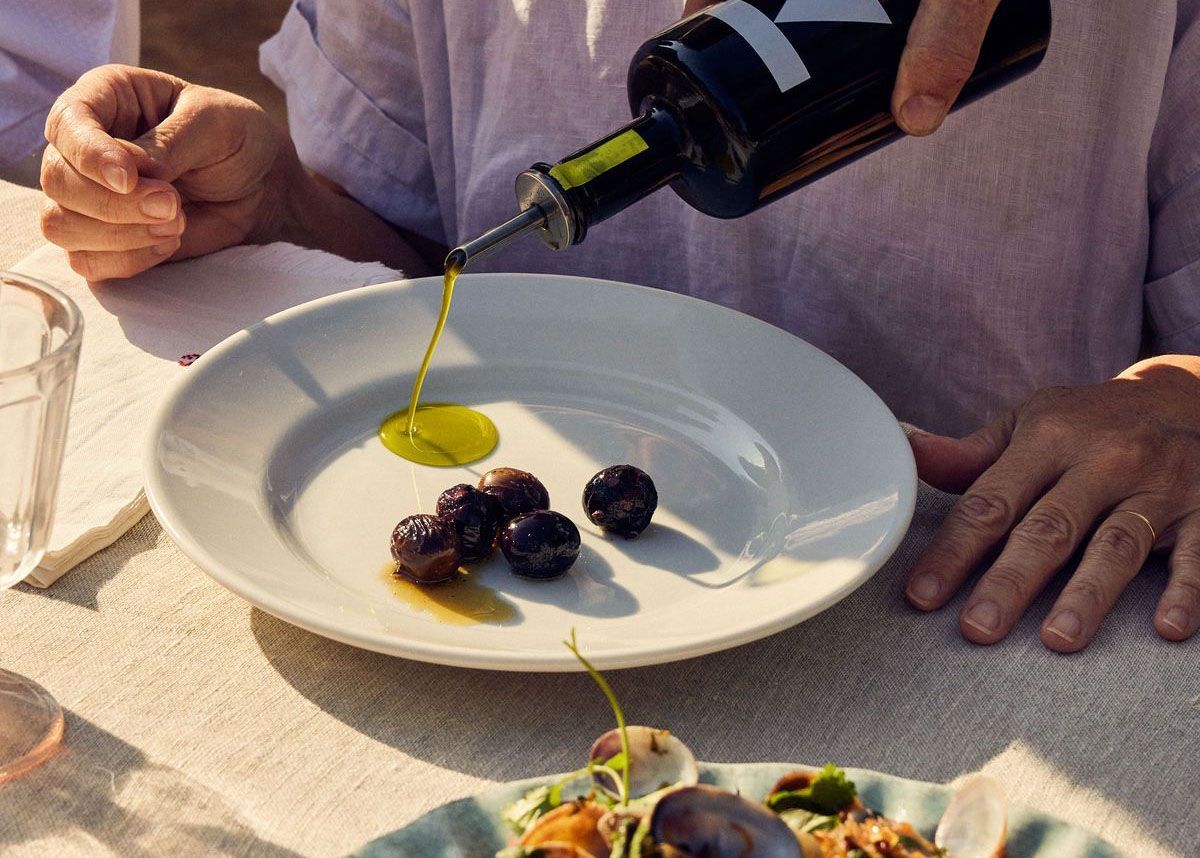
Extra virgin olive oil, raw
Extra virgin olive oil is one of the most anti-inflammatory fats in existence, thanks to the polyphenols it contains.
But there are two “buts”:
- it should be used raw
- it has to be real extra virgin olive oil
Unfortunately, many olive oils are counterfeit: they’re not pure olive oils, but blends of olive oil and seed oils sold as olive oil.
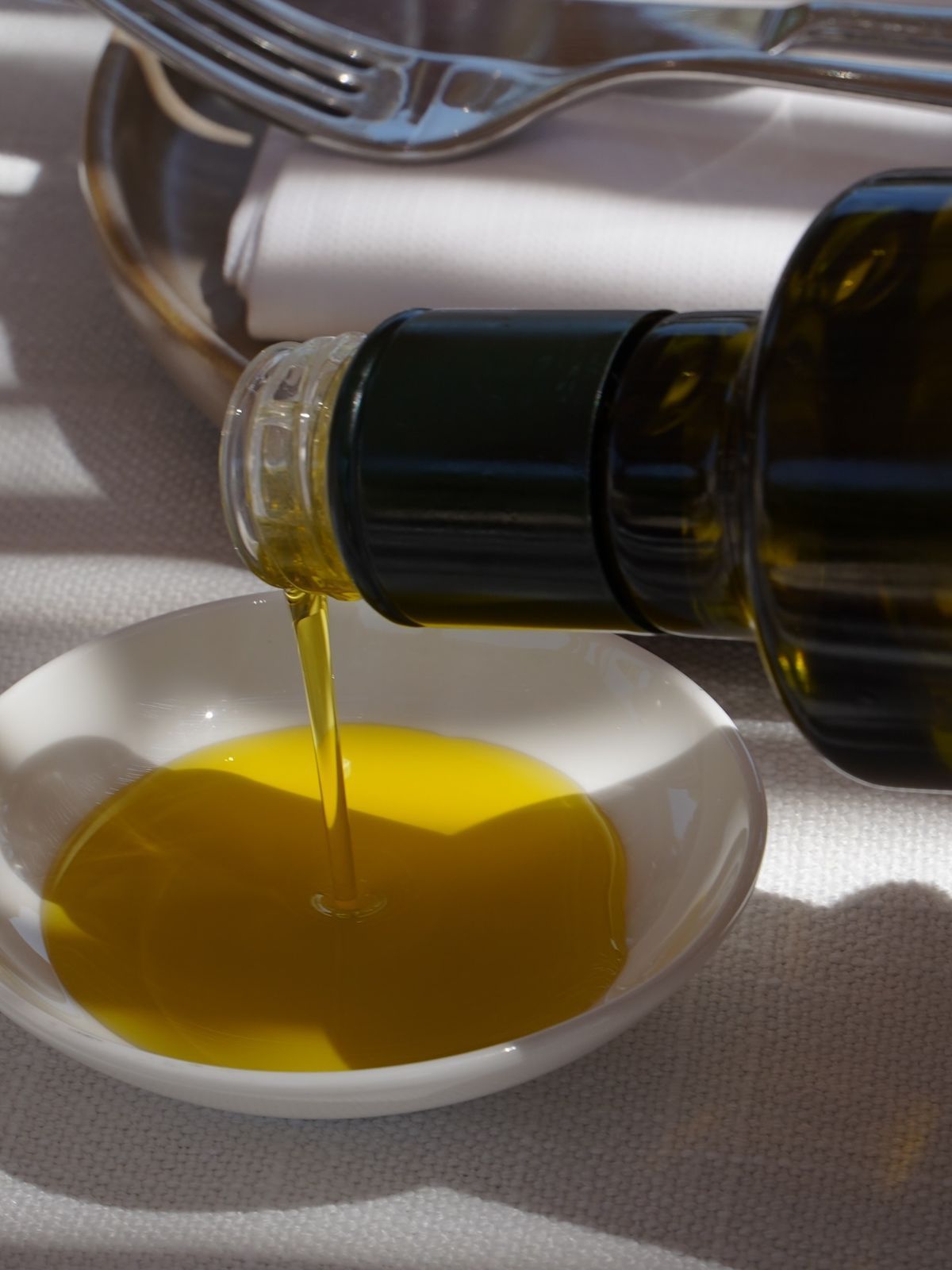
If there’s one food worth investing a little more in, it’s olive oil.
As for cooking, polyphenols and good fats degrade at high heat, so the ideal is to use EVOO to dress food raw, not to fry.
The other allies
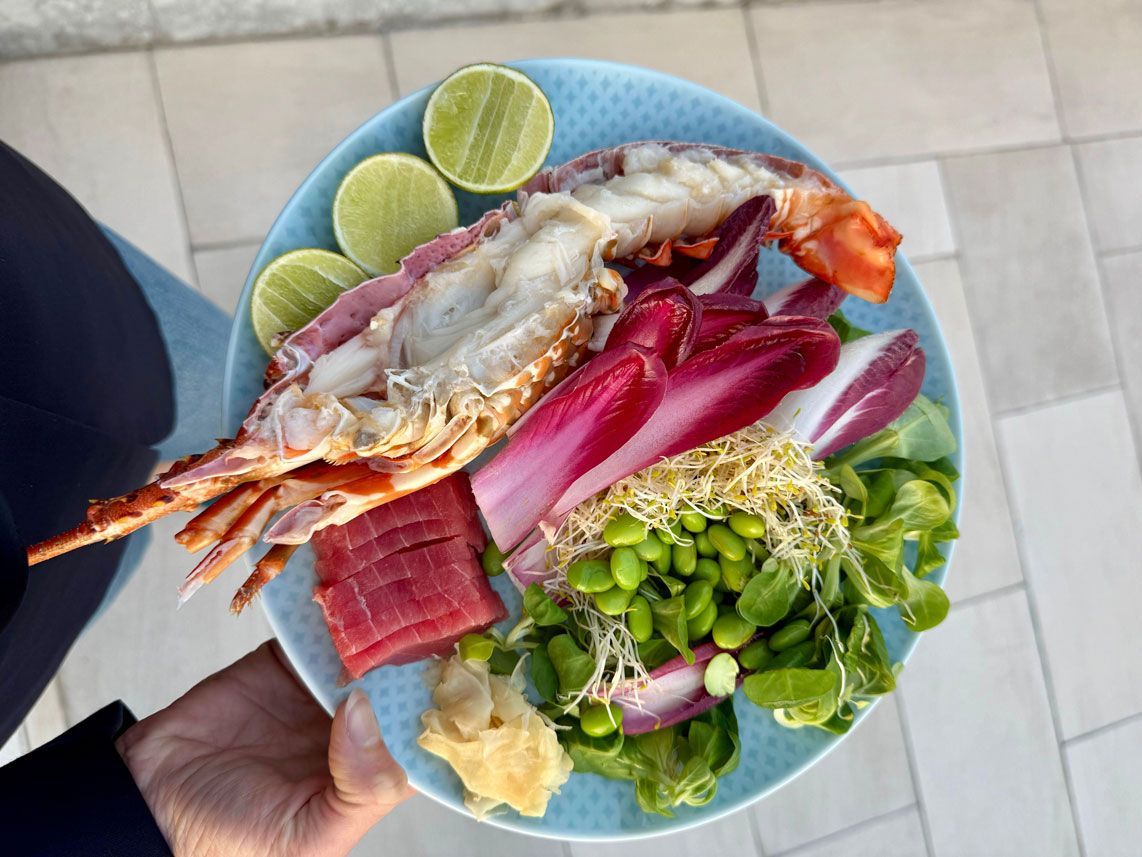
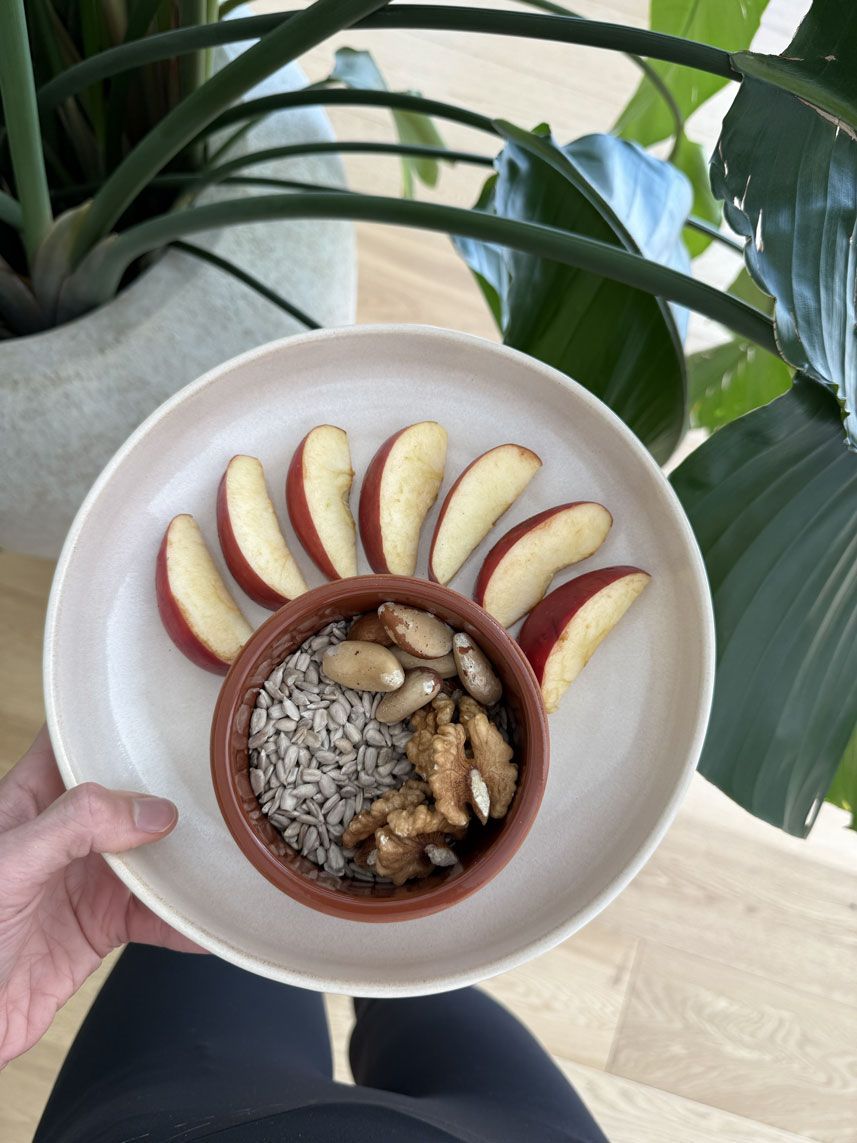
Beyond these, there are many other foods that help reduce inflammation and improve circulation and lymphatic drainage: citrus fruits, beets, radicchio, garlic, broccoli, pumpkin seeds, nuts.
They’re all antioxidant-rich, simple foods you can easily find at the supermarket.
The foods that inflame
Bringing in the right foods is half the job. The other half is reducing the ones that feed inflammation.
This isn’t about demonizing certain foods. It’s about choosing consciously, knowing how you’re nourishing your body.
Here are the foods to watch out for most, and the ones I personally avoid as much as possible:
-
Industrial seed oils and ultra-processed foods
As we said, they’re rich in omega-6 and often oxidized. They’re among the biggest culprits of modern inflammation. And unfortunately, they hide in a huge number of packaged products.
This is one of the main reasons why, in the second week of my Lymphatic Drainage Pilates, you'll find the tip to “reduce processed foods as much as possible.” Choose natural foods, and for seasoning prefer EVOO, apple cider vinegar, mustard, salt, pepper, and spices.
-
White sugar and added sugars
They cause continuous glycemic spikes, and every spike is a small inflammatory trigger.
This doesn’t mean giving up sweets forever. It means not eating sweets on a daily basis (or, even worse, several times a day). Day to day, choose sweet alternatives with a low glycemic index, like fruit, dates (despite their high sugar content, they’re very rich in fiber, which lowers their glycemic index), and dark chocolate (choose chocolate with at least 80% cocoa).
One dessert a week won’t make you gain weight and won’t create inflammation.
What matters are the choices you make every day.
-
Processed foods disguised as “healthy”
This one is especially close to my heart, because I fell for it for half my life.
Back to my story of when I was vegetarian and ate veggie burgers thinking they were healthy. Or protein bars, thinking they were healthy. A product isn’t healthy just because the label says “vegan,” “gluten free,” or “high protein.” A huge number of these products are ultra-processed exactly like the others.
Learn to read labels: if the ingredient list is endless and full of words you don’t recognize, it’s probably not the best choice.
-
Processed meat and cold cuts
We’re Italian, and prosciutto crudo is practically family. I know, they’re convenient and delicious. But cured meats shouldn’t be eaten daily.
Short on time? Grab thin chicken slices and throw them on a grill or in a pan.
Prep time: literally two minutes. And your body will thank you.Here too, prosciutto once in a while is not a problem, but it shouldn’t be the daily norm.
-
Alcohol
I know this is a sore point. Personally I’ve never loved drinking alcohol, so I’m not the best example, but I know that for many people a glass of wine or a Spritz makes the difference between a pleasant evening and a slightly dull one.
But alcohol, even in small quantities, is pro-inflammatory. If you truly enjoy it, total abstinence isn’t required, but cutting back helps enormously.
Reducing alcohol is another of the pillars of Lymphatic Drainage Pilates.
-
Zero-fat products and fizzy drinks like Coca-Cola Zero and the like
Zero-fat products often contain more artificial ingredients and more sugars than their “whole” siblings. That’s because, to make them as tasty as the whole versions, companies add additives and fillers.
Simply put: they're often worse than whole products. Take yogurt, for example: a 0.1% fat fruit yogurt has a much worse glycemic index and ingredient list than a full-fat plain Greek yogurt with chopped fresh fruit. Plus, the latter keeps you feeling much more full and for much longer.
Ultimately, when you choose higher-calorie whole foods, you end up eating less of them than when you choose diet, 0% fat foods.
A small note on food quality: when you can, choose better raw ingredients.
Eggs from free-range or pasture-raised hens, for example, have a different nutritional profile from caged-hen eggs.
Buy your fruit and vegetables at the market or from a farmer you know. If you buy them at the supermarket, choose organic when possible. And always remember to wash them well with a pinch of baking soda. When I think back to when I was little and ate strawberries without ever washing them, I shudder. Don’t make the same mistake.
Smart swaps to make today
Let’s get practical and look at the swaps you can make today to reduce inflammation.
We’re not talking about giving things up. We’re talking about choosing better.
- Processed meat and cold cuts → fresh grilled chicken
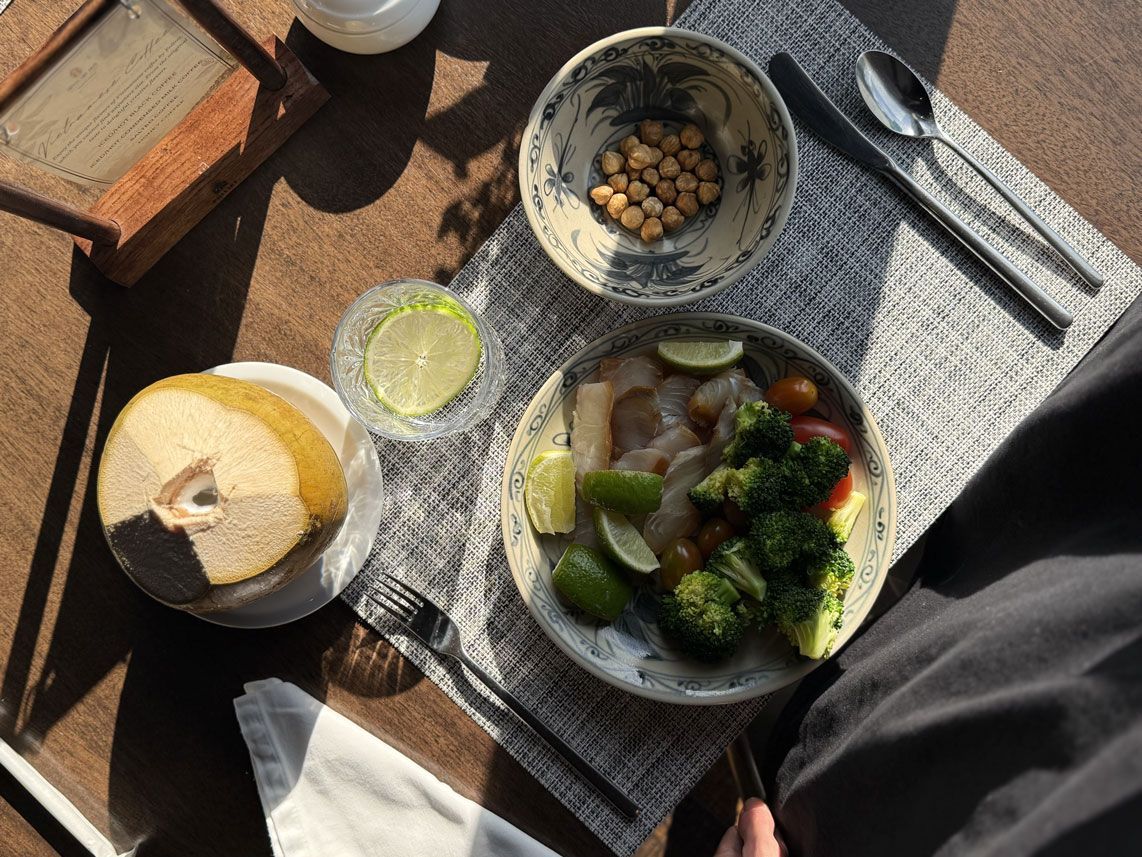
- Canned tuna → fresh steamed white fish
- Packaged white bread → sourdough or buckwheat bread
- Seed oils → extra virgin olive oil, raw
- White sugar → a touch of honey
- Fruit juice → a whole orange
- Protein bars → nuts or whole Greek yogurt
- Sweetened fruit yogurt → plain natural yogurt
- Coca-Cola Zero → water with lemon
- Packaged sauces → spices and herbs for flavor
Small swaps, big difference.
It’s not just about food
As powerful as nutrition is, it’s not the only factor.
Chronic inflammation has other causes too, like a sedentary lifestyle, poor and disturbed sleep, and constant stress.
That’s why my Lymphatic Drainage Pilates is not just a workout, but a true lifestyle: drinking at least 2 liters of water a day, reducing processed foods and alcohol, trying intermittent fasting… they’re all part of Lymphatic Drainage Pilates.
And thanks to this combination of specific training, drainage, and anti-inflammatory habits, my Lymphatic Drainage Pilates is one of the best protocols for working on inflammation.
After a few weeks you realize you’re starting to drain excess fluid, your deep circulation has improved, and in general you feel, and see, yourself doing much better.
Where to start
If you’d like to start my Lymphatic Drainage Pilates, I’d recommend one of these Journeys:
- Lymphatic Drainage Pilates Beginners (2 months): ideal if you’ve never done Pilates.
- Lymphatic Drainage Pilates(6 months): the complete Journey to tone, drain, and debloat.
- Lymphatic Drainage Pilates Express (just 15 minutes a day): perfect if you’re short on time.
Try Traininpink free for 7 days and start taking care of yourself, inside and out.
Frequently asked questions
How long before I see the benefits of anti-inflammatory eating?
It depends on your starting point, but many women notice less bloating, more energy, and a sense of lightness after just 2-3 weeks. The deeper changes, like brighter skin, less water retention, and improved cellulite, take months of consistency. It’s not a crash diet: it’s a lifestyle that works because you maintain it over time.
Do I have to completely eliminate sugar, industrial products, and alcohol?
No. The goal isn’t total elimination, but balance. Anti-inflammatory eating is made of daily choices, not rigid bans you abandon after two weeks. Treat yourself to what you want every now and then, but make the “anti-inflammatory” version your normal.
Does anti-inflammatory eating make you lose weight?
It’s not a weight-loss diet, and it shouldn’t be treated as one. If you’re not in a caloric deficit, you won’t lose weight, even on an anti-inflammatory diet. That said, reducing inflammation often also means less water retention, less bloating, and a body that works better, so it’s normal to feel more debloated and lighter.
Do I need omega-3 or turmeric supplements?
My rule is: food first, then supplements if you truly can’t meet your needs through food. For example, if you’re vegan, it might make sense to supplement omega-3s with a microalgae-based product. If instead you eat fatty fish 2-3 times a week, it’s not necessary.
In short
Inflammation is a natural process of the body and, when acute, it protects you.
When it becomes chronic, it wears your body down and is often the cause of water retention, cellulite, abdominal bloating, dull skin, and tiredness.
Three things to remember:
Try to choose anti-inflammatory foods daily, like omega-3-rich fish, leafy greens, berries, turmeric and ginger, and raw EVOO.
Reduce what inflames your body, especially industrial seed oils, ultra-processed foods (even the “healthy” ones), added sugars and white sugar, cured meats, and alcohol.
No drastic sacrifices needed: smart swaps, repeated every day, are enough. The difference comes from your daily choices, not from what you eat once in a while.
Carlotta's insights, straight to your inbox
Just your name and email, unsubscribe anytime.