4 "healthy" habits that are actually inflaming you (and what to replace them with)
Eating healthy but still bloated and tired? I was there too. 4 "healthy" habits that were quietly inflaming me, here's what I changed.

Do you often feel bloated and weighed down even though you eat “healthy”?
A belly that blows up like a balloon the moment you eat something, tiredness that never lifts, a short fuse, and maybe trouble losing weight even with the right diet and the right amount of movement?
Chances are, some of your “healthy” habits are actually inflaming your body.
I can tell you this because I’ve been there myself.
For years I did the exact opposite of what would have helped my body, convinced I was eating well. And without understanding what was happening.
I tried them all.
And I mean it: ALL of them.
- First came the “everything low-fat and 0%” phase: 0% yogurt, light cheeses, sweeteners everywhere instead of sugar, convinced that “less fat = better.”
- Then vegetarian for two years (for a few months I even tried going vegan).
- Then obsessed with protein, with protein bars and protein powders everywhere.
- And finally “you can’t lose weight if you don’t count calories”: I weighed every single gram, and then when I went out (and I went out often) I’d stuff myself.
And I always felt bloated, tired, inflamed.
I had frequent, debilitating migraines, pounding temples, anxiety almost every day. On top of, of course, the “usual suspects”: legs with visible cellulite, a bloated belly, joint pain, terrible discomfort before my period.

Only a few years ago did I start studying and finally understand what anti-inflammatory eating really is.
4 habits are the ones that surprised me the most, and they’re what I want to talk to you about today.
Let’s start with something important.
Inflammation isn’t always the enemy
Inflammation isn’t always the enemy. It’s the body’s natural response when it needs to protect or repair itself: a sprained ankle, a little cut in the kitchen, the flu. In those cases, inflammation is exactly what allows the body to heal.
The problem is when it becomes chronic.
When the body sits in a constant, low-grade state of inflammation that never switches off.
And that’s where things change: cellulite, bloating, tiredness, stagnation. That sense of “I never feel truly well” that you can’t explain, even though you’re doing everything right.
And that’s where anti-inflammatory eating comes in.
Why movement alone isn’t enough
Lymphatic Drainage Pilates works on inflammation through movement. It helps drain excess fluid, stimulates deep circulation, and supports the body’s natural elimination processes.
But movement isn’t everything.
If we want to maximize results, we also have to pay attention to our everyday habits.

Thinking that Lymphatic Drainage Pilates can fix habits that constantly inflame you would be like drying your hair while you’re still in the shower.
That's why my Lymphatic Drainage Pilates isn't just a workout: it also includes lifestyle tips. You’ll find them in every Journey, loaded on day 2 of each week.
In this article I want to walk you through 4 “healthy” habits that actually inflame the body, and tell you what I replaced them with. Every one of them is a mistake I made myself.
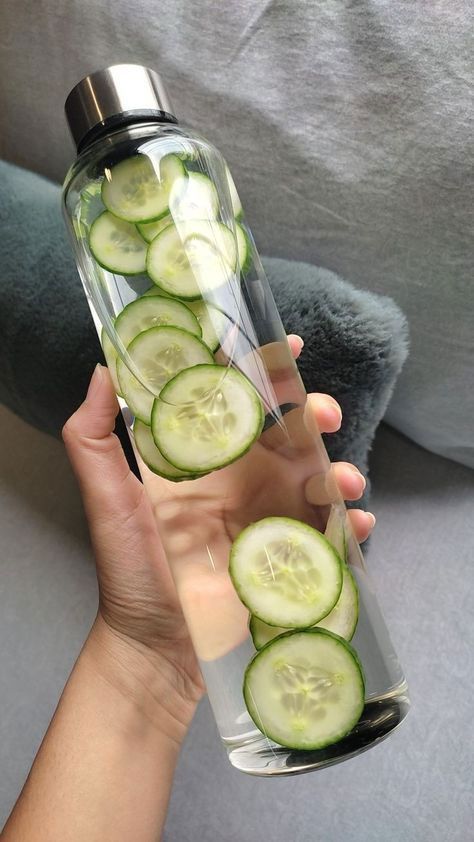
1. Drinking lots of water all at once → Drinking little and often
I know, I’ve told you a thousand times, and it’s the very first lifestyle tip in Lymphatic Drainage Pilates: drink 2 liters a day.
But the how matters as much as the how much.
If you drink half a liter all at once, your body can’t absorb it and eliminates it right away. It’s like emptying a bucket of water onto a dried-out plant: most of the water slides right off without really hydrating it.
Small, steady sips throughout the day truly hydrate the tissues and help the lymph circulate.
My rule: one half-liter bottle on my desk and one in the car.
I take small sips whenever it crosses my mind. No timers, no charts, no apps.
2. Vegetables as a side dish → Vegetables BEFORE everything else
This one was a revelation.
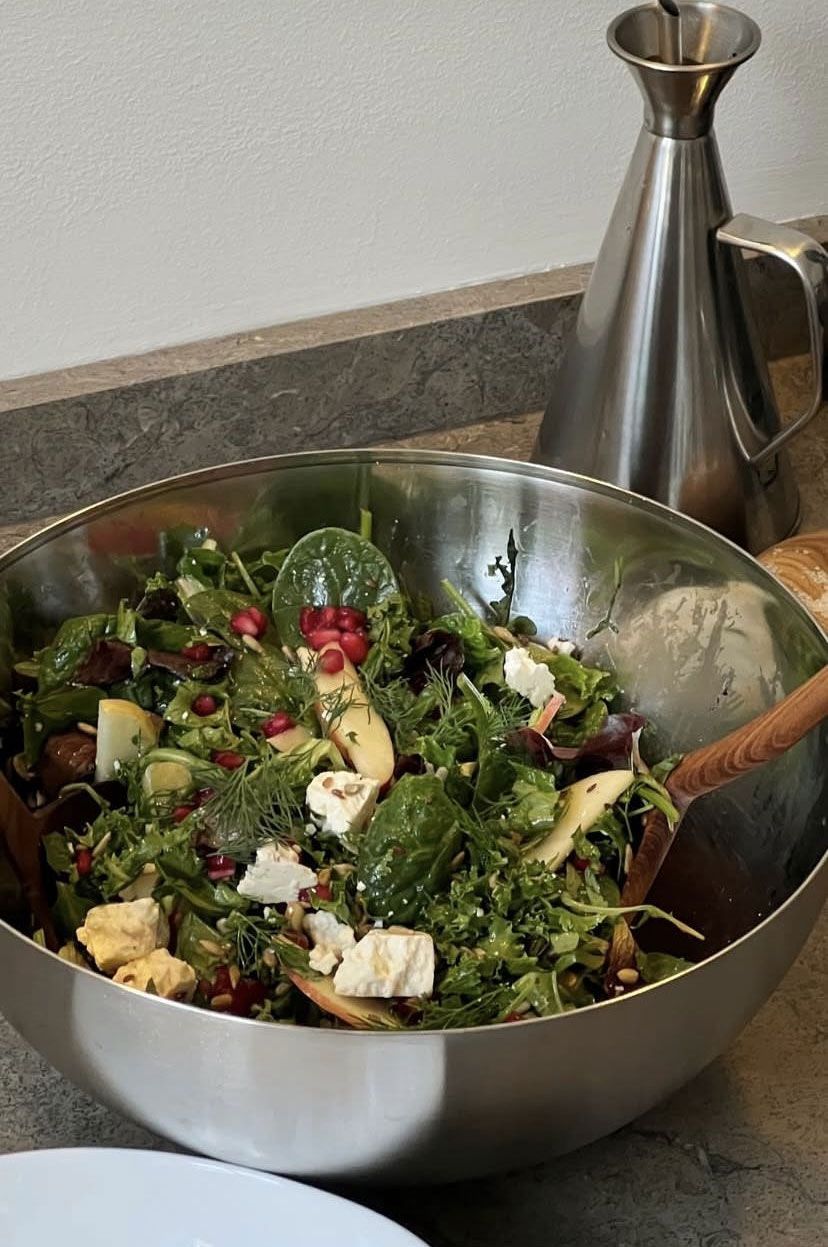
Eating your vegetables at the start of the meal (before carbohydrates and protein) slows down the absorption of sugars and reduces the glycemic spike.
Fewer spikes = less inflammation.
Same vegetables, different order, different result.
It works because the fiber in vegetables slows digestion and creates a sort of “net” in the intestine that cushions the arrival of carbohydrates. Glucose enters the bloodstream more slowly, insulin doesn’t have to make a violent “jump” to manage it, and the body stays in a more stable state.
This matters even more if, like me, you’re insulin resistant (I found out about 4 years ago; I talk about it more in the final section of this article).
A practical note: you don’t have to eat them “separately” as their own course. Just start with a few forkfuls of salad, cooked vegetables, or a side salad before moving on to the rest of your meal.
3. Ultra-processed vegan products → Legumes, tofu, tempeh
Here I have to tell you my story.
From 2018 to 2020 I was vegetarian. The choice was purely ethical.
But I ran into two problems.
First: I didn’t know how to cook things like tofu, tempeh, and legumes in a way that tasted good.
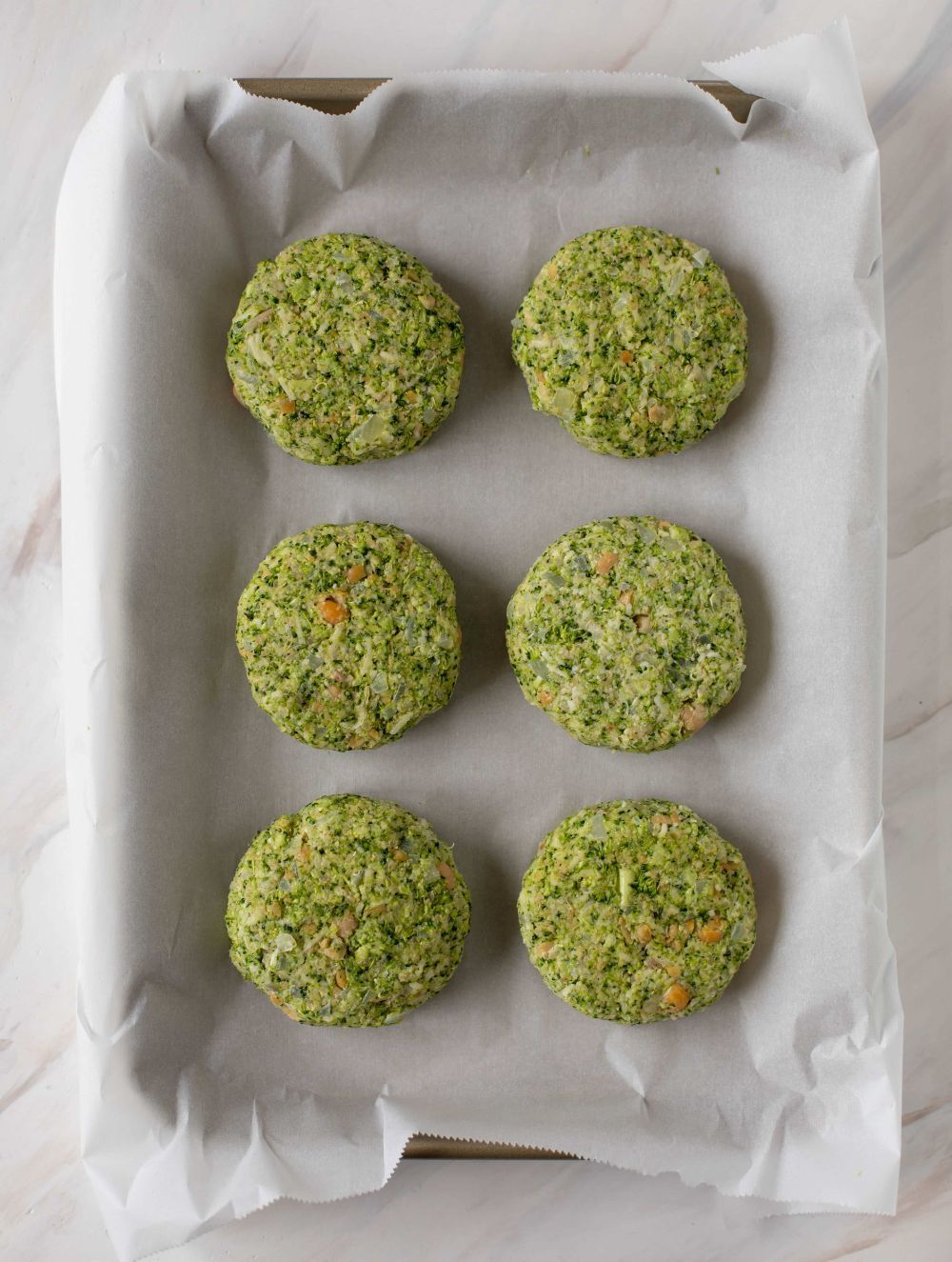
So I often fell back, both for convenience and for taste, on ultra-processed products like veggie burgers, fake nuggets, ready-made meatballs.
It doesn’t matter if they’re vegan: if they’re ultra-processed, they create inflammation. And they often use industrial seed oils (refined sunflower, corn, soy) that increase it even more.
Second: I wasn’t monitoring my micronutrients, and I was becoming severely deficient in iron, copper, and zinc.
Symptoms that translated into chronic tiredness, hair falling out, poor concentration; and I couldn’t figure out what was causing it.
By this I’m not saying you should NOT be vegetarian or vegan. Quite the opposite: I think plant proteins should be part of everyone’s diet. They’re clean, rich in fiber, gentle on the digestive system.
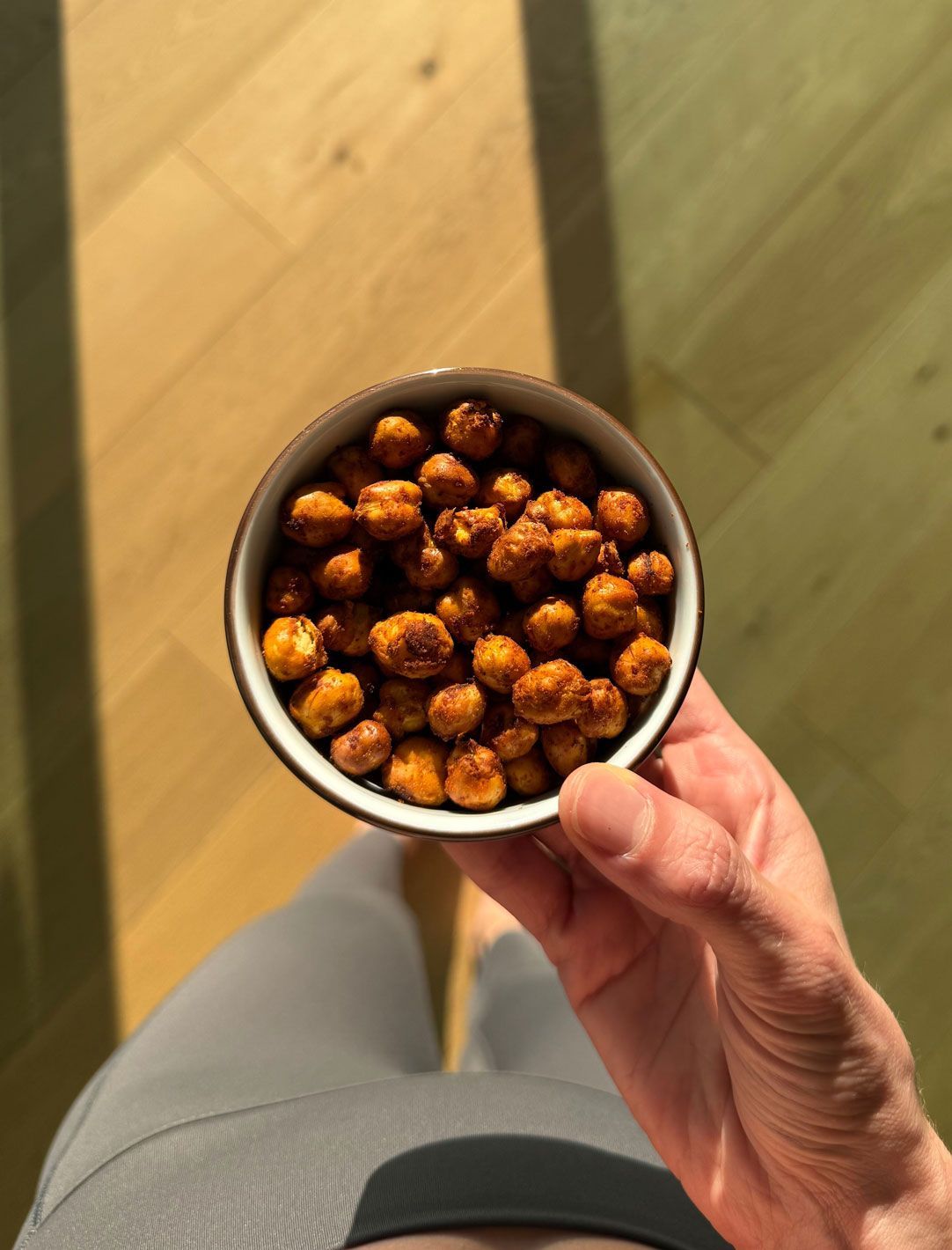
But if you’re vegetarian or vegan, take an honest look at what you eat and try to replace ultra-processed foods with natural ones: legumes (lentils, chickpeas, beans), real tofu (not tofu burgers), tempeh, edamame, homemade hummus, seeds, and nuts.
And get blood work done once a year, especially iron, ferritin, vitamin B12, and zinc. It’s always worth knowing.
4. “Protein” products as snacks → Simple, natural snacks
After the vegetarian phase, in 2020 I moved on to the “if it’s high-protein, it must be fine” phase.
And here, too, for convenience and taste, I overdid it with protein bars, protein pancake mixes, and protein powders.
The result? Inflammation and abdominal bloating.
My rule now: “protein” products aren’t always superior to the “normal” options. Better a natural food with less protein than an excessively processed one.
Protein bars are ultra-processed. Protein pancakes are ultra-processed.
Even “protein powders” can contain additives, artificial sweeteners, preservatives.
And on top of that: excess protein still makes you gain weight and taxes your organs (the liver and kidneys in particular). The general rule is around 1.5-2g per kg of body weight, but the most important thing is that every meal includes a natural source of protein: eggs, fish, meat (if you eat it), legumes, cheese, real yogurt.
Don’t ask me how much protein I eat. I stopped calculating it in 2022. I just make sure that every one of my meals includes a source of protein.
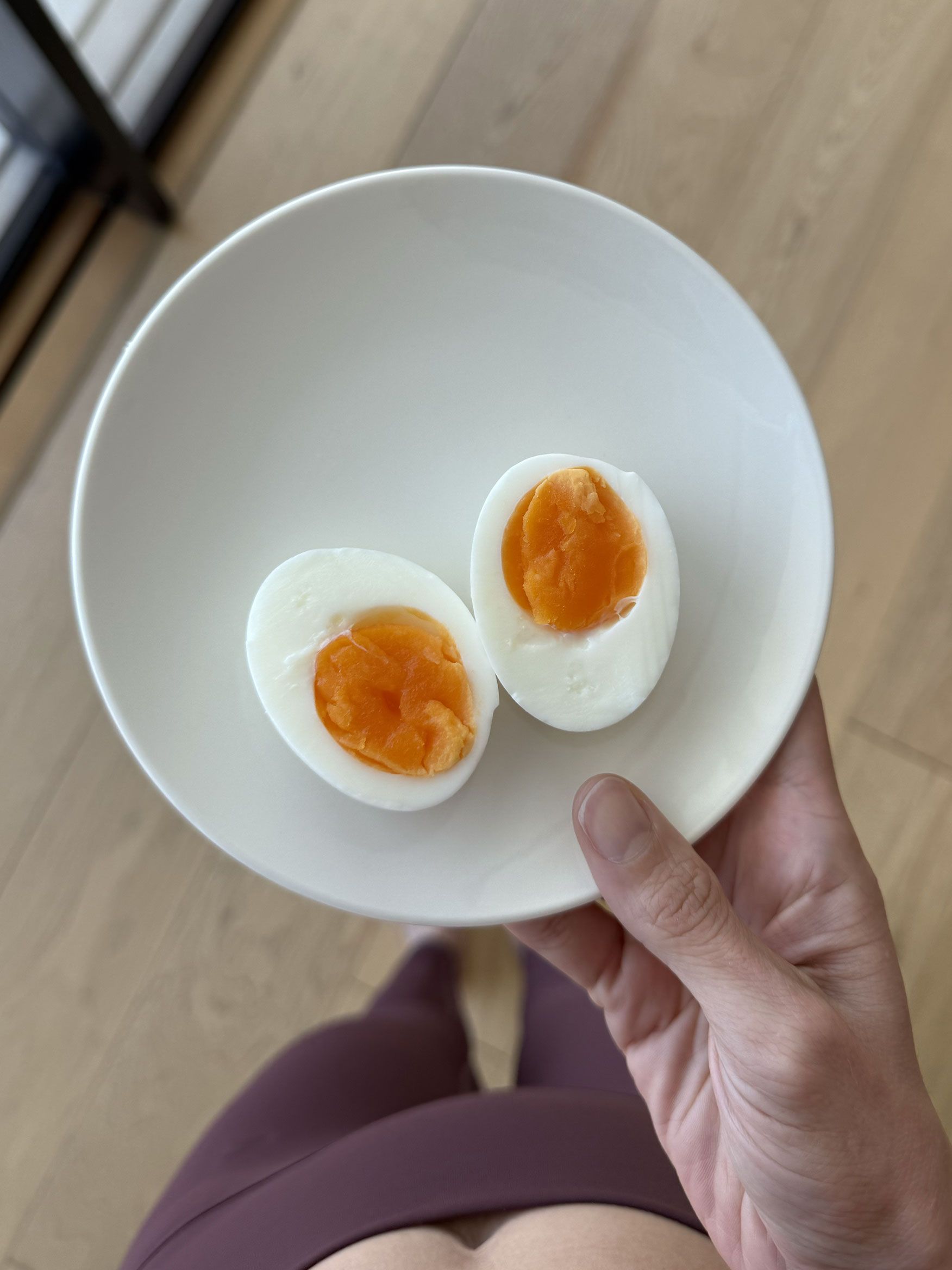
And I eat fewer bars, more almonds. Fewer protein pancakes, more Greek yogurt with berries. Less protein powder, more eggs.
The underlying rule: less processed, more natural
If you take just one thing home from this article, let it be this.
Telling processed foods from natural ones isn’t always easy. Especially because we live in a world where 99% of foods are processed (sadly!).
A simple rule: if a product has an endless ingredient list full of things your grandmother wouldn’t recognize, it’s probably inflammatory.
And I’m not saying that a store-bought cookie or a packaged ice cream will ruin your life or your body or make your belly explode. That’s not how it works.
If it’s occasional, enjoy it. I treat myself to something sweet every now and then, too.
But if what you eat every single day is ultra-processed, your body is in constant “inflammation mode.”
The simpler the foods you eat, the less work your body has to do to process them.
The more you choose foods that exist in nature, like fruit, vegetables, legumes, whole grains, meat, fish, eggs, olive oil, the more your body calms its inflammation and regenerates.
It’s not a diet. It’s a lifestyle (which, if you think about it, isn’t so far from the one people lived 200 years ago, when there was less, but maybe better).
When habits aren’t enough: chronic inflammation is a medical issue
The 4 habits I’ve told you about are the starting point for anyone who wants to lower their baseline inflammation. For most of us, a few weeks of these changes already make a difference in bloating, energy, and that sense of heaviness.
But if you feel something isn’t adding up, if symptoms persist or even get worse, it’s time to see a doctor.
Some specific signals not to ignore:
- Constant abdominal bloating, even on an empty stomach
- Chronic tiredness that sleep doesn’t fix
- Menstrual cycles that are always irregular, very painful, or very heavy
- Persistent acne
- Difficulty losing weight even with proper nutrition and physical activity
- Brain fog and trouble concentrating
- Joint pain or morning stiffness
Behind these symptoms there can be conditions that need to be diagnosed by a doctor.
The most common ones in women are:
- Polycystic ovary syndrome (PCOS). And I speak from experience: my story starts here. I received a PCOS diagnosis years ago, but I completely ignored it. Until I started to feel really unwell. I went to the doctor, ran several tests, and then discovered that behind the PCOS there was also insulin resistance (the two conditions are strongly linked: insulin resistance is often the metabolic cause that fuels PCOS, and vice versa). From that moment on, I changed my approach to food and truly studied anti-inflammatory eating.
- Hashimoto’s thyroiditis: far more common than people think
- Endometriosis
- Undiagnosed food intolerances (lactose, non-celiac gluten sensitivity, histamine)
In all of these cases, getting the right tests (targeted blood work, pelvic ultrasounds, and so on) is the foundation for understanding where to truly start.
You’re not “wrong” for feeling that something isn’t adding up. You’re simply listening to your body. And that’s exactly what you should be doing.
Frequently asked questions
Do I have to eliminate processed foods completely?
No. The goal isn’t perfection, or deprivation. It’s proportion.
If 80-90% of what you eat is natural and minimally processed, the other 10-20% won’t ruin anything (and it’ll put a smile on your face).
The rule isn’t to deprive yourself; it’s to find a new balance by rediscovering the pleasure of simple, natural foods, which so often gets lost in today’s world.
How long does it take to feel the benefits of anti-inflammatory eating?
The first signs (less bloating, steadier energy, better sleep) show up within a couple of weeks. The more structural changes, like weight, cellulite, and clearer skin, take longer: generally 2-3 months.
Do frozen vegetables “count” as real vegetables?
Yes, absolutely. Frozen vegetables are often richer in nutrients than the “fresh” ones at the supermarket, because they’re frozen right after harvest.
Personally, I love them and eat them all the time. When you’re short on time, they’re a huge help.
The only thing to watch out for is that they’re “plain” vegetables, not grilled and without sauces or oils (always read the labels). You can season them yourself with olive oil, salt, herbs, spices, lemon, and vinegar (apple cider vinegar in particular can help with insulin resistance).
Can I drink coffee on an anti-inflammatory diet?
Yes. Coffee is a powerful anti-inflammatory thanks to its polyphenols, and it’s often recommended for longevity, too. The important thing is to drink it plain, without sugar or sweeteners. If you struggle with high cortisol, though, matcha (a Japanese green tea) would be a better choice.
Is alcohol inflammatory?
Yes. Even a single glass of wine a day increases systemic inflammation and taxes the liver.
Personally, I stopped drinking alcohol years ago (partly because I never particularly loved it).
Now, I’m not telling you to do the same and never drink; just to be aware of it.
Is there a specific “anti-inflammatory diet” to follow?
The most studied diet, with the strongest scientific backing, is the true Mediterranean diet (and we Italians should know it well!).
Plenty of vegetables, fruit, legumes, fish, extra virgin olive oil, whole grains.
Limited red meat, refined sugars, industrial dairy, margarine, and butter.
Start with just one habit
Don’t change everything tomorrow.
That would be like telling your mind “starting tomorrow, you’re a different person.” It doesn’t work. And after 5 days (sometimes even less), you’re back to your old habits.
Start with just one habit out of the 4. The one that feels easiest. The one that scares you the least.
For me it was drinking little and often. For someone else it might be eating vegetables at the start of the meal, or giving up protein bars.
After 2-3 weeks, once that habit feels natural, add the second one. And so on.
Little by little. No rush, no need to do everything perfectly “or it doesn’t count.”
And if you’d like a complete Journey to guide you through the change (not just the workouts, but also lifestyle tips that help you reduce inflammation), try my Lymphatic Drainage Pilates. Every week, on day 2, I load a specific lifestyle tip for you to add to what you learned the week before.
Find the Lymphatic Drainage Pilates Journey that's right for you
Carlotta's insights, straight to your inbox
Just your name and email, unsubscribe anytime.