What fermented foods do for your gut and which 8 to choose
Not all fermented foods help your gut and some can make bloating worse. These 8 actually work. How to choose them, how much to eat, and how to start.

You’ve probably already heard that fermented foods are “good for your gut.” It’s one of those phrases repeated everywhere, but almost nobody really explains what they do. Nor which ones to choose, nor how to work them into your diet.
In this article I’ll answer all of these questions.
Let’s start with the basics: the gut is called our “second brain,” and it’s the foundation of our wellbeing.
When it works well, you feel lighter, you digest better, you have more energy, and you’re happier. When it’s out of balance (the condition called “dysbiosis”), along come bloating, heaviness, tiredness, dull skin, anxiety, and depression (people who suffer from depression and anxiety often have an altered microbiota composition).
But that’s not all. The gut is closely tied to inflammation.
That’s because the gut is the main filter between the outside world (food, bacteria, toxins) and the blood: when this barrier works, inflammation stays low.
When the barrier breaks down and the gut is out of balance (because of stress, a low-fiber diet, too many medications or too much alcohol), bacterial molecules reach the bloodstream and lead to chronic systemic inflammation (low-grade but constant).
Many of these factors, like stress, a low-fiber diet, and alcohol, are everyday habits we don’t give any weight to: I talked about them in the article on the 4 “healthy” habits that are actually inflaming you
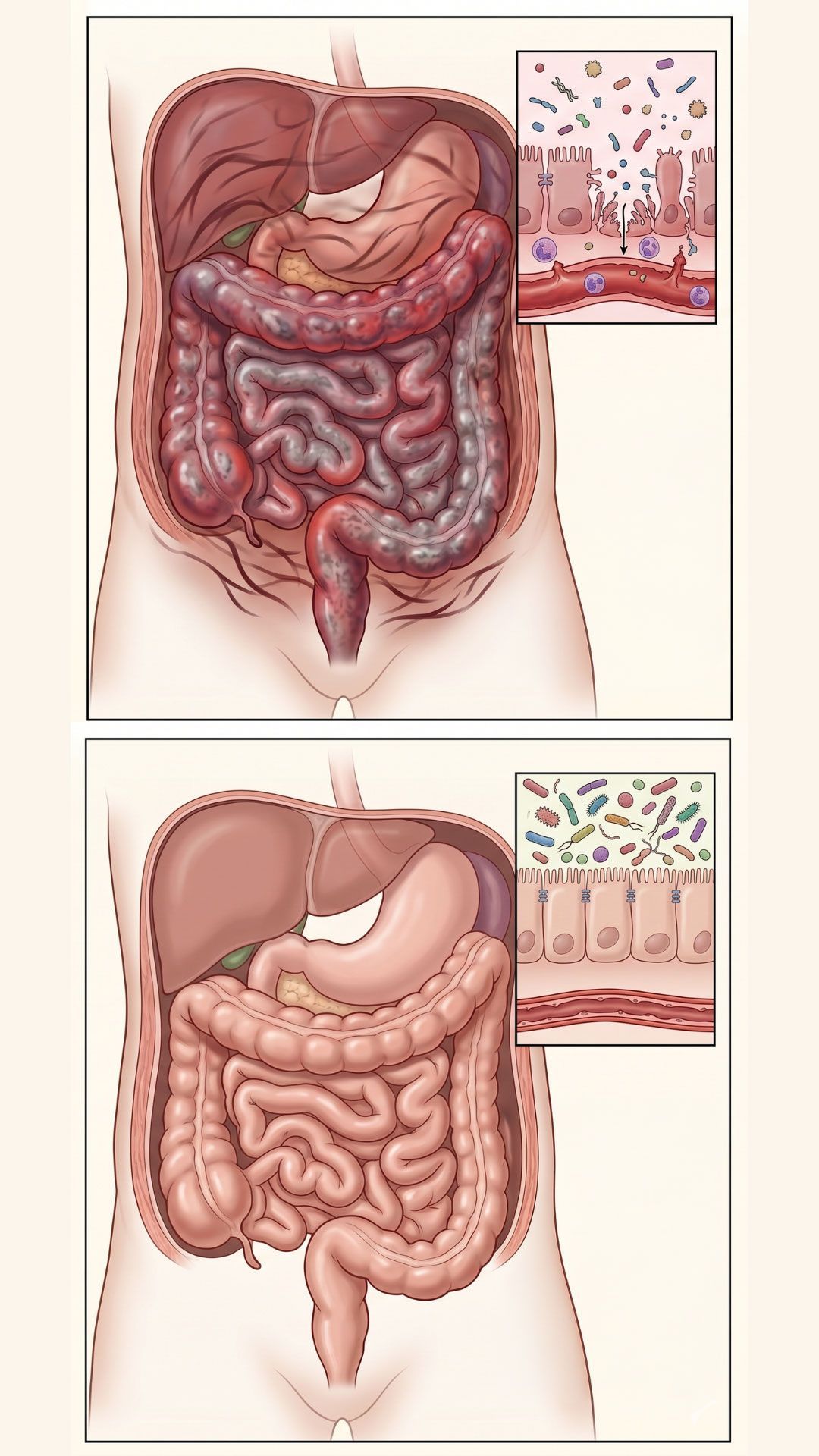
This gut-derived inflammation is now considered the common denominator of many modern chronic diseases: from metabolic ones (like diabetes) to autoimmune ones (like Hashimoto’s thyroiditis), from neuropsychiatric ones (like depression) to accelerated aging.
And this is where fermented foods come in: they seem like a trend of the last few years (they’re like parsley now, you see them everywhere), but they’re actually one of the best tools for nourishing your gut and keeping inflammation low.
Our grandmothers had them on the table every day without knowing it: sourdough bread, pickles, aged cheese, vinegar.
What fermented foods are
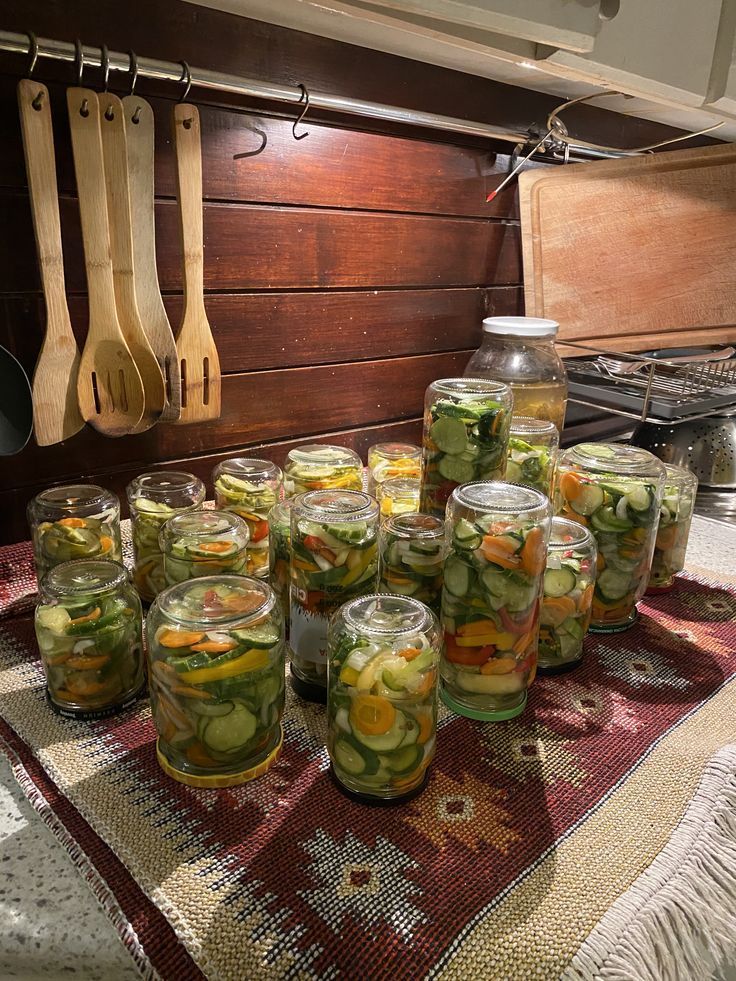
Fermentation is one of the oldest preservation methods in the world. Before refrigerators existed, fermenting was one of the ways food was preserved.
But how does fermentation work?
Think of yogurt.
You know it’s a milk product.
And do you know how milk turns into yogurt? Through a process of fermentation.
The same goes for grapes and wine.
And for water, flour, and bread.
In practice, fermented foods are foods in which “good” microorganisms like bacteria and yeasts transform the sugars and starches present in the food into other substances: acids (like lactic acid), enzymes, gases, and sometimes alcohol.
Fermentation has two advantages:
As we’ve seen, it lets you preserve food naturally.
It enriches the food: it often makes it more digestible, richer in certain vitamins and, in some cases, full of living microorganisms that are good for our gut. These microorganisms are called probiotics; I’m sure you’ve heard of them.
Probiotics and prebiotics
They’re two words you hear often and easily confuse. Let me explain them simply.
Probiotics are the living, good microorganisms (bacteria and yeasts) that colonize your gut and help it work well. You find them in fermented foods with live cultures, like yogurt, kefir, kimchi, and fresh sauerkraut.
Prebiotics are the food for the good bacteria: they’re special fibers that we don’t digest, but that nourish the good bacteria in our gut and help them grow. You find them in onions, leeks, garlic, slightly unripe bananas, artichokes, oats, and asparagus.
That’s why prebiotics and probiotics always work as a pair: fermented foods bring you the good bacteria, and the fiber in prebiotic foods feeds the bacteria.
What research says about fermented foods
Often, when people hear about fermented foods, they think they’re a baseless trend.
In reality, over the last few years science has been studying them more and more seriously.
A study from Stanford University, in particular, gave a very interesting result.
The study participants were divided into two groups: the first group increased its consumption of fermented products, while the second increased its consumption of fiber.
At the end of the study, the microbiota of those who increased fermented foods had become more varied, and some inflammation-related blood markers had decreased.
The group that increased fiber, on the other hand, didn’t see the same effect on microbiota variety. Fiber certainly remains extremely important for feeding the good bacteria, but on its own it didn’t have the same effect.
Another interesting finding is that the microbiota responds very quickly to what you eat: according to research published in the journal Nature, just a few days are enough to see the first changes.
The only thing, as always, is that consistency matters enormously. For these changes to last over time, you have to keep eating fermented foods over the long haul.
The best fermented foods
When we think of fermented foods, we often think of “strange” foods that are hard to find. But I promise you, that’s not the case.
Let’s start with the easiest ones to find and work our way to the more exotic.
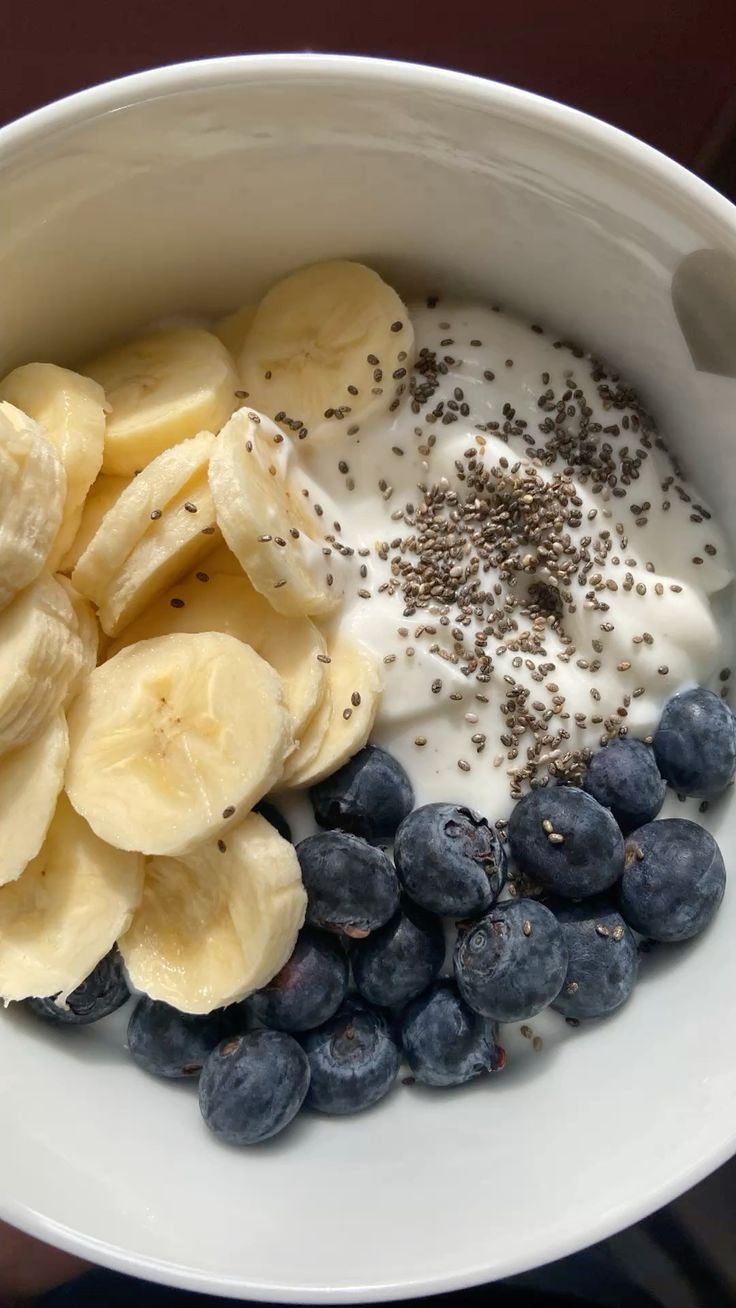
Natural yogurt (and skyr).
Yogurt is the fermented product most familiar to us.
But careful: it has to be real yogurt, plain and natural. Fruit or flavored yogurts aren’t the same thing.
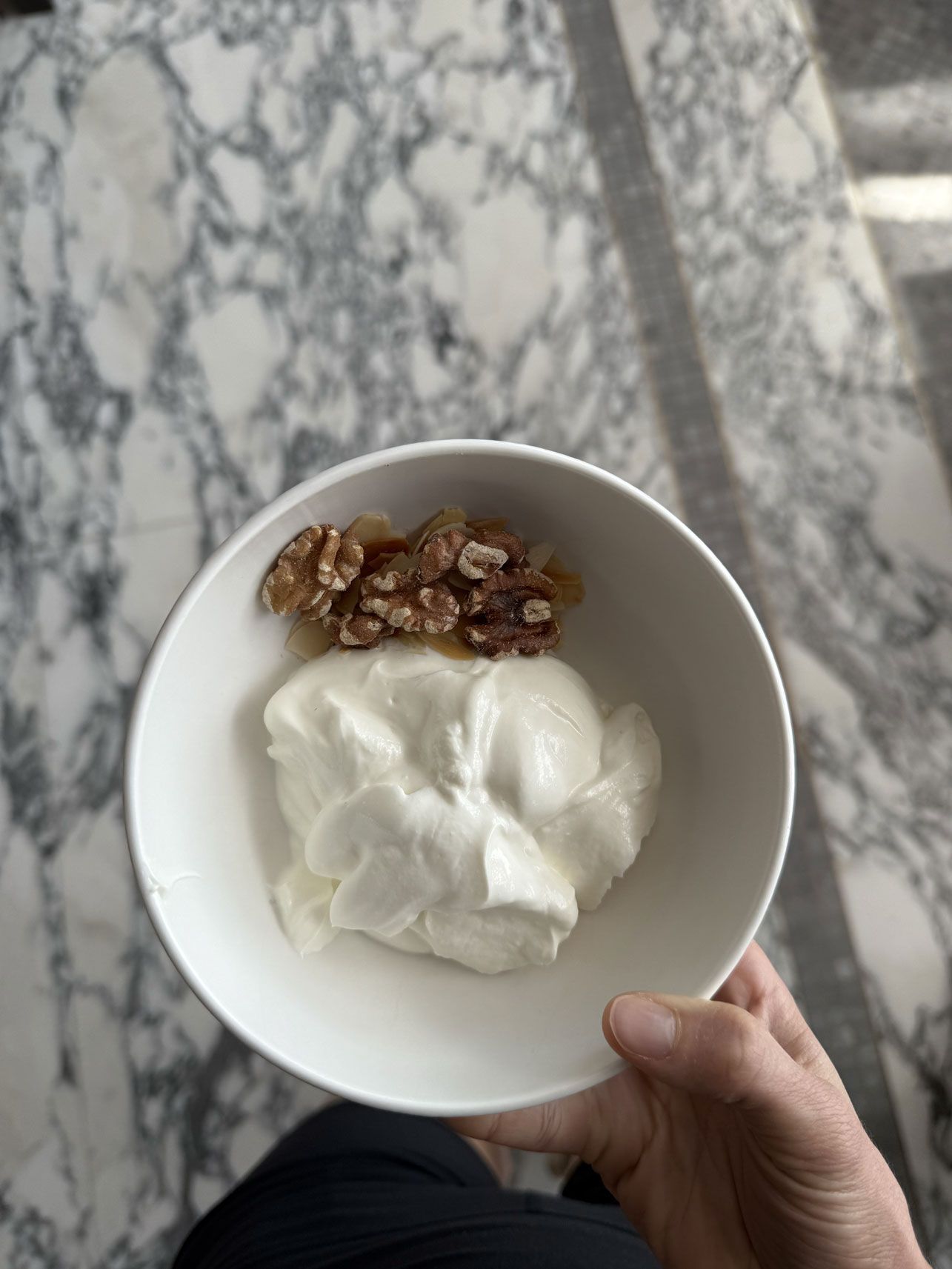
Personally, I love Greek yogurt and skyr, both plain. They’re rich in live cultures and protein, they keep you full for a long time, and you can easily make them tasty by adding fresh fruit.
I also love yogurt as a salad dressing: mix a teaspoon of oil, some apple cider vinegar, and some fresh plain yogurt, and you’ll have a perfect little sauce.
Kefir
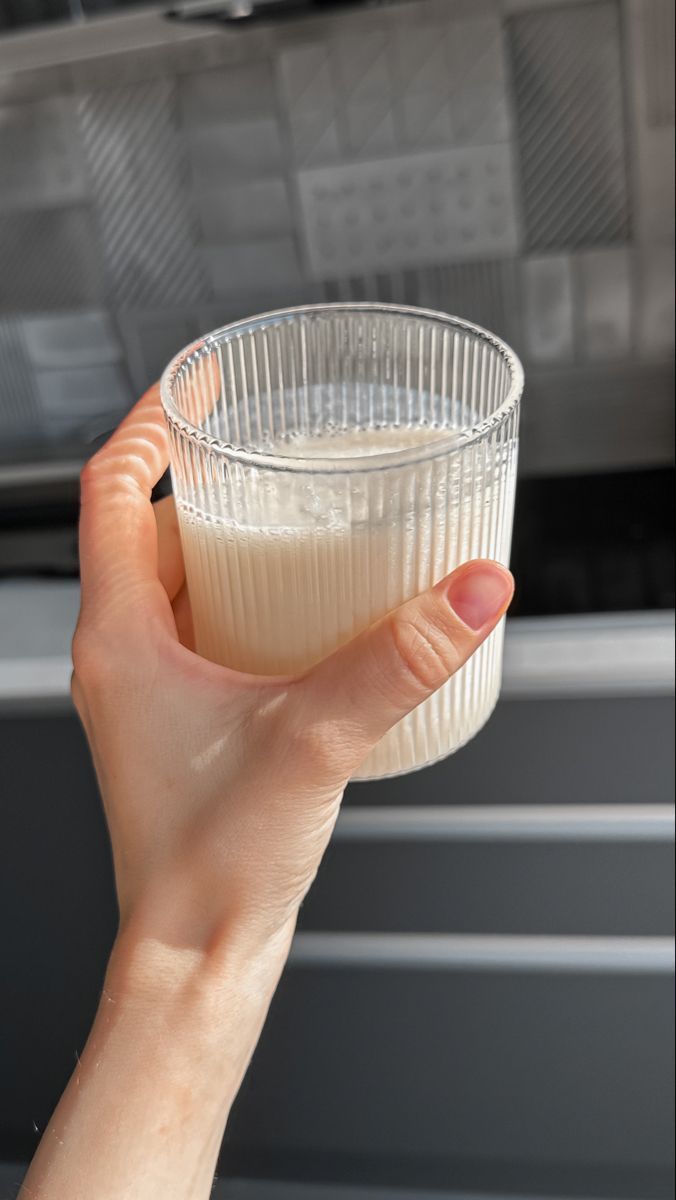
Kefir is a fermented drink easily found in any supermarket.
It’s also one of the most probiotic-rich fermented products of all, far more than yogurt.
Perfect as breakfast or a snack, or as a base for smoothies.
Tempeh
Tempeh is a fermented food made from soybeans.
It’s well known and used by vegetarians and vegans, but not eaten much by others.
It’s rich in protein and very versatile.
Perfect cooked in a pan, grilled (like chicken), or diced in salads.

Unpasteurized apple cider vinegar
The vinegar that contains probiotics is the slightly cloudy apple cider vinegar, with “the remnants” at the bottom of the bottle (that layer is called the “mother”). Filtered apple cider vinegar has almost no probiotics left.
Use it to dress salads or any dish (personally, I love apple cider vinegar).
Did you know that if taken before meals (diluted in water) it also helps stabilize blood sugar? And if you’re following an anti-inflammatory diet, having stable blood sugar is very important. I talked about it in the article dedicated to anti-inflammatory foods
Sauerkraut
If you’ve been to Germany, you’ve tried it.
I remember as a child going to Munich with my parents to a huge beer hall; we’d eaten sausage and sauerkraut.
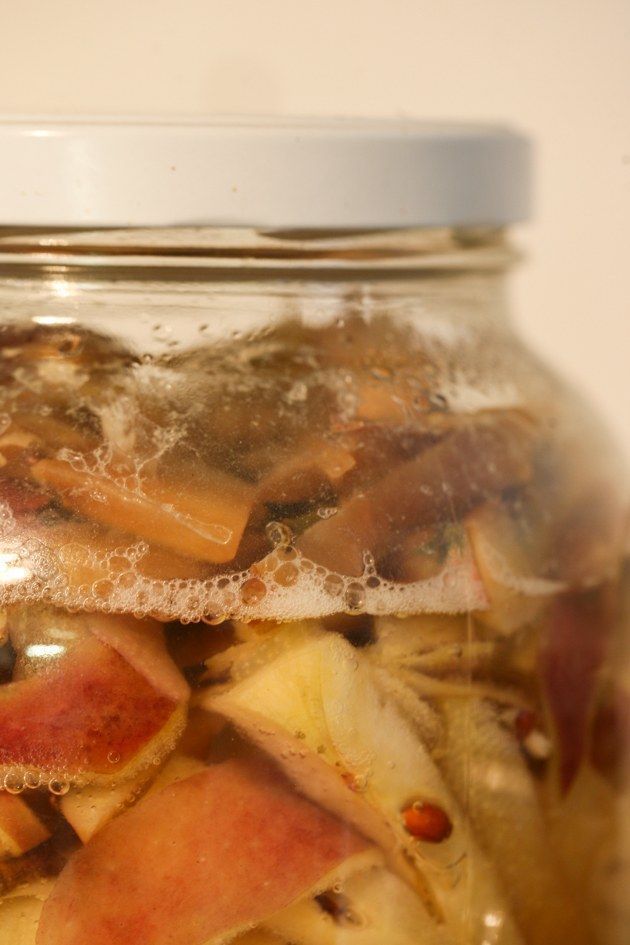
But back then I didn’t yet know what probiotics were 😅 Sauerkraut is simply fermented cabbage. Relatively easy to find at the supermarket, and easy to make at home too.
It’s rich in probiotics, fiber, vitamin C, and antioxidants. Delicious as a side or in salads, but be careful not to overdo the quantities, or it might cause bloating.

Now we move into the “uncharted” territory of hard-to-find fermented products.
Miso
In first place I’d put miso.
If you’ve been to a Japanese restaurant, you’ve very likely tried miso soup.
Miso is nothing more than a fermented paste of Japanese origin, generally made from soy. It’s very intense, and a tiny bit of a teaspoon is enough to flavor a meal.
One note: miso should always be added to dishes at the end of preparation and never boiled, otherwise the heat destroys the live cultures.
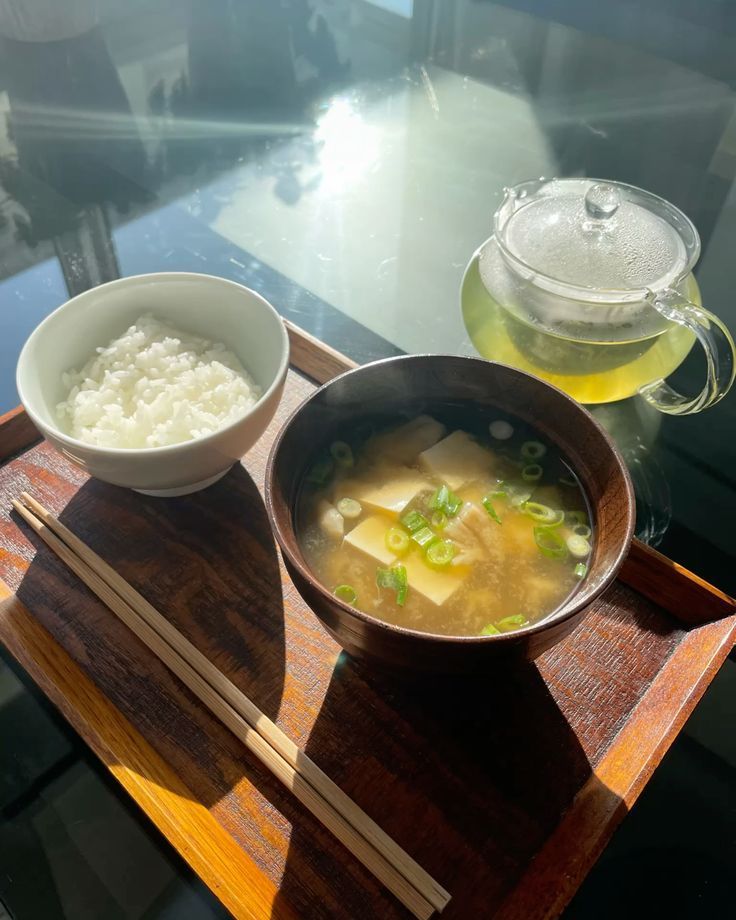
Delicious in soups! Normally, when I make soups, I cook the vegetables in a pan with a little water, let it fully absorb until the pan turns “a bit brown,” then deglaze with apple cider vinegar and add more hot water. I finish cooking and, at the end, add a quarter teaspoon of miso.
I swear it comes out delicious, and it works with every vegetable!
Let’s move on to the two truly hard-to-find products: kimchi and kombucha.
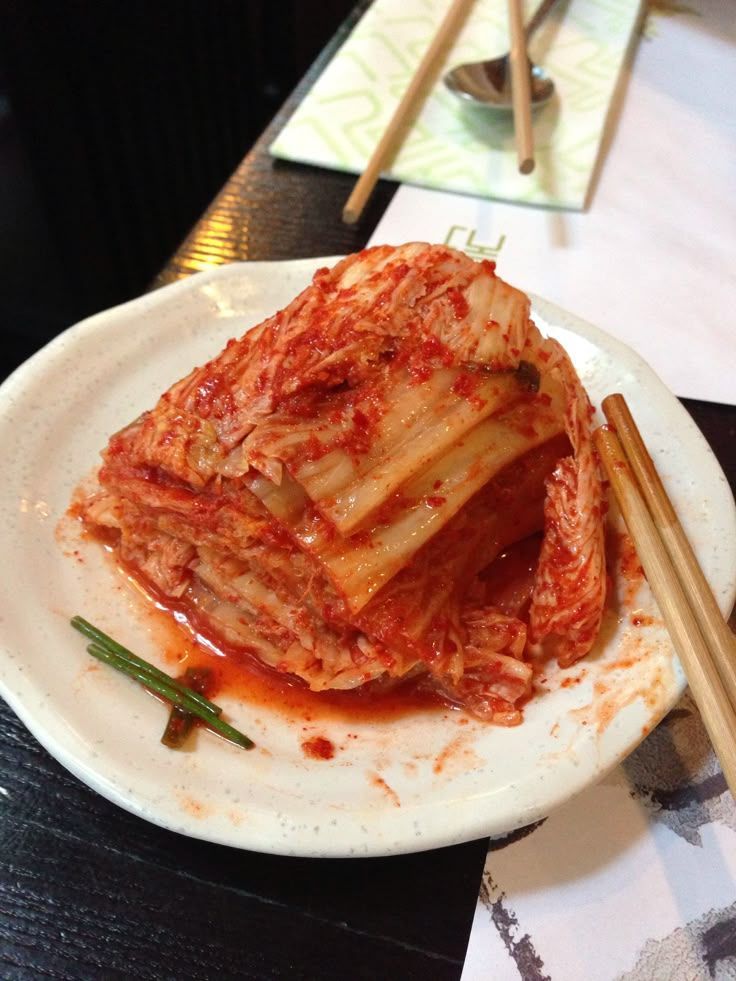
Kimchi
Kimchi is a traditional Korean dish made from fermented cabbage.
It’s generally reddish and spicy. It’s rich in probiotics, fiber, and various vitamins (vitamins A, C, and K).
I tried it a few years ago and I have to say it has a fairly intense but pleasant flavor. It reminded me a lot of sauerkraut but spicy (though maybe that’s just me).
You can eat it in small quantities as a side or add it on top of soups.
Kombucha
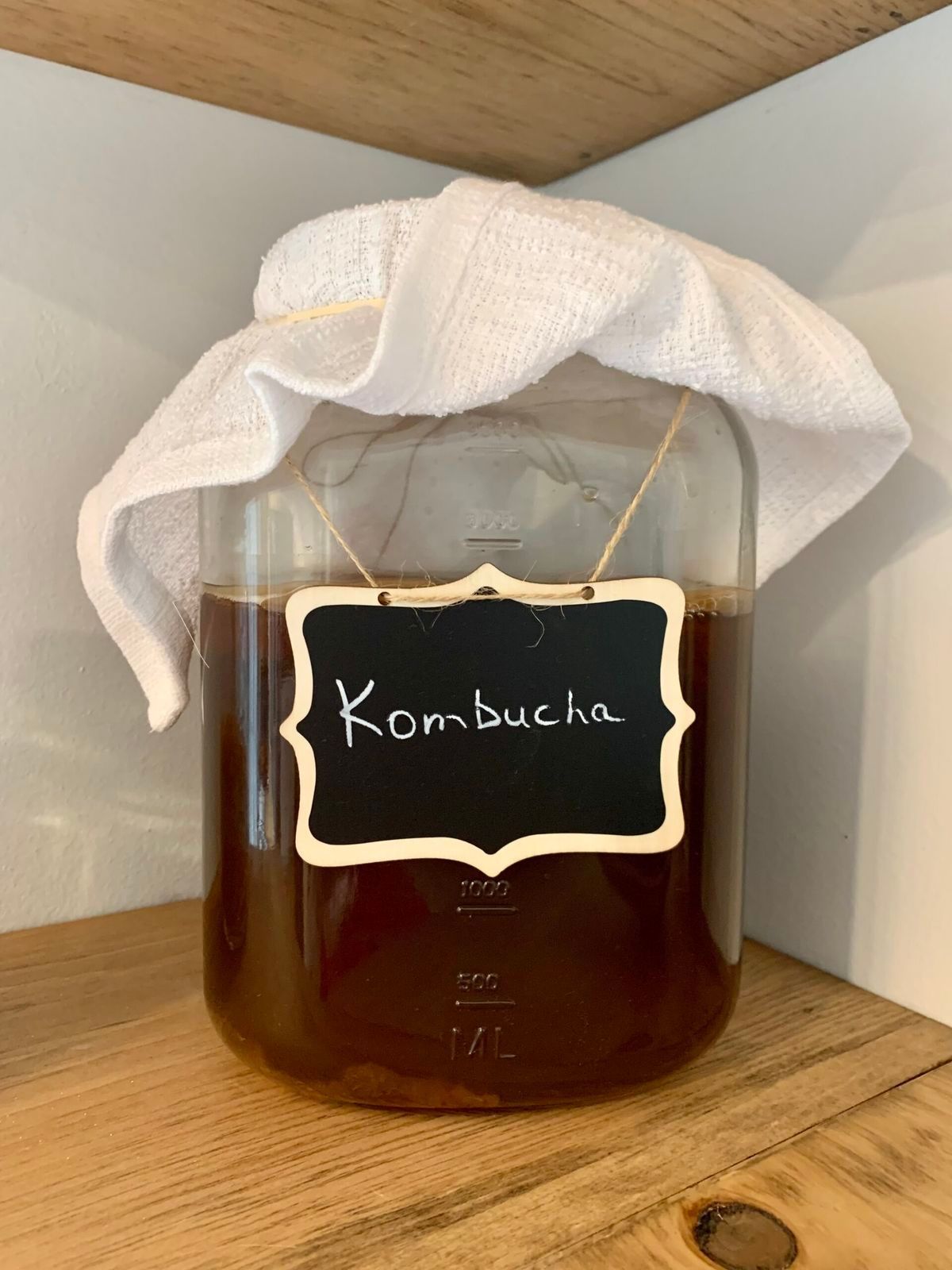
Kombucha is a slightly fizzy drink made by fermenting sweetened tea.
It’s become very popular in recent years, but careful: not all kombuchas are equal.
Some industrial kombuchas are very sugary and more like a Coca-Cola than a fermented drink 😅
Sourdough bread deserves a mention of its own.
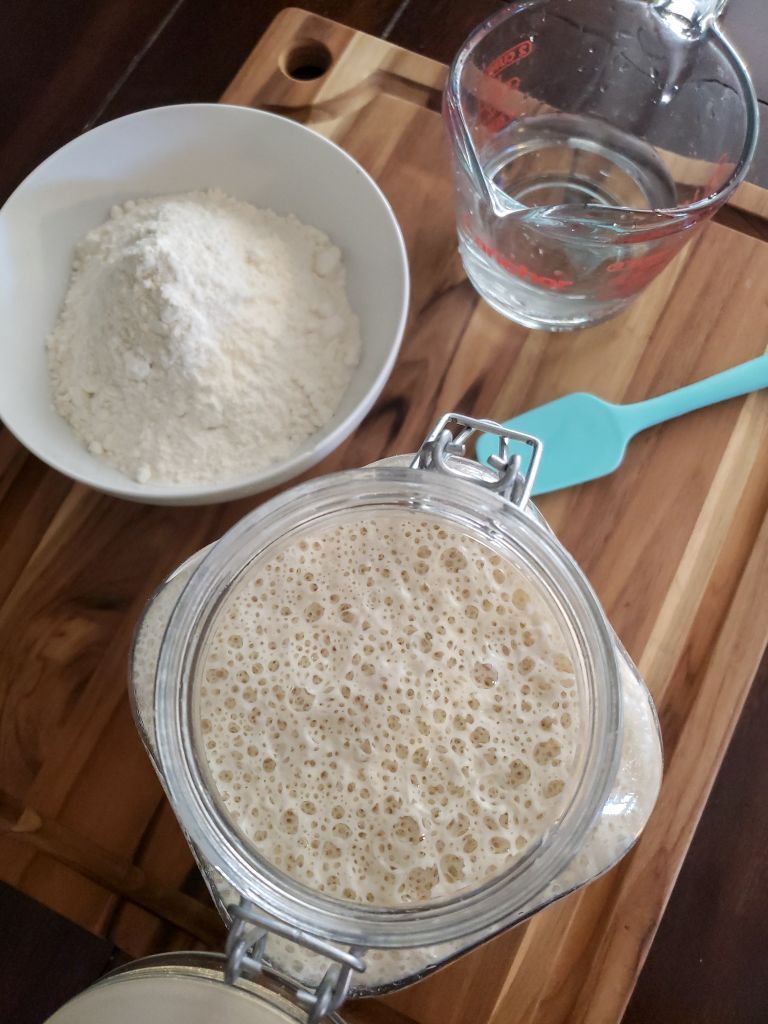
True sourdough bread, made with a starter and not with industrial yeast, is also a fermented food.
I mention it separately because, even though it’s a “common” food, finding true sourdough bread isn’t easy.
Not all fermented foods contain live cultures
A small clarification: not all fermented products you find at the supermarket still contain live cultures. Some preservation processes, like pasteurization, kill the microorganisms.
To make sure the food still contains cultures, always choose fresh products, not long-shelf-life jars (sauerkraut, for example, is often found in long-shelf-life glass jars), or make them yourself at home.
How and how much to eat
As I think you can understand, introducing fermented foods is not very complex.
Some are extremely common and can be worked into our daily life without any trouble; others, like yogurt, are very likely already part of it without us knowing.
You can eat fermented foods every day, perhaps choosing one a day and varying it several times a week. For example, a couple of times you can have kefir, sometimes yogurt, other times sauerkraut, and, if you can find it, miso.
But if you suffer from a bloated belly or have a sensitive gut, always watch the quantities and introduce fermented foods gradually. Adding too many too quickly can worsen bloating (since they keep fermenting in your belly).
An important note: fermented foods are naturally rich in histamine.
If you have recurring migraines, hives, chronic nasal congestion, intense bloating after meals, or a very reactive gut, you might have a histamine intolerance, and fermented foods could worsen your symptoms rather than help.
Frequently asked questions
Fermented foods or probiotic supplements: which is better?
Supplements can be useful at specific times and for specific problems.
In other cases, I think relying on food is better.
If you eat fermented foods, in addition to probiotics you’ll also get fiber and vitamins to round out your diet.
My rule is always: food first, supplements later if needed.
How long before I feel the benefits?
There’s no precise answer, but changes to the microbiota take months of consistency.
Can fermented foods cause bloating?
At first, yes, it can happen, especially if you introduce a lot all at once or if you suffer from abdominal bloating.
That’s why I recommend starting with small quantities and one food at a time.
Does the yogurt I buy at the supermarket count as a fermented food?
Yes, if it’s real yogurt: plain, natural, with live lactic ferments.
No, if we’re talking about sweetened fruit yogurts or “yogurt-style” desserts: there, the sugar and additives far outweigh the benefit of the cultures.
Always read the labels, as I explain in the article on anti-inflammatory foods
Is it better to take probiotics or prebiotics?
They’re two different types of food with different functions.
Probiotics are the “good” microorganisms that colonize the gut, while prebiotics are the fibers that feed these organisms.
For our health, we need both probiotic and prebiotic foods.
In short
Fermented foods are simple foods, often easy to find, and useful both for your gut and for your wellbeing in general.
When you choose them, remember to take them in their simplest, purest, freshest forms.
Eat several a week, but introduce them in small quantities and not all at once, because they might cause bloating.
Over time they’ll help fill your gut with good bacteria, helping you achieve a balanced gut. And a balanced gut means less bloating, less inflammation, and more calm.
And if you’d like to help your gut even further, remember that movement matters for gut health too.
The diaphragm (the breathing muscle located below the ribs) massages the intestine and abdominal organs every time it moves, promoting intestinal motility and drainage. The result? A flatter, less bloated belly.
And that’s exactly what we do in my Lymphatic Drainage Pilates, through deep breathing exercises and by coordinating each deep-abdominal exercise with the breath.
If you’d like to try it, on Traininpink the first 7 days are free.
Carlotta's insights, straight to your inbox
Just your name and email, unsubscribe anytime.