How to choose anti-inflammatory seasonings from oil and vinegar to salt and spices
Most diets don't fail because of what you eat, but because of your seasonings. Here's how to choose oil, vinegar, salt and spices that fight inflammation
Most diets don’t fail because of what you eat.
They fail because of the seasonings you use.
It sounds absurd, but it’s true.
Seasonings seem like a detail, but they’re anything but.
They’re present in practically every dish you eat, and they’re ingredients in their own right.
And often the difference between an anti-inflammatory dish and a pro-inflammatory one comes down to the seasonings. Or the difference between a dish that makes you gain weight and one that helps you lose it.
Let’s get to know them better and figure out what to choose.
Oil
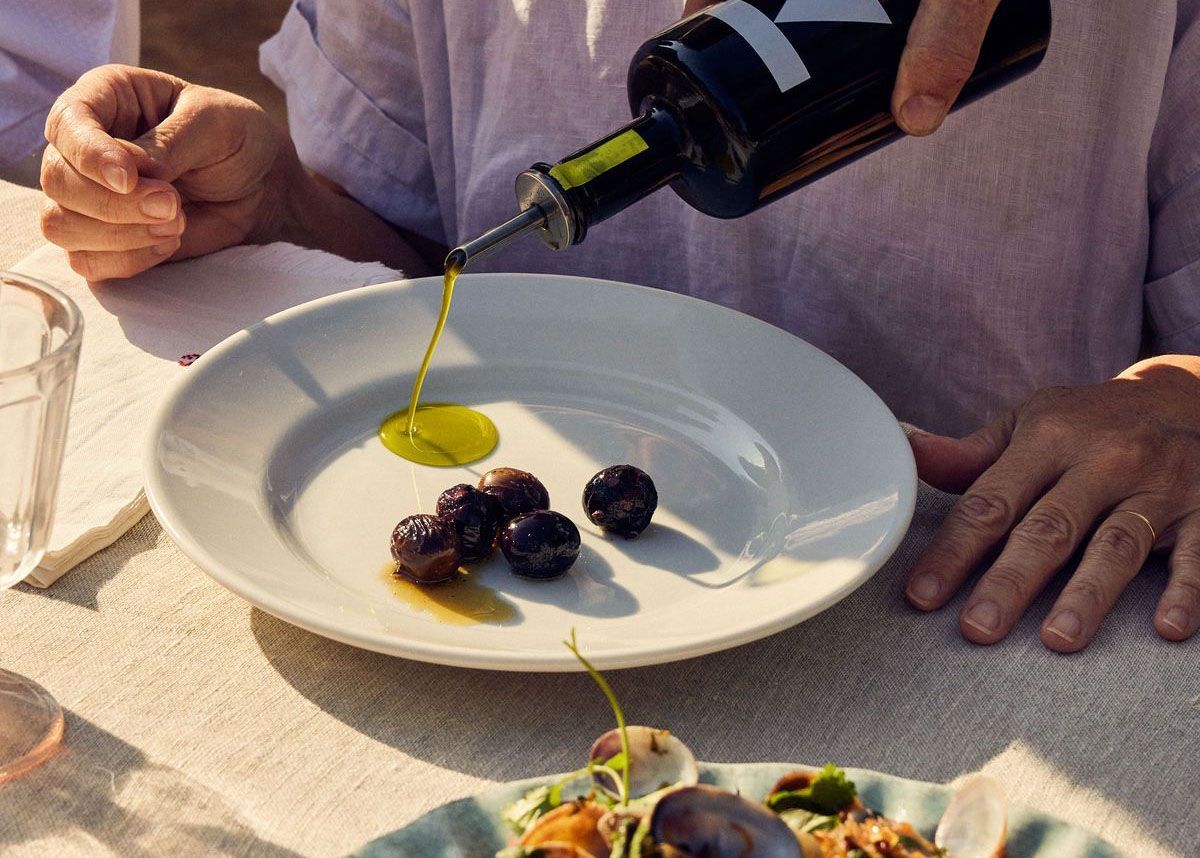
Let’s start with what should be the king of your kitchen (and certainly is the king of mine): extra virgin olive oil (or EVOO).
There’s no doubt: EVOO is good for your health. It’s rich in antioxidants, the polyphenols, it reduces chronic inflammation, improves insulin stability, helps lower LDL (the “bad” cholesterol) while raising HDL (the “good” cholesterol), and supports the mind and memory.
And these benefits are seen with just 10 grams a day… to give you an idea: one tablespoon, or two teaspoons.
There are, however, several “buts.”
The highest concentration of these health-beneficial compounds is found in cold-pressed, unrefined EVOO. The more the oil is processed, the fewer polyphenols remain.
But that’s not all.
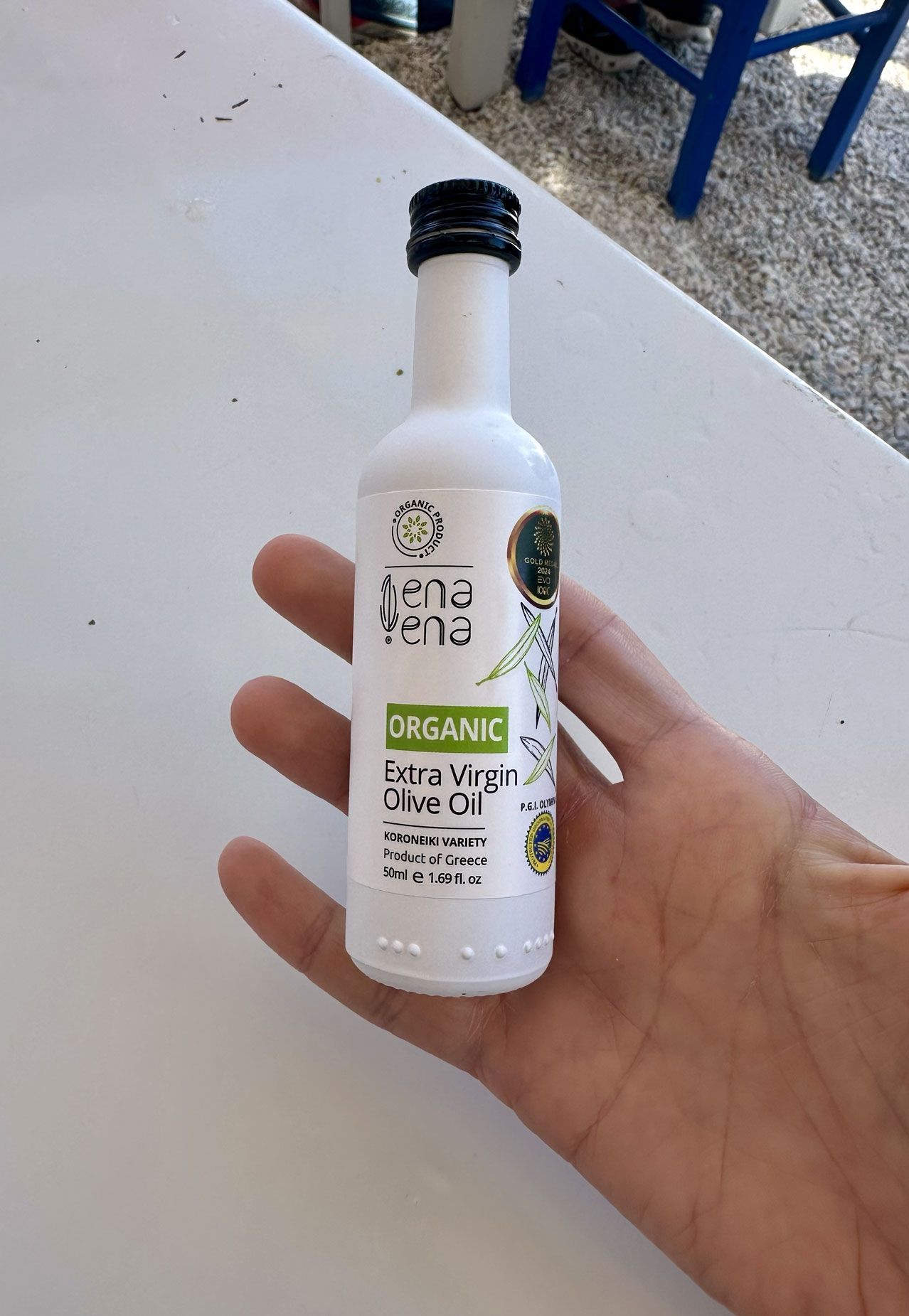
The real problem is that many, many extra virgin olive oils aren’t actually that pure.
Don’t just take my word for it. There have been numerous investigations over the years, and the reason is very simple.
Pure olive oil is expensive. A lot.
And to sell it cheaply, it’s often mixed with low-quality olive oil or, worse, with seed oils (in the first three months of 2024, olive oil fraud cases in Europe tripled compared to 2018). The kind that inflame the body.
I talked about them here if you’re interested.
So what to do?
Be wary of prices that are too low: a quality Italian extra virgin oil can’t cost 4 euros a liter (or less). The costs of growing, harvesting, and milling don’t allow it. If it’s that cheap, there’s almost certainly something off (it’s mixed with other oils, with non-Italian olives, and so on).
Prefer recognizable producers: always try to choose oils from small mills or farms with clear traceability.
If possible, choose oils from a single type of olive. Even better if the olive variety is specifically indicated, for example Coratina, Nocellara, Frantoio, Leccino, Itrana, Taggiasca, Kalamata.
Look for European certifications: PDO (Protected Designation of Origin), under which the olives must be grown and the oil produced in the same geographical area, or PGI (Protected Geographical Indication). Of the two, the first is the more restrictive.
Don’t look at the expiry date, look at the harvest date: EVOO is freshest within 3 months of the harvest date; the more time passes, the more the benefits dilute. In any case, if the producer indicates the harvest date, it shows they’re serious.
Cold extraction: always look for the “cold extracted” indication on the label. This means that throughout processing, the oil never exceeds 27°C and manages to preserve its polyphenols. If the oil is extracted at a higher temperature, it loses polyphenols and aromas.
Between a clear bottle and a dark one, always prefer the dark bottle, because light oxidizes oil quickly. This applies to storage too: better to keep it away from stovetops, sun, and direct light. Once opened, it’s best to use it within a couple of months.
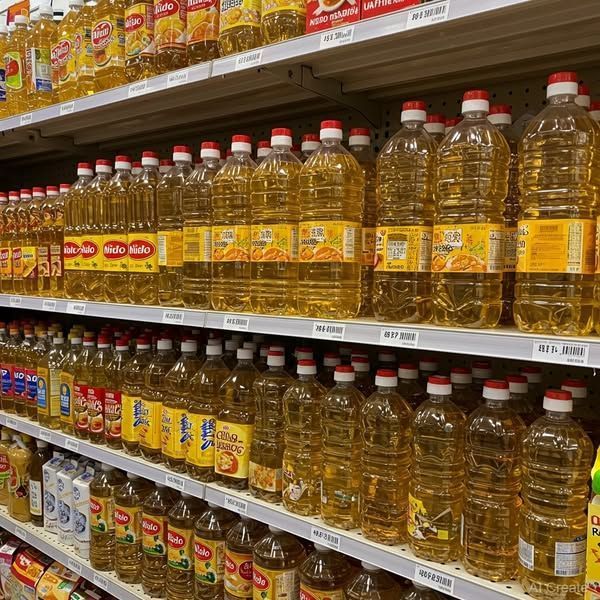
If you want to follow an anti-inflammatory diet, it’s best to avoid them.
There are three reasons:
- They’re extremely rich in omega-6 (and have no omega-3). Unfortunately, the modern diet is already very rich in omega-6 and very poor in omega-3. Consuming these oils would further imbalance the omega-6/omega-3 ratio, which is one of the main causes of chronic inflammation. I talked about it here.
- Most of these oils are extracted with chemical solvents like hexane, a petroleum derivative, and the law permits hexane residues in the final oil (in traces, but present nonetheless). But the worst step is the final one: the oil is heated to temperatures between 200 and 250°C. At these temperatures, the unsaturated fatty acids oxidize and the “famous” trans fats form.
- They’re completely devoid of any nutrient.
Vinegar
Let’s move on to vinegar. You may not know this, but vinegar is one of those fermented foods that are good for your gut. I talked about it here.
Among the vinegars used for seasoning we find:
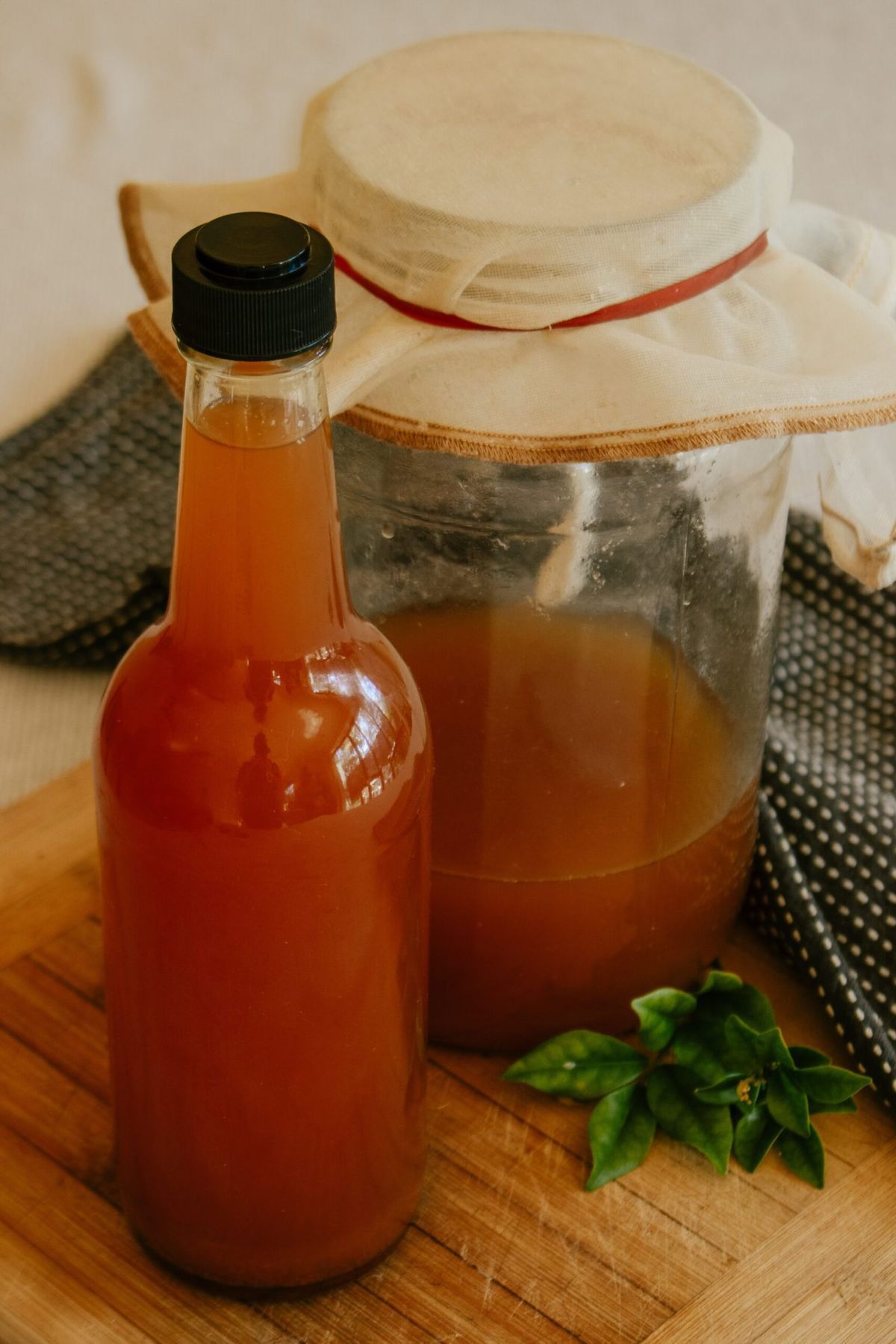
- Apple cider vinegar: obtained from the fermentation of apple juice, and the best is the unpasteurized one with the “mother” (the cloudy layer) at the bottom of the bottle.
It reduces chronic inflammation by acting on oxidative stress and lowering cholesterol levels and fasting blood sugar (Khezri et al., 2018). Another 2023 study showed how 30 ml a day of apple cider vinegar for 8 weeks improves fasting blood sugar, insulin, and HbA1c in patients with type 2 diabetes. The ideal quantities are between 15 and 30 ml a day, which corresponds to one or two tablespoons.
- Wine vinegar: obtained from the fermentation of wine. Red wine vinegar in particular is rich in polyphenols (the antioxidants we also found in EVOO) and is an excellent seasoning for dishes and salads. Less studied than apple cider vinegar, but it still retains the same benefits.
- Balsamic vinegar: delicious, but here too, the problem, as with oil, is quality. Traditional PDO Balsamic Vinegar is obtained from the fermentation of cooked grape must, left to age for years (or rather, decades). Cheap balsamic vinegars, on the other hand, are a mix of wine vinegar, caramel, and thickeners. In glazes, added sugars are also included (often among the first ingredients). These products should be used sparingly if you want to follow an anti-inflammatory diet.
A small aside: if you have a histamine sensitivity (with consequent itching, swelling, redness, and headaches), it’s best to avoid vinegar, like all other fermented foods. That’s because during fermentation, the bacteria naturally produce histamine, and vinegar contains significant amounts of it.
Salt
Salt is essential for our health, but we often consume too much of it because of processed and industrial foods that are rich in it (to improve flavor).
The WHO recommends a maximum of 5 grams of salt a day for an adult, about one level teaspoon. The Italian average is around 10 grams a day, roughly double the recommended amount. And most of it comes precisely from ready-made foods like industrial sauces, cured meats, cheeses, stock cubes, snacks, cereals, packaged bread.
You may not know it, but packaged sweets contain salt too. It’s literally everywhere. And often low-quality, too.
An excess of salt is one of the main causes of water retention. And it’s partly because of the salt consumed during the day that you feel more bloated in the evening. It’s very simple: the more sodium you consume, the more water your body retains to dilute it. In this case, taking care of your lymphatic system as we do in my Lymphatic Drainage Pilates is essential.
And avoiding processed foods would also be advisable.
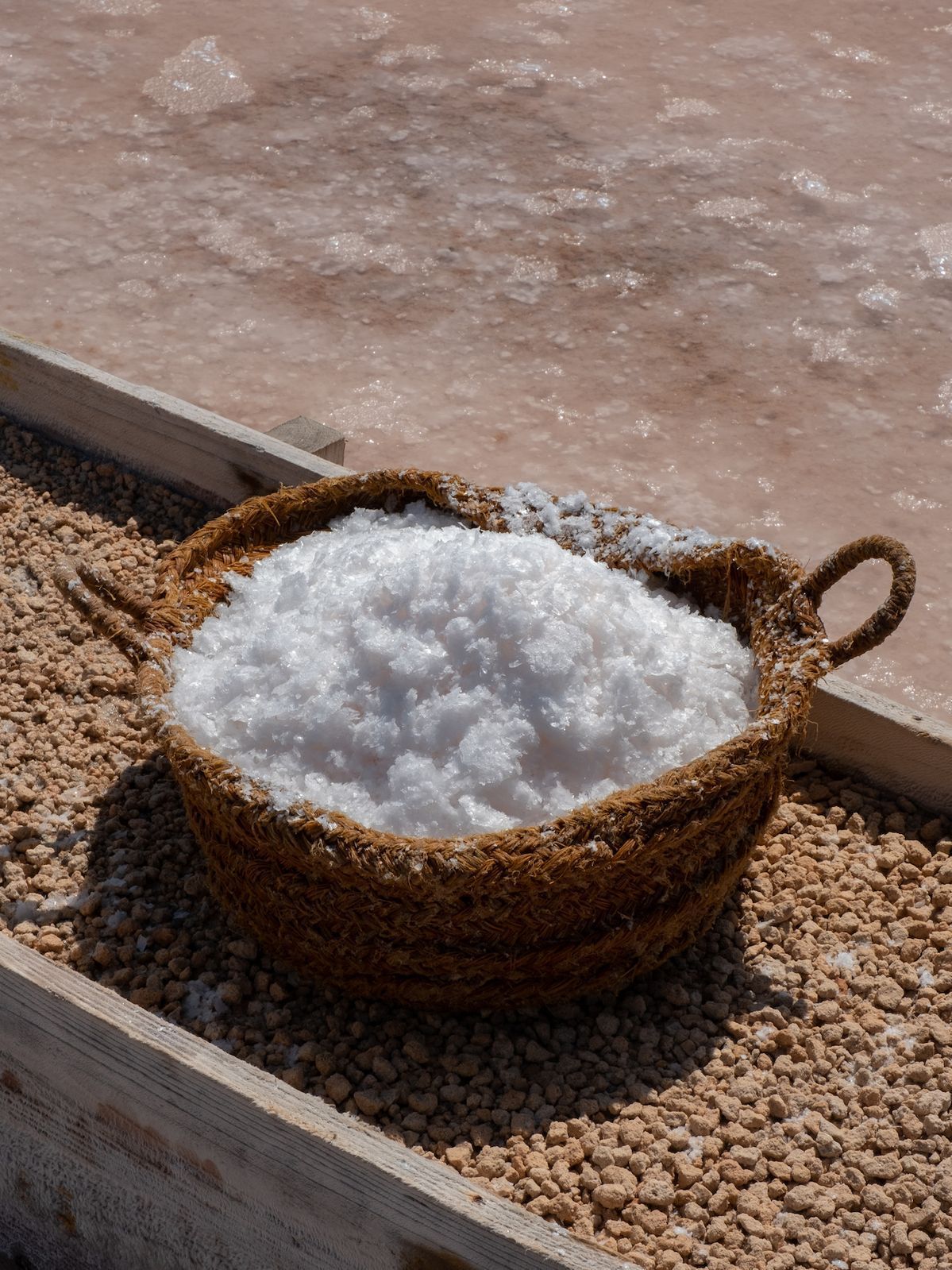
But back to table salt. There are all kinds: sea salt, pink salt, iodized salt… Which of these is best? The reality is that there aren’t many differences between the various salts.
One small precaution: if you don’t often eat fish or seaweed, always choose iodized salt. Iodine is essential for the proper functioning of the thyroid; I talked about it in this article.
Spices and aromatic herbs
Spices and aromatic herbs are among the most powerful tools you can choose to make dishes tasty when you’re following an anti-inflammatory diet.
In fact, many spices have an anti-inflammatory effect themselves!
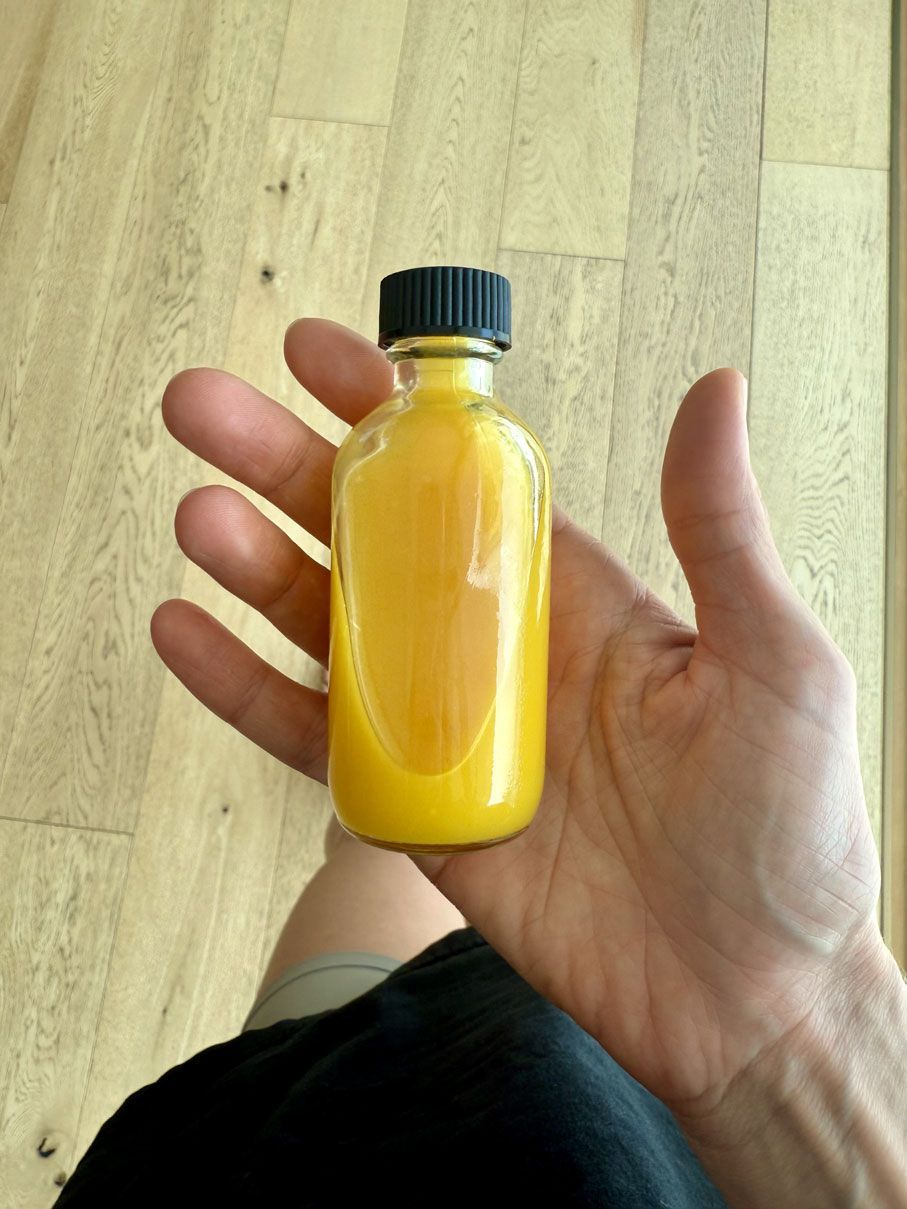
Turmeric + black pepper
Let’s start with turmeric. Turmeric contains curcumin, one of the most studied natural anti-inflammatories in the world. To be absorbed properly, it needs to be paired with a pinch of pepper (Shoba et al., 1998: piperine increases the bioavailability of curcumin by 2000%). I always make my anti-inflammatory “shot,” which I take at breakfast. I talked about it here.
The turmeric and pepper mix is also excellent for seasoning dishes, especially soups and warm winter dishes.
Ginger
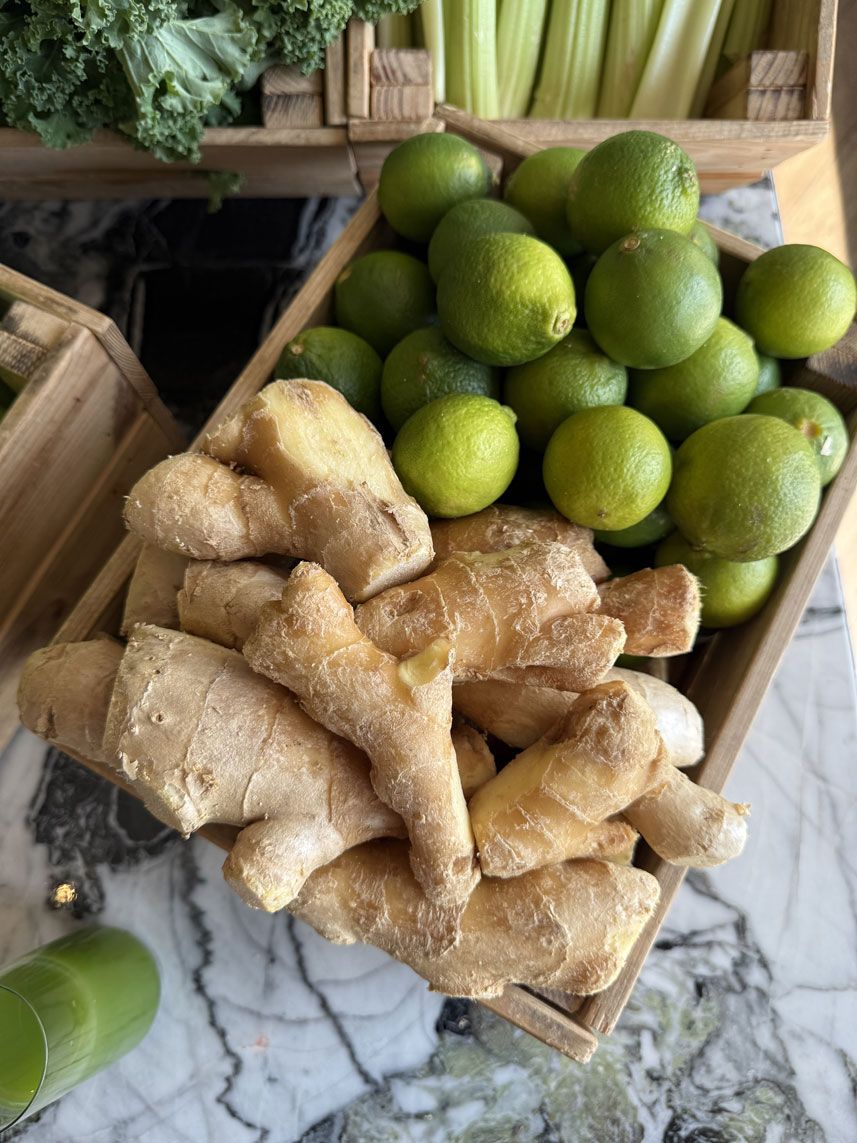
It’s a powerful anti-inflammatory, but it’s best to choose the fresh one (the root) over the powdered one.
Excellent grated over soups, or for making ginger-and-water tea (just let the water boil with the ginger root, then strain it. I like it when it boils for a long time and turns nicely “potent”).
Cinnamon
Talk to me about cinnamon and I immediately think of Christmas.
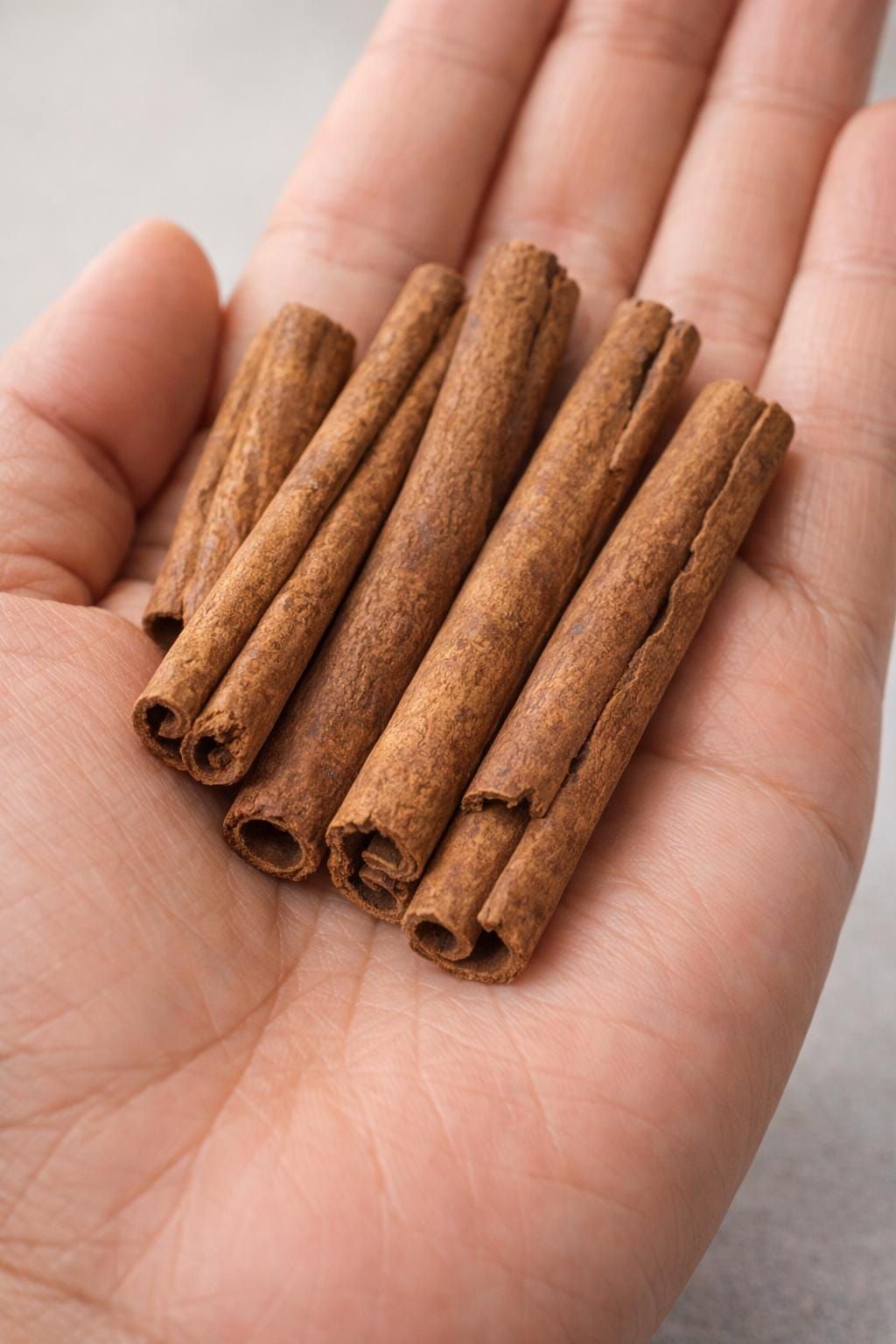
For me it’s one of the best spices. Perfect on dishes to give a “twist” that’s different from usual, or to add to yogurt. I often make a drink by boiling a cinnamon stick in hot water.
It’s also heavily studied for keeping blood sugar stable and reducing glycemic spikes.
Fresh aromatic herbs
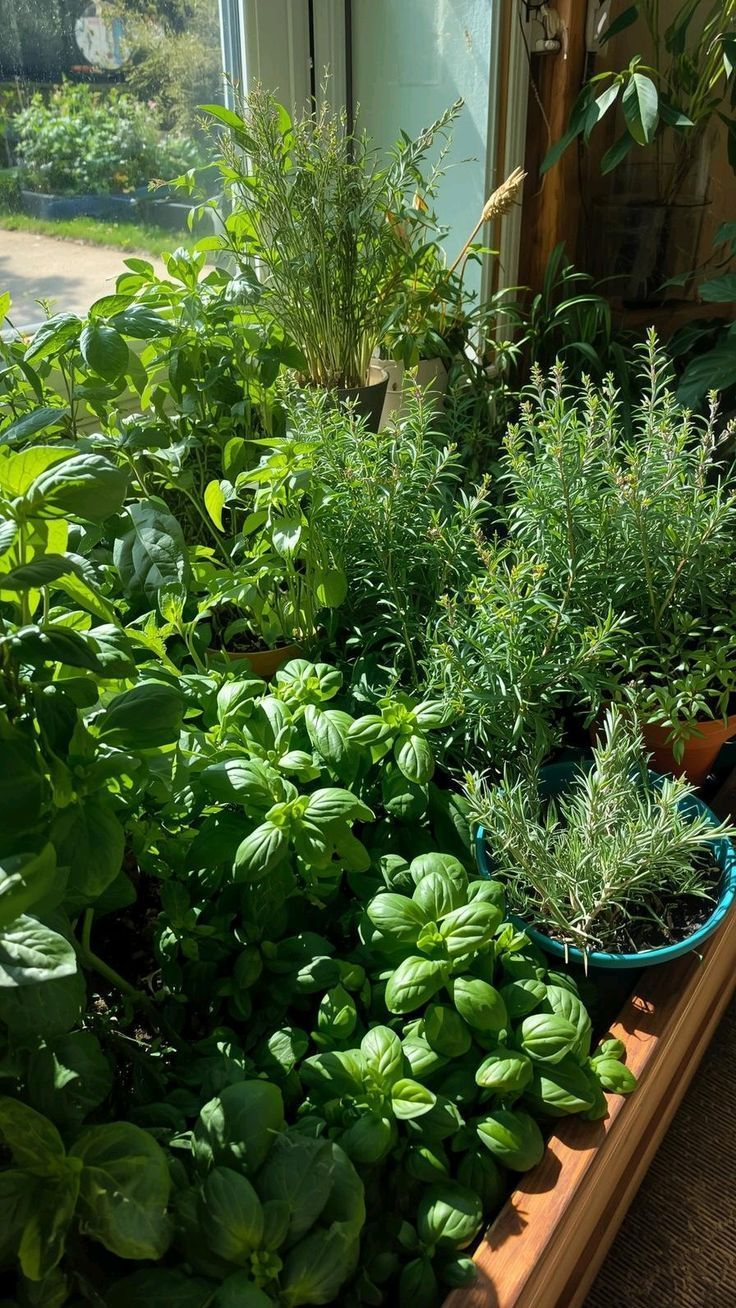
Rosemary, basil, thyme, oregano, sage, parsley, mint… the herbs of our gardens.
All rich in polyphenols and aromatic essential oils. They’re excellent for flavoring any kind of dish or salad.
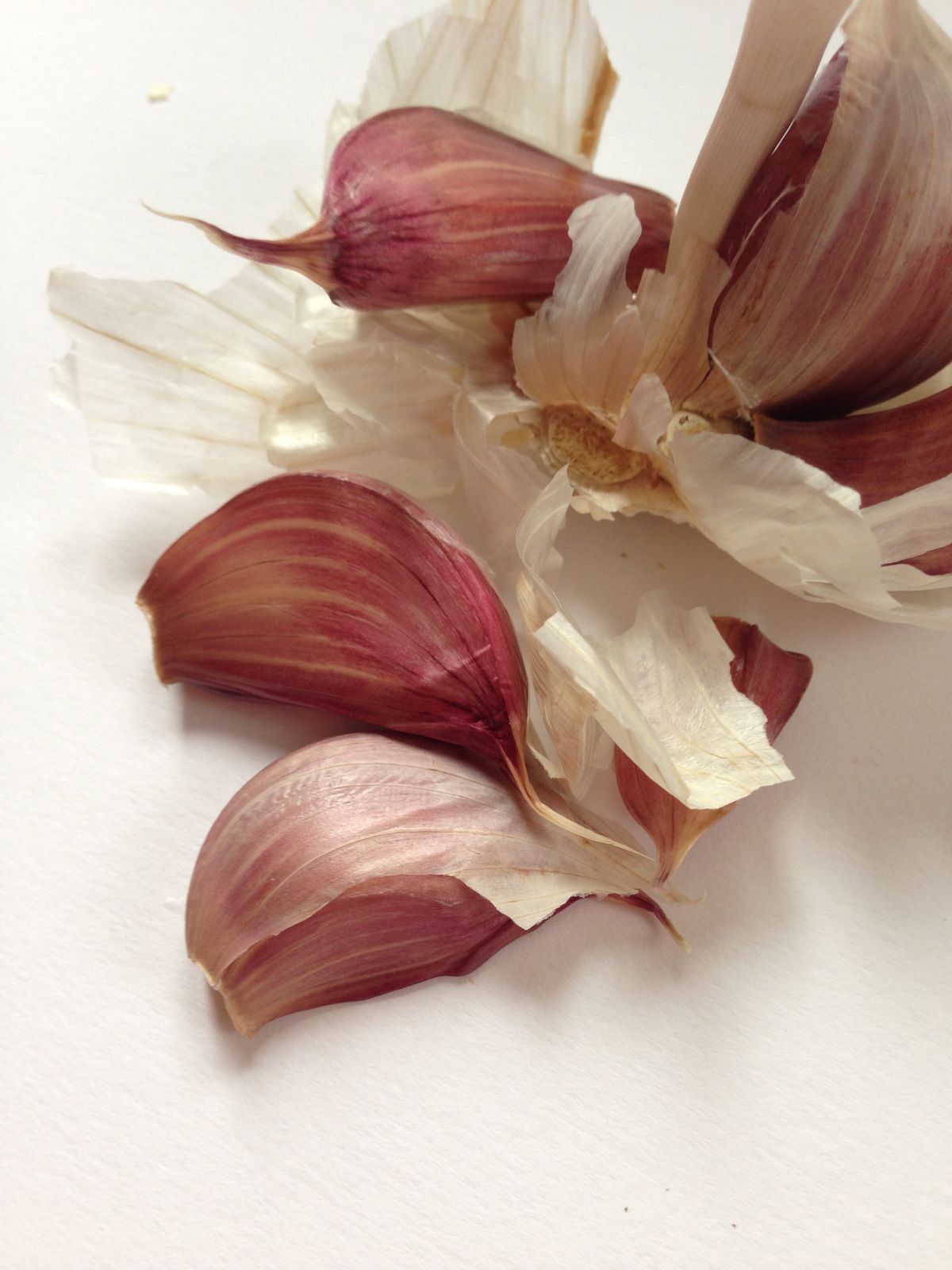
Garlic
You either love it or hate it (I love it): garlic.
It’s a prebiotic (those foods that “nourish” the good bacteria in our gut; I talked about it here) and has an antimicrobial and antibacterial effect thanks to allicin. It can help in some cases of SIBO, improves intestinal motility, and reduces inflammation.
Other useful seasonings

Soy sauce
Real traditional soy sauce is a fermented product (like vinegar). Unfortunately, industrial ones are often full of MSG and colorings, so they’re not ideal for an anti-inflammatory diet.
Mustard
Mustard seeds are rich in omega-3 and anti-inflammatory compounds. That’s because mustard belongs to the cruciferous family, exactly like broccoli and cauliflower. Would you ever have guessed?
When you buy mustard, though, always read the ingredients and avoid the ones that contain added sugars. The ingredients of a good mustard are: mustard seeds, water, vinegar, and salt. Nothing else.
Tahini
It’s a sesame seed paste, widely used in Middle Eastern cuisine.
You know hummus? The original recipe calls for tahini. Personally, I started using it in 2020 when I moved to Dubai. It’s excellent for making salad dressings: one of my favorite dressings is tahini mixed with water and mustard. I use a small whisk to mix (tahini tends to “clump together”) and dress any salad.
Here too, be careful which one you choose. The only ingredient should be sesame seeds. Avoid all the others. It’s fairly caloric (think of it like a nut or almond butter, for comparison), but it’s also rich in calcium, magnesium, iron, zinc, copper, selenium, and vitamin E.
Seasonings to avoid
If you’re following an anti-inflammatory diet, all packaged seasonings should be avoided, such as:
- Industrial mayonnaise
- Cocktail sauce
- Ketchup
- Ready-made salad dressings
- Ready-made tomato passata rich in salt or oil
- Industrial soy sauce and vinegar
- Stock cubes
- Margarines
A small aside on mayonnaise and tomato passata.
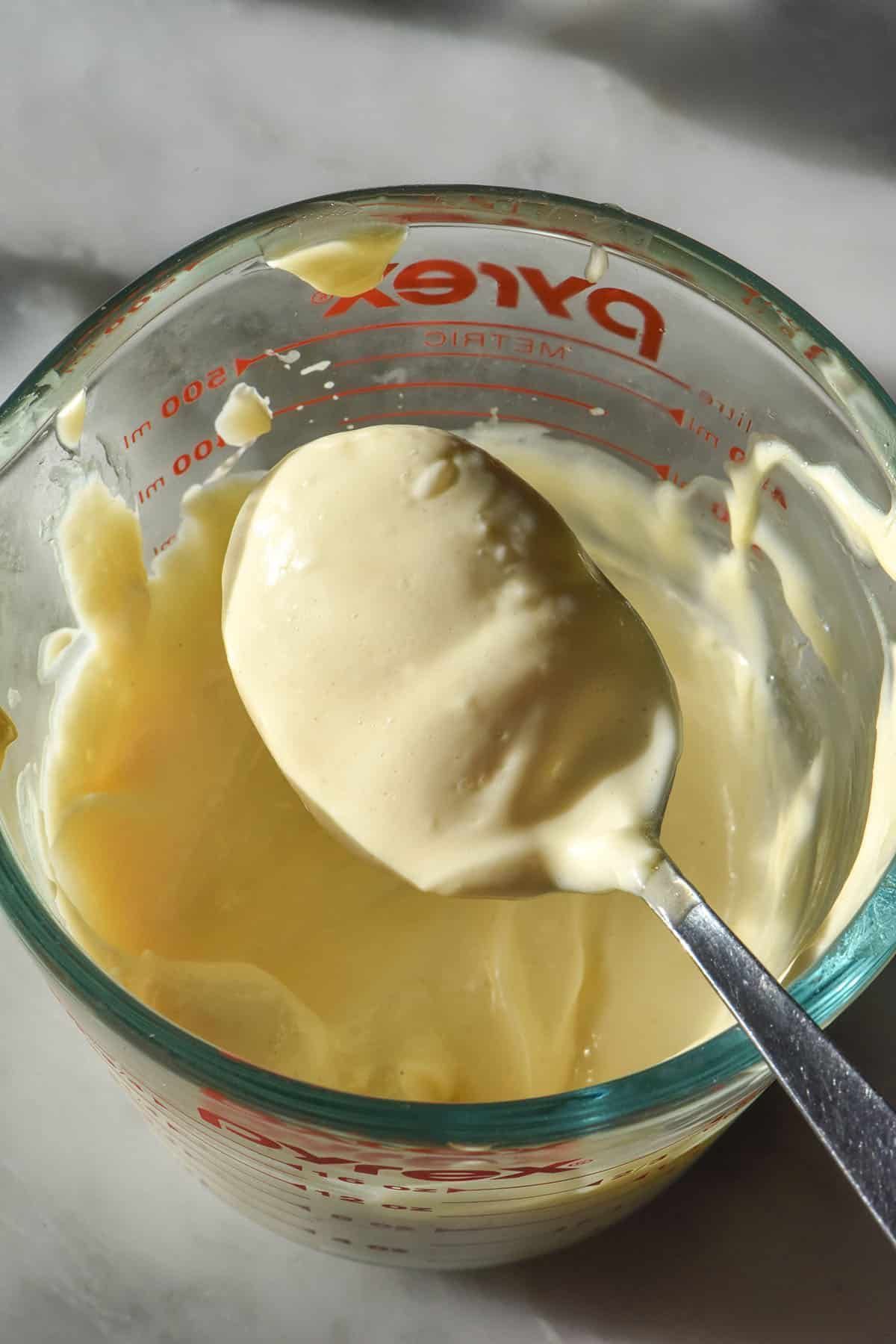
Personally, I make my own mayonnaise using
- 200 ml of olive oil
- 1 whole egg
- a tablespoon of freshly squeezed lemon juice
- a teaspoon of Dijon mustard.
I put everything in a cup and blend with an immersion blender. There are two secrets to getting it right:
- The order of the ingredients: first crack in the egg, then cover it with the oil and let it rest for a minute, and finally add the lemon juice and the mustard.
- Keep the immersion blender still when you start blending, and blend at maximum power. Once the mayonnaise starts to form, you can begin moving the blender to catch all the remaining oil.
Made with olive oil, the flavor will obviously be more intense than commercial mayonnaise, but still delicious.
For tomato passata: if you buy it ready-made, check that the ingredients are tomato, salt, and at most citric acid. Avoid all passatas with sugar, glucose syrup, or tomato concentrate. Prefer the ones in glass bottles over the ones in cans.
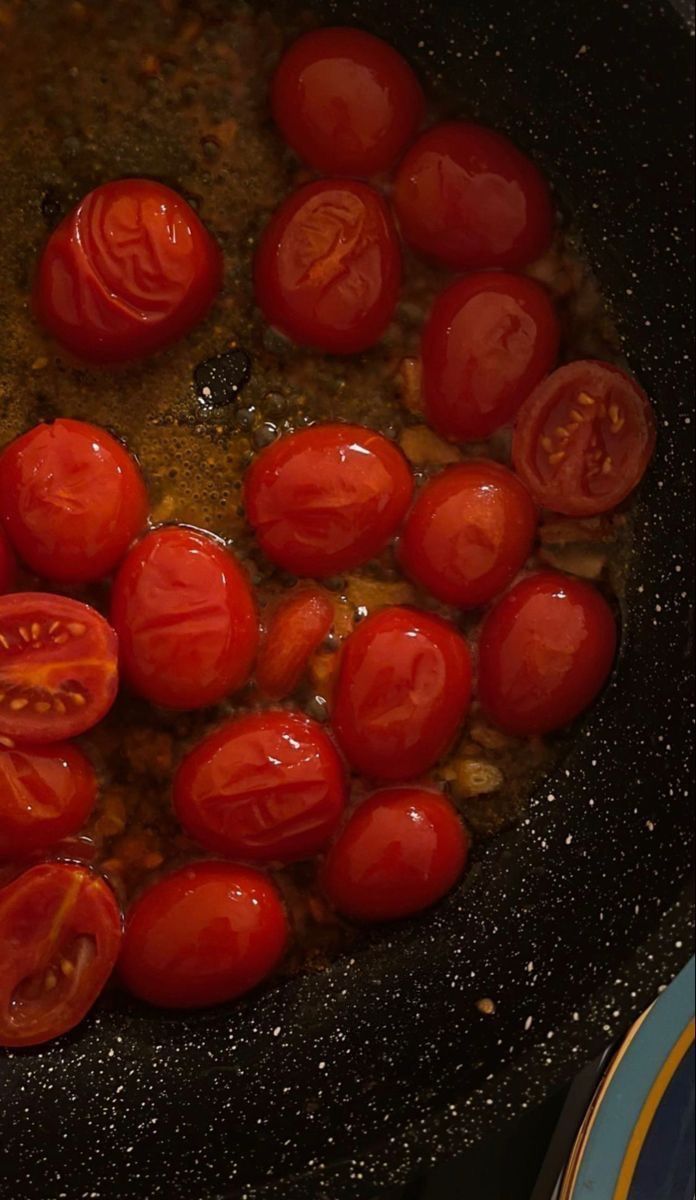
Alternatively, use fresh cherry tomatoes cut in half and cooked for a few minutes in a pan with a little water and a pinch of salt. Fresh food is always more anti-inflammatory and tastier than any ready-made food.
Frequently asked questions
Is EVOO okay for cooking too?
Yes, you can use it. The smoke point of quality extra virgin oil is around 190-210°C, enough for sautéing. Remember, though, that polyphenols are reduced by cooking.
How much oil a day?
General guidelines suggest 2-3 tablespoons a day (about 20-30 ml) for a healthy adult. It’s an important source of calories, but also of good fats. As always, it also depends on your goals and what else you eat during the day.
Does apple cider vinegar in the morning really work for losing weight?
Apple cider vinegar doesn’t make you lose weight, but it can help reduce the glycemic spike after a carb-rich meal. It’s not a miracle fat-burner, though. Be careful, because if drunk on an empty stomach it can also irritate the stomach and damage tooth enamel. Better diluted in water or used to dress dishes and salads.
In short
Seasonings are just as important as the foods you choose, and they make the difference between an anti-inflammatory diet and one that isn’t.
Avoid ready-made or ultra-processed seasonings and always choose good-quality oil, vinegar, and salt.
Learn to use the spices and aromatic herbs that make dishes tasty and often have anti-inflammatory properties.
Eating well on an anti-inflammatory diet is much simpler than it seems: it’s often not about giving things up, but about knowing how to choose.
That’s why on the Traininpink app you’ll find a true anti-inflammatory diet with recipes to follow day by day, based on Mediterranean eating. Try it free for 7 days.
Carlotta's insights, straight to your inbox
Just your name and email, unsubscribe anytime.