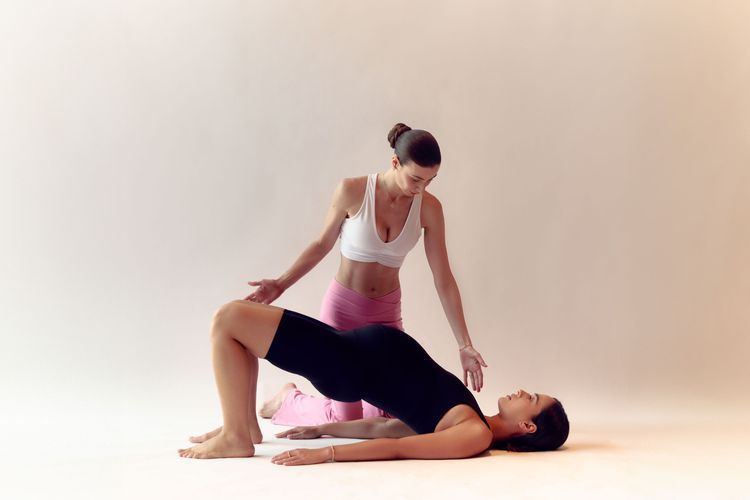
The 9 lipedema symptoms to recognize it and what to really do
Do you lose weight everywhere but your legs? It could be lipedema. The 9 symptoms, how it differs from cellulite, and what really helps improve it.
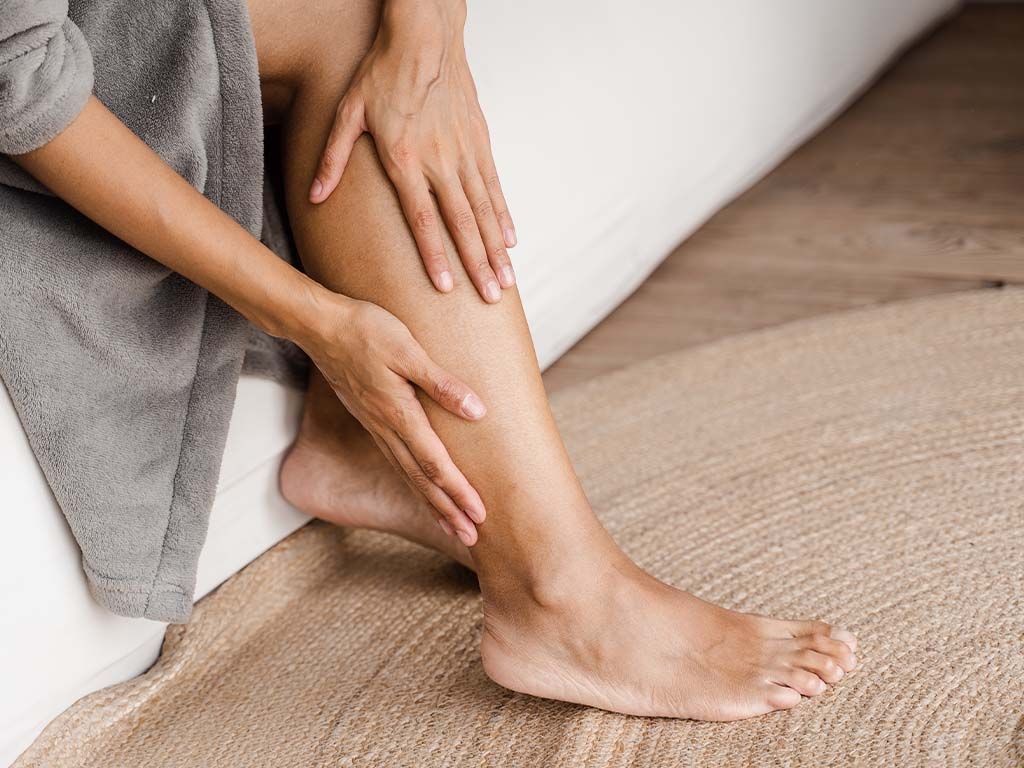
You lose weight all over your body, but your legs never seem to slim down?
Whatever you do, does it seem impossible to slim your legs?
You have tried everything. Diets. Workouts. Creams.
Your waist gets thinner, your arms become sculpted, your face slims down, your chest too. But your legs stay identical.
And they always look disproportionate compared to the rest of your body.
It could be lipedema.
This is a condition that is still very little known, even (sadly) among doctors. And this means that the diagnosis often arrives late, after years of failed attempts and a sense of inadequacy.
This is why I talk about it so often. Not because I want to encourage self-diagnosis. But because I want to give you the tools to recognize its symptoms, understand who to turn to for a real diagnosis, and above all dismantle the idea that there is nothing to be done.
Because you can improve. You just have to do the right things.

What lipedema is
Let’s start, as always, with a slightly technical and slightly boring part that I ask you please not to skip. I promise it will be useful for understanding the rest.
Lipedema is a chronic pathology of adipose tissue.
Too complex? Let’s simplify.
- Pathology = disease
- Chronic = that you always have (permanent)
- Of adipose tissue = of the fat cells
It is a permanent disease of the fat cells.
Imagine normal adipose tissue (not lipedema) like bubble wrap (the packing material). The fat cells are all the same size, well spaced from one another, with elastic space between them.
Now imagine lipedemic tissue: some little bubbles of the bubble wrap swell up enormously, the space in between fills with fluid, and the whole sheet of packing material becomes rigid and heavy.
In lipedema, in fact, five things happen together:
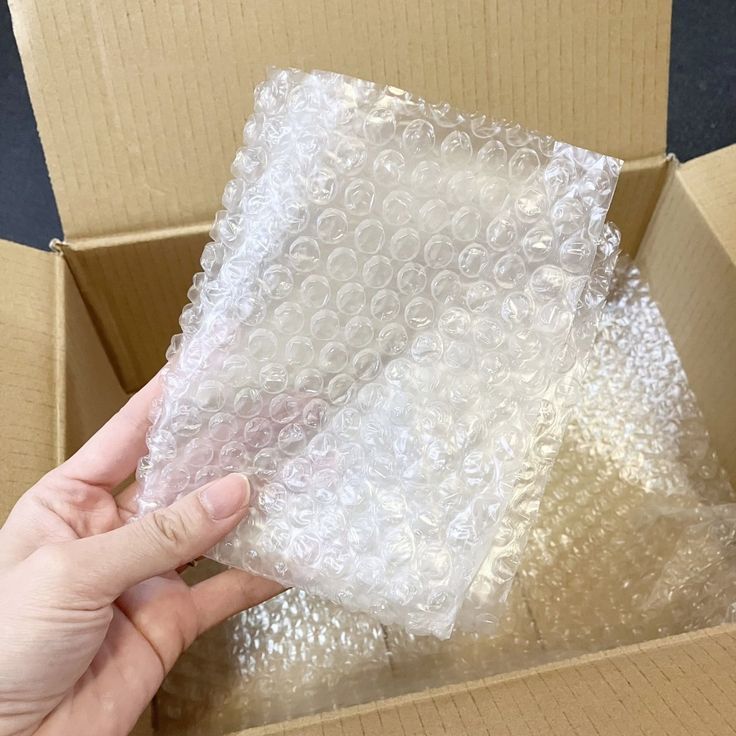
- The fat cells swell up enormously. They become large, swollen, and inflamed. They do not increase in number as happens when you gain weight. The number stays the same, but they become large and inflamed.
- In lipedemic tissue there are many more mast cells (immune system cells that release inflammatory substances) than normal. And they are always active: they continuously release histamine, creating a constant low-grade inflammation.
- Fluids leak out of the capillaries (the smallest blood vessels) and accumulate between the cells (between the bubbles of the bubble wrap). The lymphatic system that should drain them is overloaded, cannot keep up with everything, and is progressively compromised.
- The connective tissue (the network of fibres immersed in a gel that wraps around and gives support to the skin, muscles, and organs in our body) around the fat cells thickens, becoming hard and rigid.
Imagine a soft wool sweater. The fibres are distributed regularly, the sweater is elastic; if you pull it, it stretches and then returns to its shape after a few seconds. Now imagine washing it in the machine at 90 degrees (I wish I could say it has never happened to me, but sadly it has). It shrinks, becomes small, rigid, and totally loses its elasticity. In lipedema exactly the same thing happens with the connective tissue.
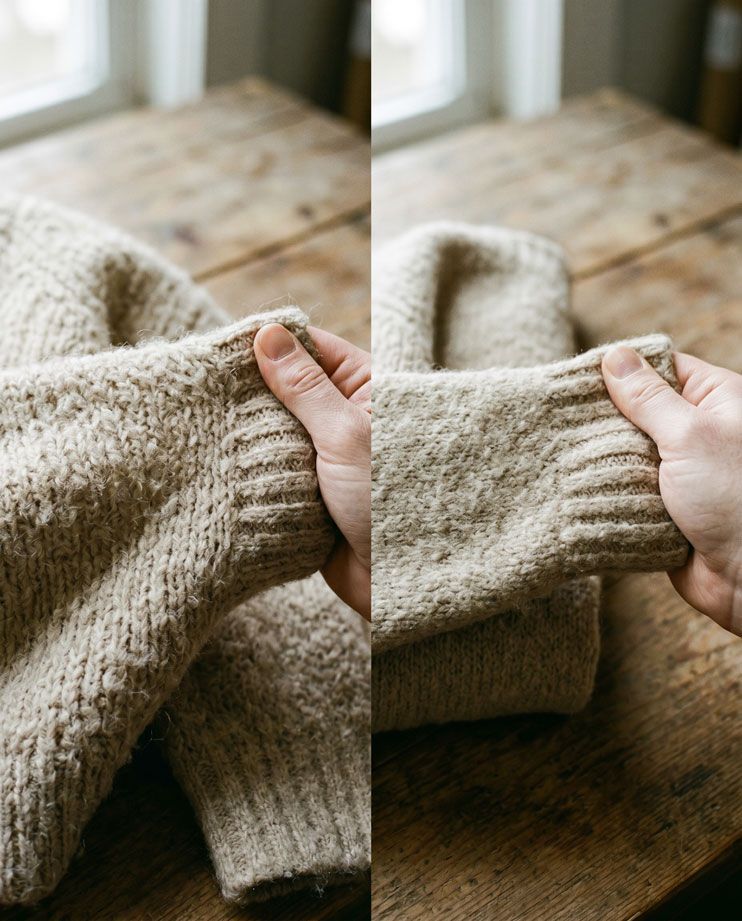
5. The nerve fibres in the dermis (the “threads” that run through the skin and communicate to the brain the sensations of heat, cold, touch, pressure, pain, etc.) become hyperactive. Stimuli you would normally not feel, such as light pressure or a small bump, turn into real pain and discomfort.
Symptoms of lipedema
And now we come to the part you have been waiting for: the 9 symptoms of lipedema (I promise that after reading the explanation of what lipedema is, they will make even more sense).
If you recognize yourself in 2 or more of these symptoms, I recommend booking a specialist appointment for a diagnosis.
I also talked about it in this reel on Instagram: you will also find photos for each symptom, so it is more immediate to understand what I mean.

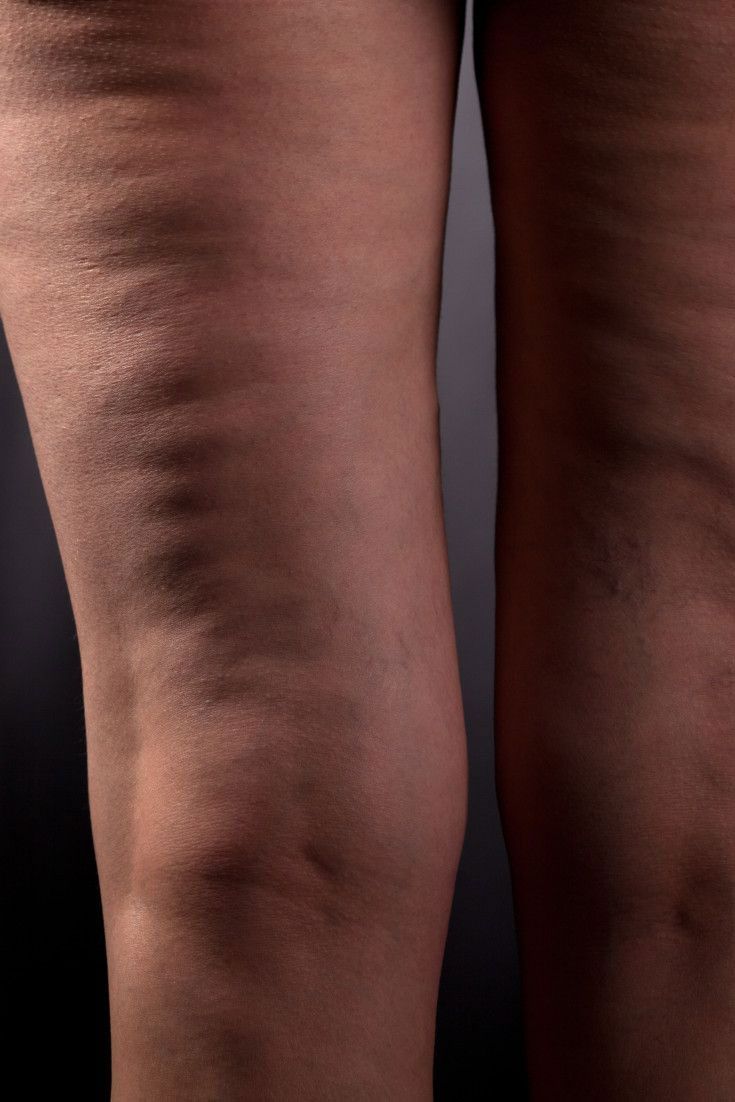
“Bag of marbles” skin. Pinch the skin of your leg: if it is not smooth but nodular (as if “full” of marbles), it is probably lipedema. It is one of the most characteristic signs. Try in different parts of the leg: on the sides of the thigh, on the inner thigh, and above the knees.
Pain to the touch even with only light pressure. As we have seen, in lipedema the nerve fibres become hyperactive. That is why, when you have lipedema and press on an area of “diseased” tissue, you feel pain. This pain is not “subjective” and you are not exaggerating: it is simply the reflection of the chronic inflammation of the adipose tissue.
A fat pad on the inner knee, just above the joint. It is one of the first signs to appear and tends to worsen over time. Technically it is called the “medial suprachondylar fat pad,” but among friends we call it the “fat pad on the inner knee.”
Frequent bruises for no apparent reason. You do not remember where you knocked yourself, but you are always covered in bruises, especially on thighs, calves, and arms. When you have lipedema you also have capillary fragility, and this is the result.
Restless legs syndrome: tingling, burning, heaviness in the legs that appear especially at night or after being on your feet or sitting for a long time. It is also a sign that venous and lymphatic circulation are struggling and that the lymphatic system is suffering.
Knock knees that collapse inward due to the accumulation of fat on the thighs.
Ankles that collapse inward (ankle pronation). The distribution of body weight changes the biomechanics of the feet, and the ankle tends to rotate inward.
“Column” legs with a barely visible knee. This is not always present and depends on the type of lipedema (I talk about it below), but often the legs take on a more cylindrical shape with the knees that “get lost.” However, in type 1 lipedema, which affects only the hips and buttocks, the legs may still appear normal.
The hands and feet are spared. They are never swollen and their appearance is always normal.
If you have recognized yourself in 2 or more of these symptoms, talk about it with a specialist (for example a phlebologist, an angiologist, or a vascular surgeon). The diagnosis is the first step to stop feeling wrong and to understand what is really happening in your body.
The 4 types and 4 stages of lipedema
Lipedema is classified into types and stages.
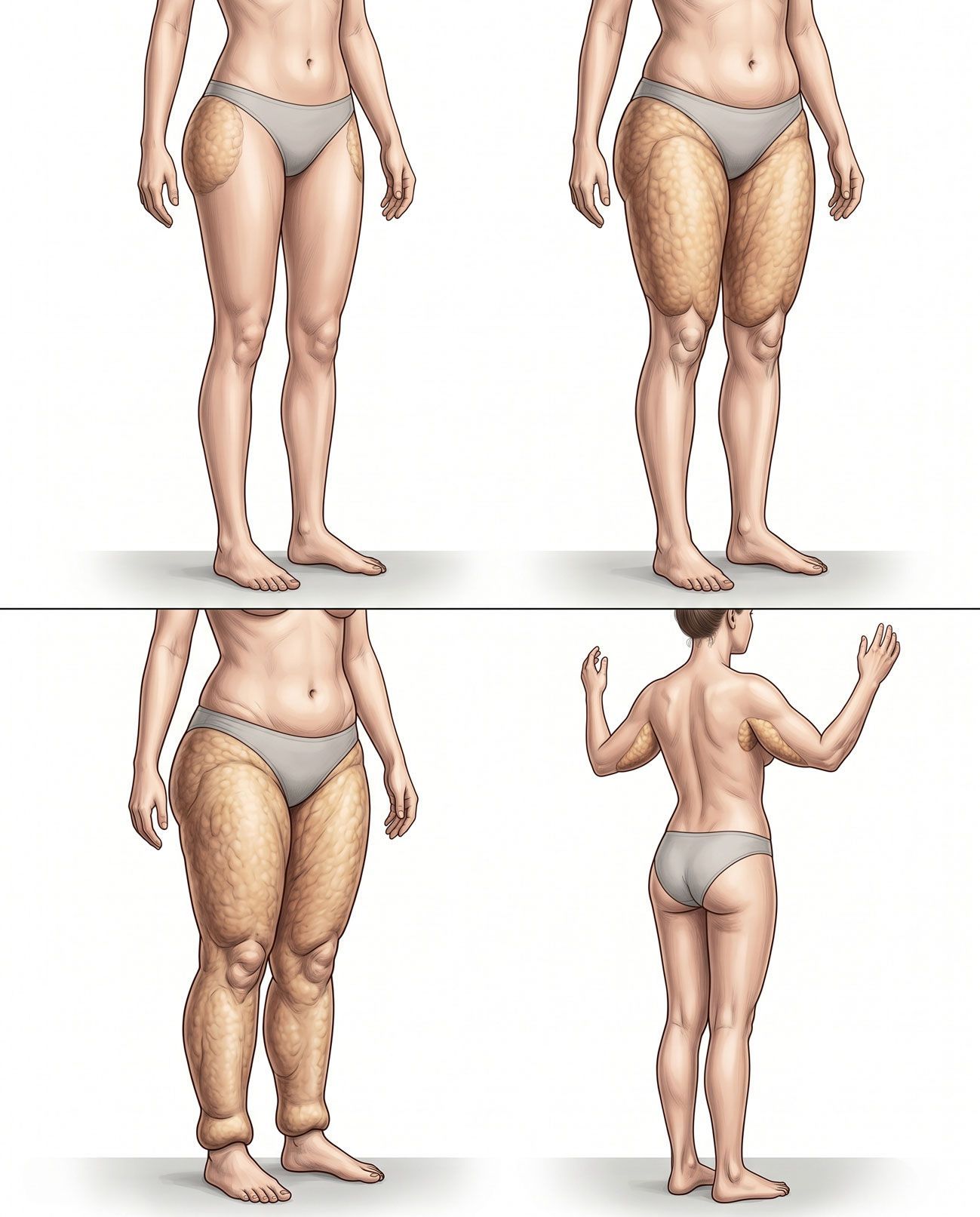
The types of lipedema indicate where the lipedemic tissue is located.
- Type 1: involves only the hips and buttocks.
- Type 2: from the hips to the knee.
- Type 3: from the hips to the ankles. In this one the “cuff sign” is typical, that is a “step” that is found between the ankle and the calf.
- Type 4: arms, in particular in the back of the arm above the elbow.
These types of lipedema can coexist, for example you might have a type 3 + type 4 (legs + arms).
The stages of lipedema instead tell you “where you are.” Lipedema is in fact a degenerative disease that worsens over time.
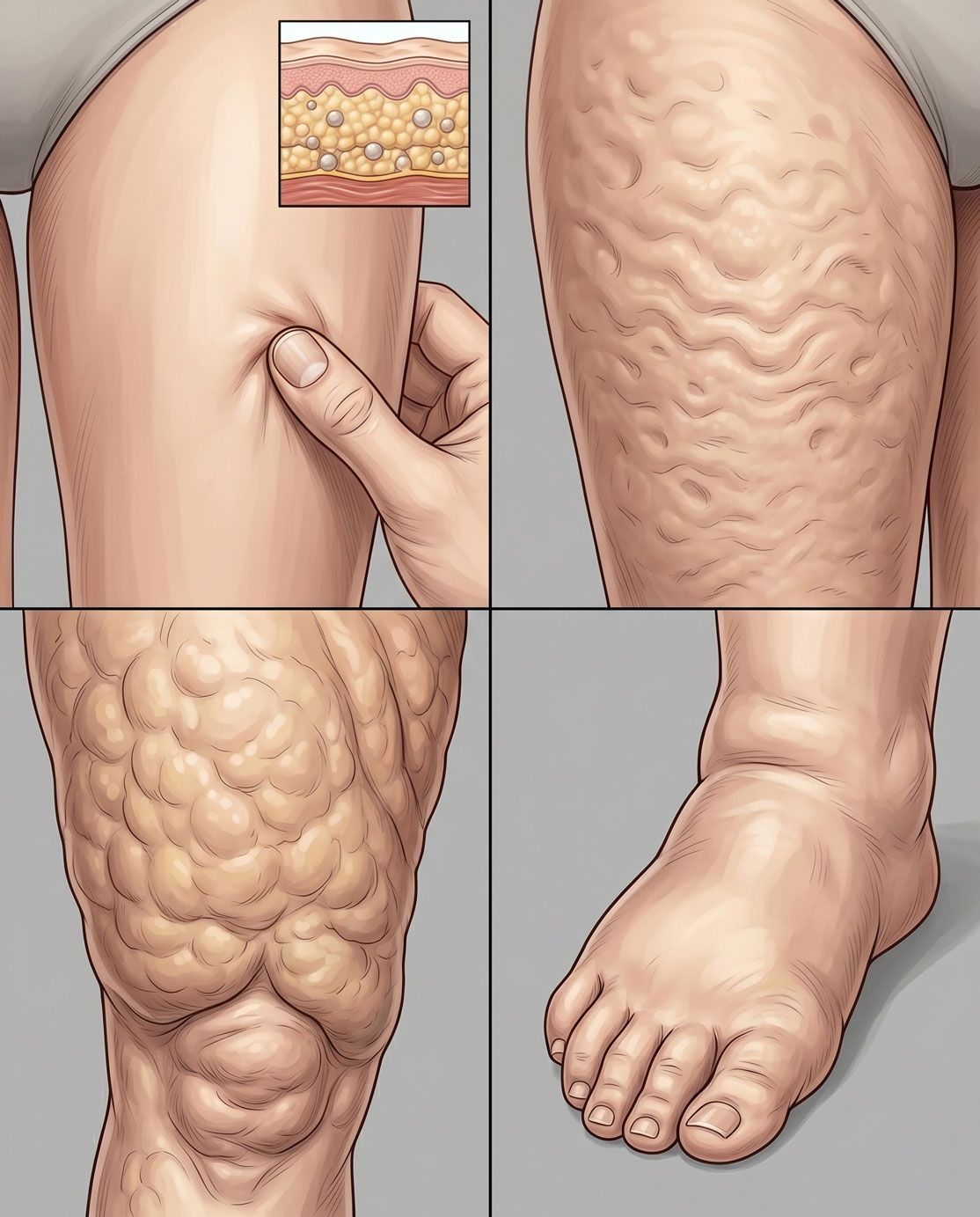
Four stages are identified, according to the level of severity:
- Stage 1: the skin is still smooth, but when you pinch the skin you feel the little nodules (“bag of marbles”).
- Stage 2: the skin begins to show visible irregularities, “dimples” and undulations form.
- Stage 3: the skin becomes very irregular, significant skin folds and protruding accumulations appear.
- Stage 4 (lipo-lymphedema): it becomes associated with lymphedema, with significant swelling also in the feet and hands.
Knowing what stage you are at helps you understand how urgent it is to intervene and with what approach.
In the early stages (1 and 2), working on nutrition, drainage, and appropriate movement can dramatically change the situation. In the advanced stages, on the other hand, it is harder: you can improve, but surgery might also be necessary.
A brief aside on surgery: lipedema can come back even after surgery, since it is a pathology of the body. That is why, also and especially in the case of surgery, it is essential to work on drainage, specific movement, and appropriate nutrition.
The causes: what we know (and what we don’t)
To date the precise causes of lipedema are still not entirely clear, but some recurring patterns have been recognized:
-
Genetics
It is complex but I will try to explain it simply. The most studied gene in reference to lipedema is called AKR1C1. We all have this gene and its job is to code for an enzyme that “deactivates” a part of progesterone. It is a physiological process that is useful for the human body. The problem is that women with lipedema have a mutation of this gene: the enzyme is hyperactive (that is, it works more than normal), so it “deactivates” too much progesterone and too quickly. The result is that progesterone in women with lipedema is less than it should be, and consequently there is a prevalence of estrogen.
-
The role of hormones
We come to the second point. The main female hormones (or at least the ones that interest us in this context) are estrogen and progesterone. These should be in balance with each other. But as we have seen, in women with lipedema with a mutation of the AKR1C1 gene, progesterone is “inactivated,” so you have what is called “estrogen dominance” (too much estrogen compared to progesterone). It is no coincidence that lipedema appears at moments of estrogen peaks such as puberty, pregnancy, or perimenopause. The estrogen peak is the real “trigger,” the spark that lights the fire. Without this trigger, the genetic predisposition would not have this effect.
-
The role of histamine
The picture is actually even more complex. Progesterone, besides balancing estrogen, also has a role in stabilizing mast cells and regulating histamine. But this is a complex topic that I will talk about another time.
-
Insulin resistance
A high percentage of women with lipedema also present insulin resistance, and it is one of the reasons why the nutritional approach plays such an important role.
Lipedema vs cellulite, lymphedema, obesity: how to tell them apart
There is a lot (too much) confusion about this. Let’s try to distinguish them simply.
Lipedema and cellulite
Cellulite is a condition of the dermis (the skin) and the subcutaneous layer that involves microcirculation, the lymphatic system, and the connective tissue. The medical name is “edematous-fibrosclerotic panniculopathy.” It usually concentrates on buttocks and thighs, the skin appears “orange peel,” and in the early phases it is soft to the touch and not painful. In the advanced phases it can develop small nodules, but it is rarely as painful as lipedema.
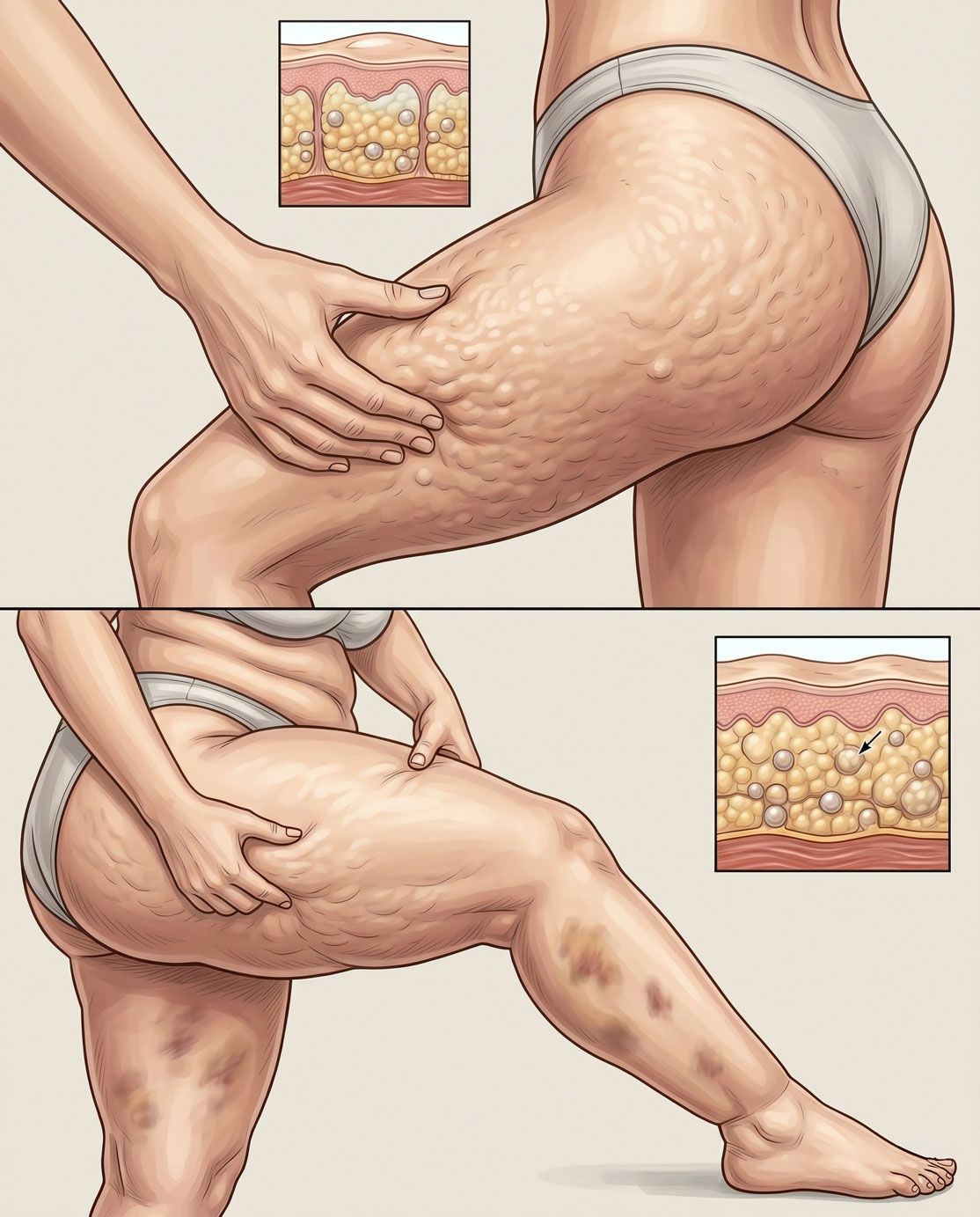
Lipedema, on the other hand, is a disease of the adipose tissue: when you pinch the skin you feel nodules (“the marbles”) even in stage 1, and above all it hurts to the touch; even light pressure can trigger significant discomfort. Lipedema is symmetrical, progressive, and often accompanied by frequent and unexplained bruises in the affected areas.
Lipedema vs lymphedema
Lymphedema is an abnormal accumulation of lymph in the tissues due to a lymphatic system that does not work correctly. It often affects only one leg (whereas lipedema is symmetrical, appearing on both sides) and includes the feet (whereas lipedema generally spares hands and feet, except in stage 4 where we speak of lipo-lymphedema).
Lymphedema is a disease of the lymphatic system; lipedema is a disease of the adipose tissue (fat).
Many times lymphedema appears following surgical operations or after radiotherapy.
Lipedema vs obesity
Obesity is an accumulation of adipose tissue (fat) distributed throughout the body, which responds well to a caloric deficit: with diet and physical activity it is reduced, even if it can require time and effort.
Lipedema instead is disproportionate (the legs are much larger than the rest of the body) and the lipedemic tissue does not respond well to diet and training (you have the impression of losing weight everywhere except in the legs). A person can be of normal weight and have lipedema.
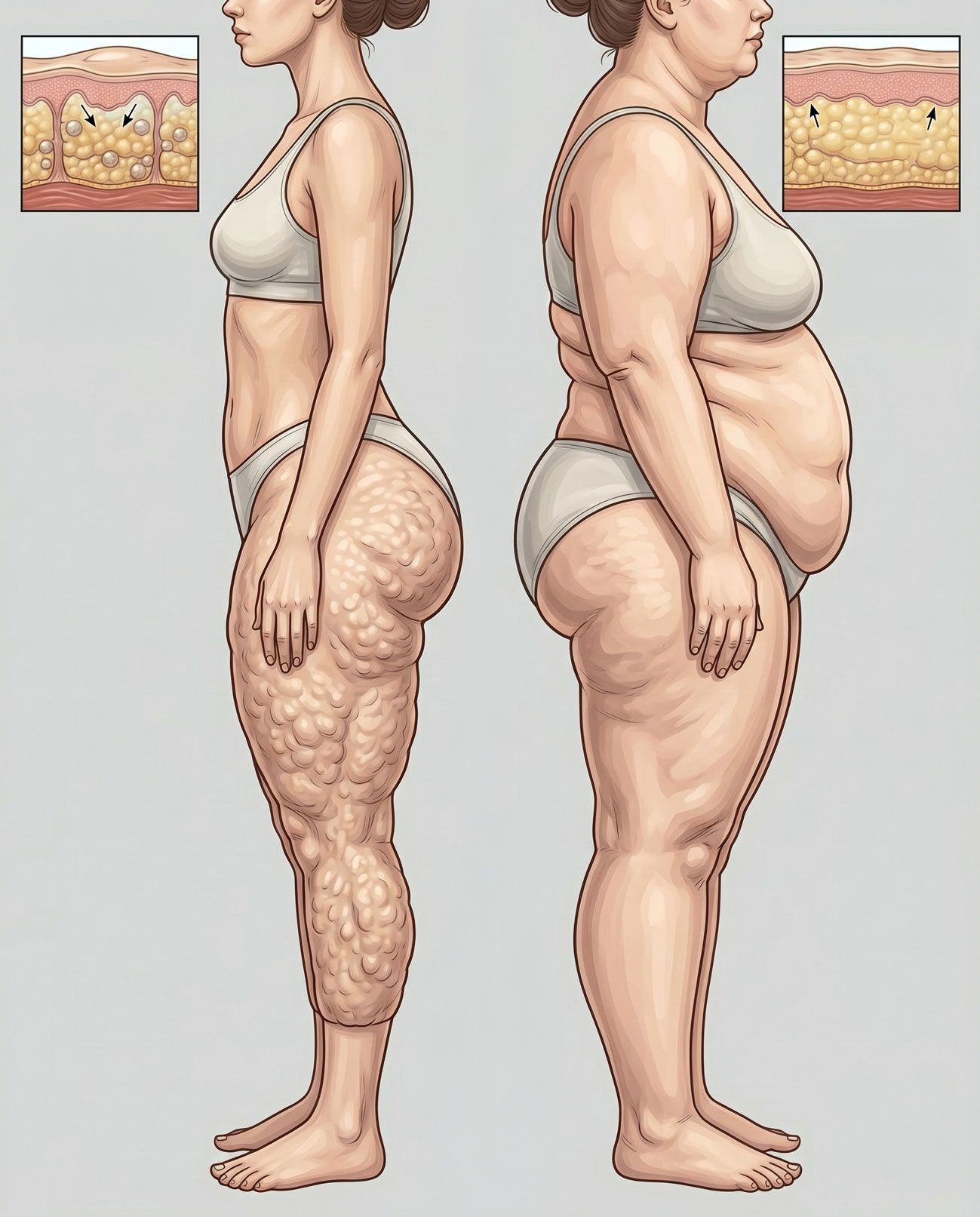
Lipedema and obesity can obviously coexist; one does not exclude the other.
Why Lymphatic Drainage Pilates is ideal for lipedema
Now that we have understood what lipedema is, we can understand why Lymphatic Drainage Pilates is one of the most powerful tools for managing it.
It is not marketing, it is biology. I will explain it to you point by point.
It activates the lymphatic system in a specific way
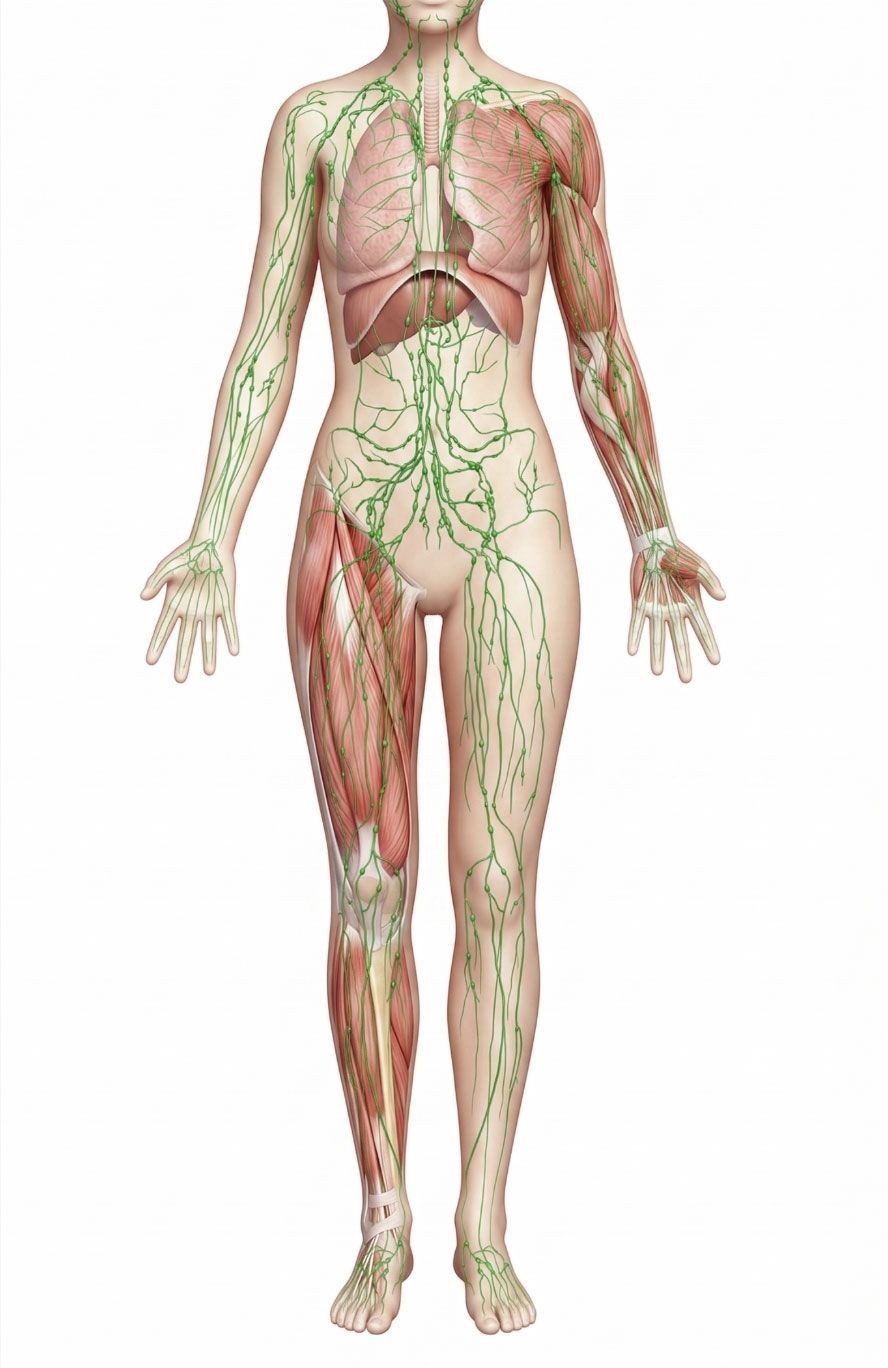
The lymphatic system is the body’s purification system: it collects excess fluids and waste from the tissues and transports them toward the lymph nodes where they are filtered. But unlike the blood system, the lymphatic system does not have a heart pumping it. It moves thanks to three things: the contraction of the muscles around the lymphatic vessels, breathing, and joint mobility.
When a muscle contracts, it compresses the nearby lymphatic vessels and pushes the lymph. When the muscle relaxes, the lymphatic vessels fill with fluid again. And in Lymphatic Drainage Pilates we do exactly this: every muscle contraction pumps the lymph toward the lymphatic stations. The entire session is designed to maximize precisely this mechanism.
But not only that.
The thoracic duct is the largest lymphatic vessel in the body: it starts from the cisterna chyli (a small “collection tank” located behind the stomach), crosses the diaphragm (the breathing muscle), rises through the chest, and ends at the base of the neck where it returns the lymph to the blood.
Every time you breathe deeply with the diaphragm, this (the diaphragm) moves rhythmically: it lowers during inhalation and rises during exhalation. This movement “pumps” the thoracic duct like a vacuum cleaner: it “sucks up” the lymph from the lower part of the body and pushes it upward.
Lymphatic Drainage Pilates is not random movement: every exercise is coordinated with the breath. And every single repetition of every single exercise stimulates the diaphragm and pushes the lymph toward the thoracic duct. It is literally an internal massage you do with your breath.
In the app you will find a specific class called Unblock the diaphragm and drain, which I created precisely to improve diaphragmatic breathing (often blocked in many women). Using a Pilates ball, we learn to release the diaphragm and improve breathing and drainage. It cannot be followed during pregnancy.

It is low impact
Many women with lipedema think they need to train more, and especially more intensely, to get results. And often they start running or choose workouts with jumps in an attempt to burn more calories and slim their legs.
But as we have seen, lipedema does not react to a caloric deficit and needs a different approach. The reality is that running and high-impact training (which means “with jumps”) can worsen lipedema.
The reasons are various:

The impact with the ground. Beneath our foot there are many muscles that function like a real sponge. Every time we walk, these muscles compress and empty the blood and lymphatic vessels, pushing lymph and blood upward. In running and jumping this mechanism is lost: the impact with the ground is too violent and too fast, and the plantar “sponge” cannot do its pumping job. The result: instead of draining, it accumulates.
The rise in temperature. When body temperature rises above 38-39°C, as often happens with high-intensity workouts, heavy weights, or prolonged running, the body produces histamine in the muscles themselves. For a healthy woman this is not a problem. For a woman with lipedema, where the mast cells are already hyperactive and histamine is already in excess, it is fuel on the fire.
Acute inflammation. When you train at high intensity, the body produces inflammatory substances such as cytokines and free radicals and lowers the local pH in the muscles. In a healthy woman this is a transient, physiological inflammation that the body manages without problems. In a woman with lipedema, where there is already a low-grade chronic inflammation, this acute inflammation adds to the one already present. It is like adding wood to a fire.
Prolonged vertical load. When you stand, gravity carries blood and lymph downward. The blood and lymphatic vessels have to work against gravity to bring them back up. During running and jumping workouts, the body is in a vertical position for long periods and the lymphatic system is under constant stress. For a woman with lipedema, in whom the lymphatic system is already overloaded, this further aggravates the situation. Pilates Linfodrenante® instead alternates standing exercises with inversion exercises (with the feet higher than the pelvis) to favour venous and lymphatic return.
If you feel your legs particularly heavy, I recommend trying the Light Legs in 10 minutes class: a short session with the legs up the wall that you can do every evening to debloat and drain. It is very relaxing and 10 minutes really is enough.
It lets you build muscle mass without stressing the body
Muscle mass is very important for those who have lipedema. More muscle means:
- a more efficient lymphatic pump (as we have seen, the muscles function as a pump for the lymphatic system)
- more joint stability to protect knees and ankles that are often overloaded by the weight of the lipedemic tissue
- a more efficient metabolism.
But training with heavy weights is not the solution: it creates inflammation, raises body temperature and causes the production of more histamine, increases the compressive loads on joints that are already often overloaded by the weight of the lipedemic tissue, mechanically compresses the blood and lymphatic vessels in several points (preventing correct venous and lymphatic return), and takes place in a vertical position, where gravity works against the lymphatic system.

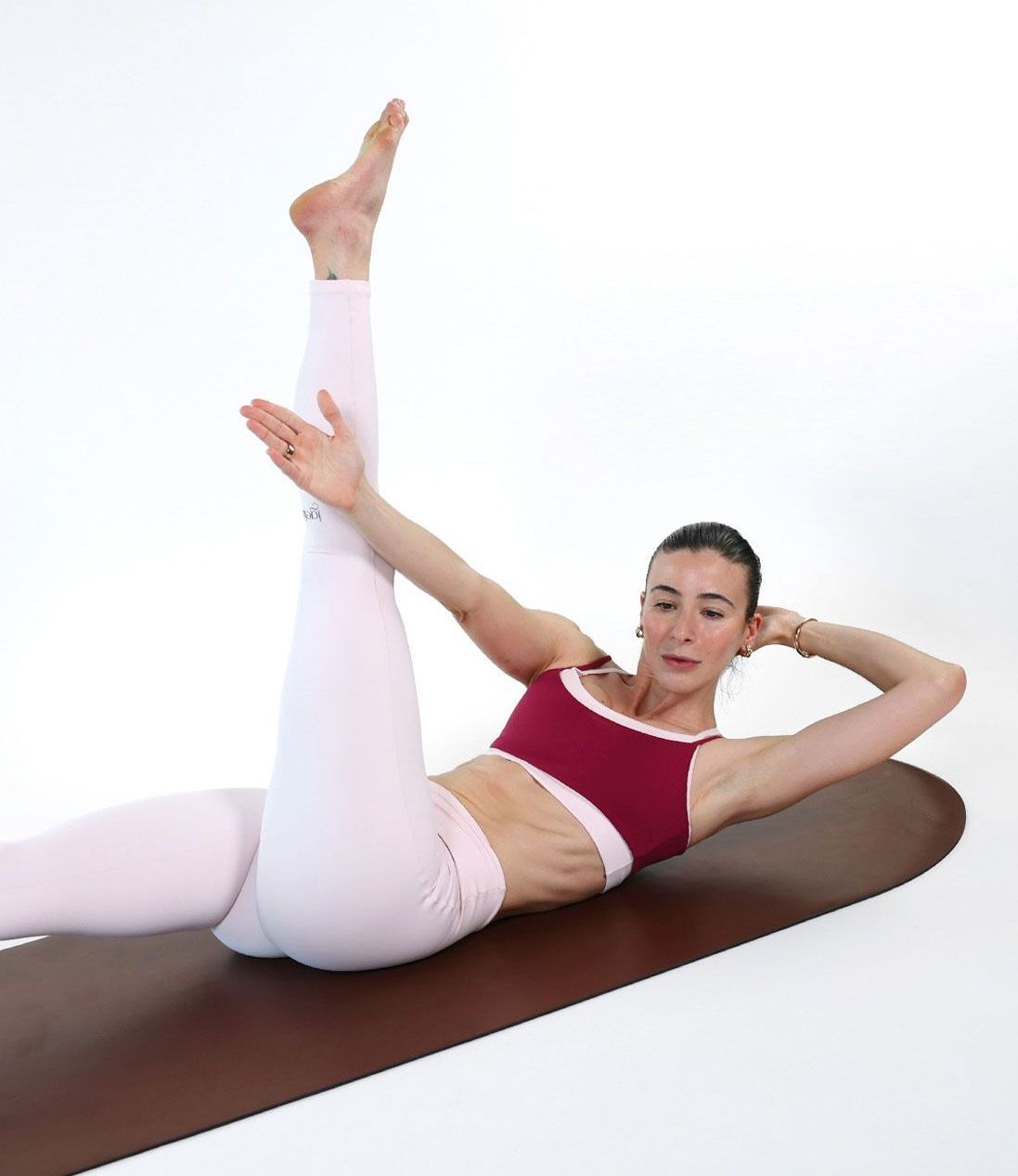
Lymphatic Drainage Pilates allows you to build and maintain “quality” muscle mass: toned, functional, stabilizing musculature, using your own body weight, isometric resistance, and controlled contractions.
It builds muscle progressively, respecting the lymphatic system and without creating the excessive lactic acid and mechanical stress typical of weights.
The contractions are slow, deep, controlled; the deep fibres of the muscles are activated and you tone without inflaming.
In addition, by working specifically on the deep muscles that stabilize the body (such as the transverse abdominis, the gluteus medius, the muscles of the foot, the hip flexors), Lymphatic Drainage Pilates improves posture and the alignment of the legs. I talked about it in this article dedicated to posture.
This is extremely important: the weight of the lipedemic tissue tends to create knock knees (the knees giving way inward) and foot hyperpronation, which in the long run cause joint pain and incorrect biomechanics.
It lowers cortisol
I am sure you have already heard of it. Cortisol is the stress hormone. It is produced by the adrenal glands and is essential for survival. It is the hormone that wakes us up in the morning, provides us with energy, and allows us to react to dangers.
Cortisol physiologically should be high in the morning and lower during the day, until it is at its minimum in the evening. The problem arises when cortisol stays chronically high, all day.

This unfortunately happens more and more often in modern life: little sleep, stress at work, the stress of children, workouts that are too intense, inflammatory food, the blue light of the phone, constant worries, and so on.
Do you recognize yourself? It is likely that your cortisol is high.
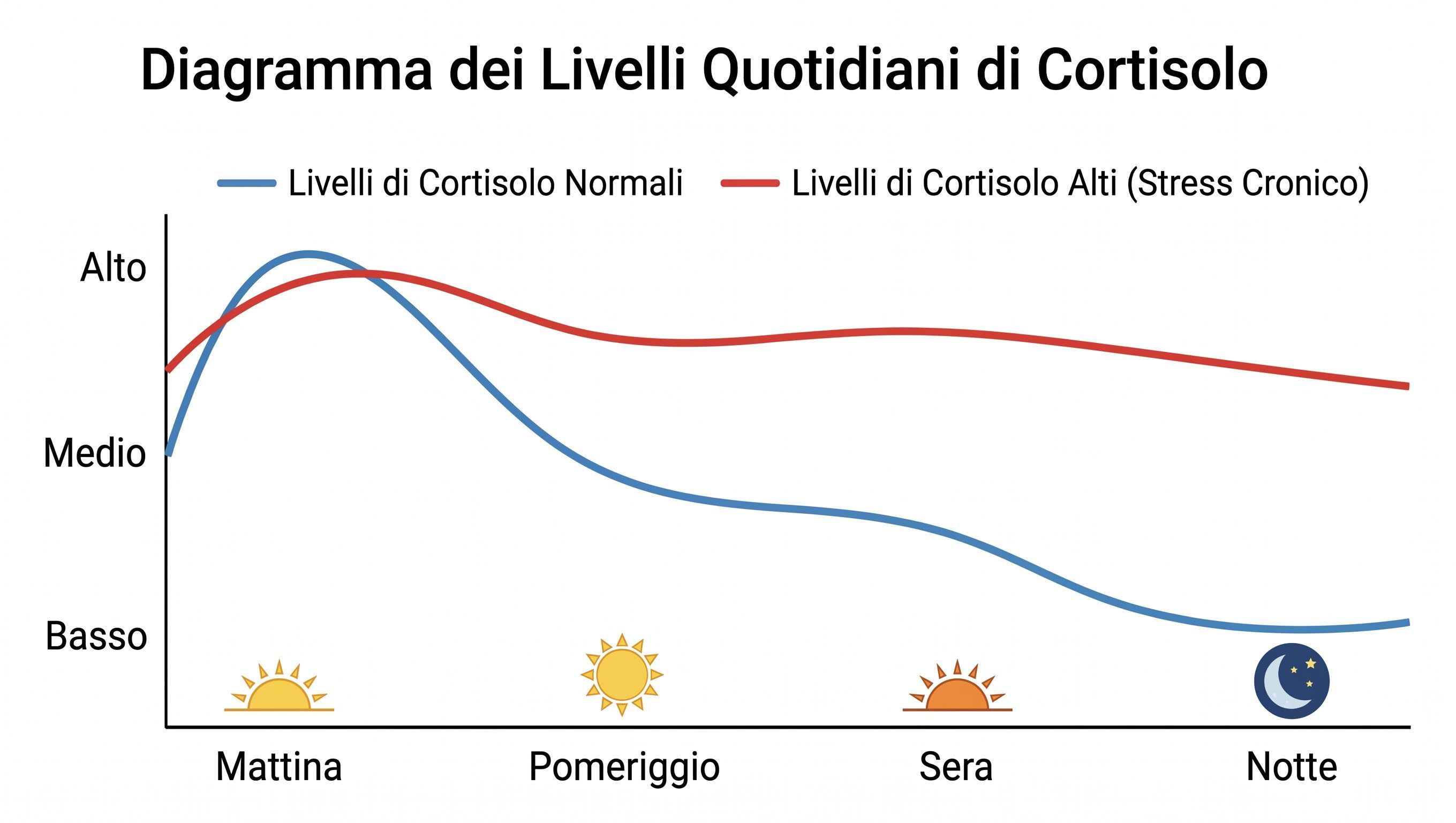
Why is cortisol important for those who have lipedema?
For three reasons:
It increases inflammation: chronically high cortisol feeds the low-grade inflammation already present in the lipedemic tissue.
It promotes water retention: it acts on the kidneys and favours the retention of sodium and water. For a woman with lipedema, in whom the tissues already tend to be edematous (“swollen”), this worsens the swelling.
It favours the accumulation of fat: high cortisol pushes the body to store fat and influences its distribution, favouring disproportionate accumulations.
Workouts that are too intense (HIIT, with heavy weights, running, etc.) increase cortisol. Every session is a further stress for a body that is already stressed in itself, and cortisol rises to manage it. If you train intensely several times a week, sleep little, live under stress, and never recover, cortisol stays chronically high.
And this is why so many women with lipedema tell of having trained for years without seeing results on their legs (indeed very often worsening the situation). If you too recognize yourself, let me tell you: it is not your fault, you did not know, but you were feeding the problem instead of solving it.
Lymphatic Drainage Pilates does the opposite.
The deep, rhythmic breathing, the controlled movements, the absence of intense mechanical stress, activate the vagus nerve and the parasympathetic system (the one you also activate when you breathe deeply or meditate).
Cortisol lowers. The body can finally shift from a state of chronic alert to a state of drainage and relaxation. It is the optimal physiological condition in which lipedema can actually improve.

It is sustainable over time
Lipedema is a chronic disease. It is not resolved with a month of treatment or with a massage every now and then.
It needs constant care, every single day.
The movement therapy must be:
- Daily or almost: did you know that for the lymphatic system it is better to move a little every day than a lot twice a week? I talked about it in this dedicated article.
- Sustainable: even when you are tired, have little time, are travelling, or after a difficult day.
- It must not require specific equipment or particular knowledge.
- Adaptable to the different phases of life such as pregnancy, postpartum, and menopause. As we have seen, for example, pregnancy is one of the moments when hormones change the most, and this can worsen lipedema. Stopping movement at this time might not be a wise choice (obviously with the gynaecologist’s approval and choosing the Journey designed for pregnancy, Lymphatic Drainage Pilates Pregnancy, which adapts week by week to your body). If you want to go deeper, I wrote an article dedicated to Pilates in pregnancy.
Manual lymphatic drainage is effective, but it requires the intervention of a professional, is expensive, you would hardly be able to do it every day, and yes it helps you drain, but not tone.
Lymphatic Drainage Pilates is the active, daily version of the same principle. Think of it as a lymphatic drainage massage that you do with your body and that integrates toning, posture improvement, and breathing. You can do it at home, with little space, and continue for years, getting results.
If you have the possibility of combining it with periodic sessions of manual lymphatic drainage, even better. They are two complementary tools, both excellent for those who have lipedema.
I summarized the main things to do if you have lipedema in this reel on Instagram, if you want a quick recap to save.
Recap
Lymphatic Drainage Pilates works on lipedema on five fronts at the same time:
- it activates the lymphatic system
- it respects the mast cells and inflammation (it is low impact)
- it builds functional musculature without stressing the body
- it lowers cortisol
- it is sustainable for a whole lifetime without particular equipment
It is exactly the kind of approach that is needed when you have a chronic disease: effective, gentle, daily, working with your body without straining it.
Where to start
If you want to start right away, these are the Journeys I recommend you follow:

Lymphatic Drainage Pilates Beginners
It is the introductory journey for those who have never done Pilates before. We start from the basics and progressively become stronger. An excellent starting point for those who have lipedema (better to start gradually to avoid inflammation).
Lymphatic Drainage Pilates
It is the heart of the method. It lasts 6 months and combines Lymphatic Drainage Pilates sessions with walks and lifestyle advice to tone and drain.
Lymphatic Drainage Pilates Express
Perfect for those who have little time and a busy, demanding life. 15 minutes of Lymphatic Drainage Pilates a day, the same results as the basic journey.
Lymphatic Drainage Pilates Pregnancy
For those who are pregnant but do not want to give up taking care of themselves.
You will find all the Journeys on my Traininpink app. Start the free 7-day trial and if after 30 days you are not satisfied, you can take advantage of the Satisfied-or-refunded guarantee. No questions asked.
This does not mean it is a magic potion. It is not, and I do not want you to think that.
Lipedema has no magic solutions. It is a complex, multifactorial, little-known disease. Anyone who tells you that all you have to do is “do x” to cure lipedema is not telling you the truth. Not even surgery, on its own and without changes in daily life, is decisive.
But Lymphatic Drainage Pilates is probably the most suitable movement for those who have this condition.
And it has another advantage that is often forgotten: it is good even when you do not have lipedema. It drains, debloats, tones, rebalances the nervous system, improves posture.
It is the kind of movement designed for the female body that all women should do to take care of their body effectively and in a way that respects their own physiology.
This article has become very long, I did not expect it.
If you have made it this far reading, thank you.
And know that you are not alone.
Very many other women feel what you feel. And many have started to take care of themselves and are feeling better.
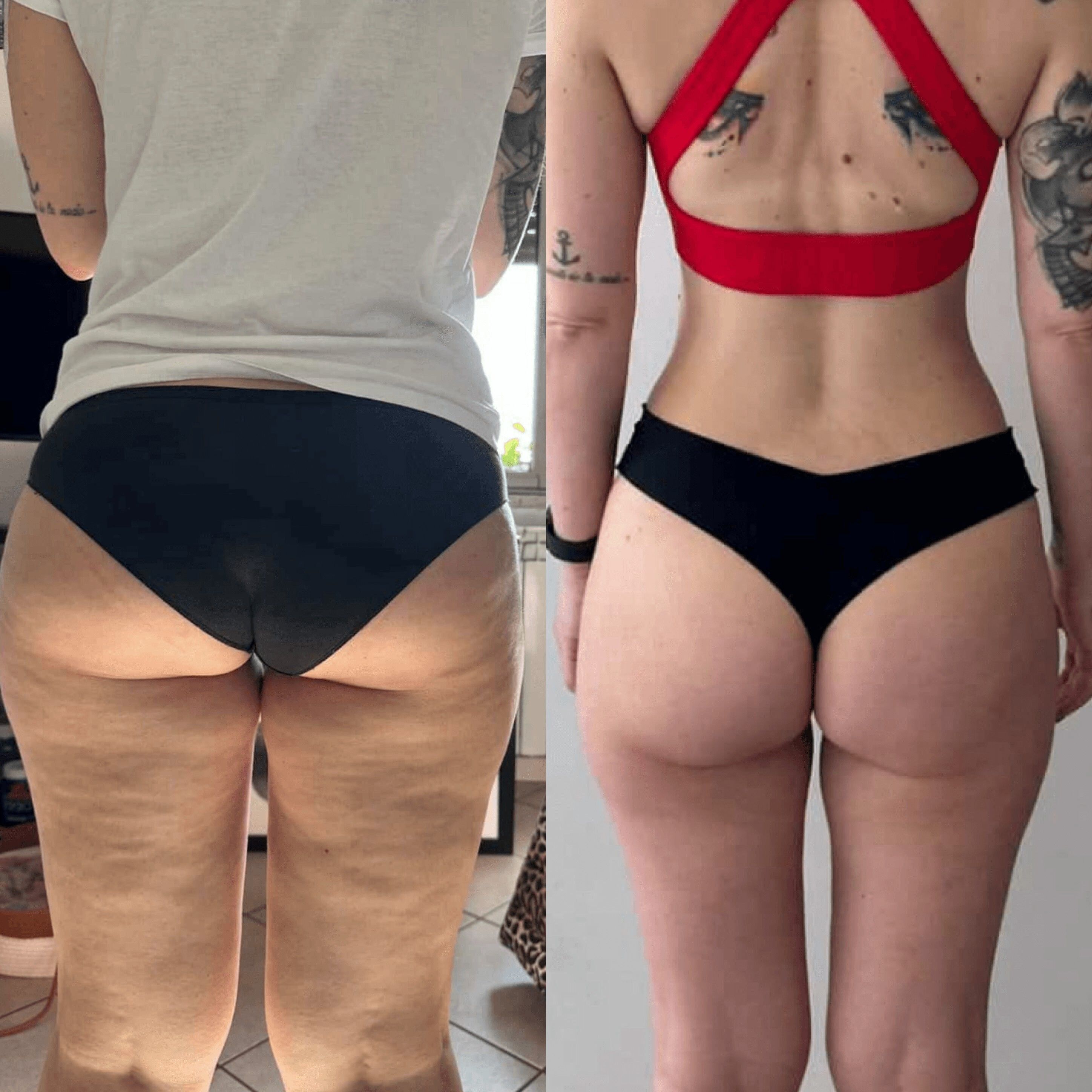
Know that a great deal can be done to feel better, even when nothing seems to work and everything seems impossible.
Frequently asked questions
Can lipedema be seen with the naked eye?
Not always.
In the early stages (1 and 2), the legs can appear normal and not excessively disproportionate compared to the rest of the body. The first signs are felt to the touch (try pinching the skin: the “bag of marbles” skin is very indicative, along with pain on pressure and frequent bruises for no apparent reason) before they are visible.
This is why (and because it is a still little-known condition) many women receive the diagnosis late. If you have symptoms but do not yet notice visible changes in your legs, it does not mean it is not lipedema: it means you are probably at stage 1.
I would still recommend having a specialist appointment. The sooner you discover that it is lipedema, the easier it will be to keep it from progressing.
Can you recover from lipedema?
Honestly: there is no definitive cure today.
Lipedema is a chronic condition. What you can do is
stop the progression
significantly improve symptoms and the appearance of the skin and affected areas through an all-encompassing approach (appropriate movement, anti-inflammatory nutrition, drainage, compression).In the more advanced stages, surgery for lipedema can remove the diseased tissue, but even after surgery lipedema can come back if the correct habits are not maintained.
The good news: you can live well with lipedema. You can improve the appearance of the legs. You can reduce the pain. You just need to know how and what to do.
Can I do sport if I have lipedema?
Yes, in fact: movement is one of the pillars of treatment. But it must be the right kind of movement: low impact, controlled, with a focus on circulation, drainage, and breathing (Lymphatic Drainage Pilates, swimming, walking on a slight incline, mobility sessions).
To be avoided, on the other hand: intense running, HIIT with jumps, workouts with heavy weights, spinning, any activity that raises body temperature a lot or creates acute inflammation.
Is lipedema hereditary? Is my daughter at risk of having it?
Yes, there is an important genetic component.
If in the family (mother, sister, aunt, grandmother) there are women with lipedema, the risk is significantly higher. The studies speak of familial patterns in over 60% of cases.
This does not mean your daughter will necessarily have it, but it is good for her to know so she can recognize any symptoms early and intervene right away, especially at moments of hormonal change (puberty, pregnancy, perimenopause).
How long does it take to see results with Lymphatic Drainage Pilates?
It depends on the stage and on consistency.
Many women already notice, in the first weeks, a reduction in swelling and a feeling of lighter legs. This is because lymphatic drainage responds quickly to movement.
The more structural changes (changes in the appearance of the skin, reduction of the lipedemic adipose tissue, alignment of the legs) require more time: at least 6 months of consistent practice.
Lipedema is a chronic condition and results come with continuity, not with intensity. I will not deny it: if you have lipedema, it takes a lot of patience.
Can I follow Lymphatic Drainage Pilates during pregnancy too if I have lipedema?
Yes, but in this case you must follow Lymphatic Drainage Pilates Pregnancy, which is designed specifically for this moment in a woman’s life and adapts week by week to the changes in your body.
Pregnancy is one of the moments of greatest hormonal change and can worsen lipedema: stopping movement could worsen the situation further.
An important clarification: every pregnancy is different and can have different complications. Before starting, always talk about it with your gynaecologist.
Can I avoid surgery if I intervene early?
In the early stages (1 and 2), a consistent, all-round approach (targeted movement, anti-inflammatory nutrition, drainage, compression, daily walks) can stop the progression and significantly improve symptoms without resorting to surgery.
The later you intervene, the more likely it is that surgery will become a necessary option. This is why recognizing the symptoms early and starting to take care of your legs is the most important thing you can do today.