Hair falling out or breaking? It’s (often) a matter of micronutrients
When it comes to hair, I can say I’ve tried it all.
Let’s do a quick recap.
Four years with pink hair. A few months with grey hair. Then platinum blonde. Then pink again. Finally dyed dark brown.
Now my hair is back to its natural color, and little by little I’m trimming away the previously colored parts.
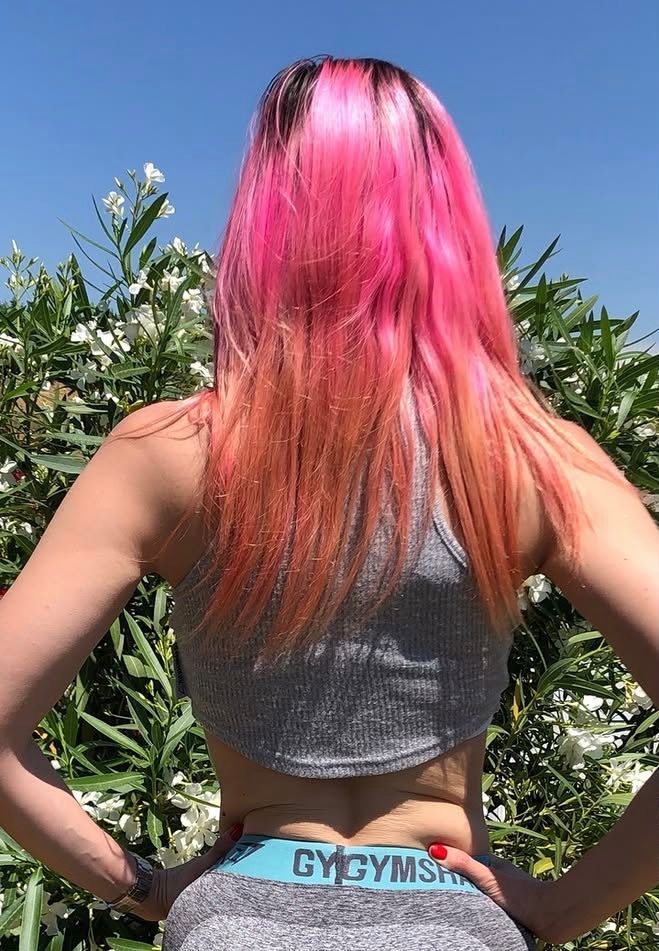
As you can imagine, my hair hasn’t had an easy life. In 2022 I found myself with brittle, ultra-thin, dull hair.
I decided to take care of it “from the inside,” because products, on their own, are often not enough.
Why hair is the first to suffer
Let’s start with the basics.
Your hair, as beautiful as it is, is not essential for your survival. You could live perfectly well bald. And your body knows this.
That’s why, when it’s short on nutrients, sleep, or energy, your hair is the first to suffer. Your body simply cuts back its resources there and reroutes them toward things more essential for survival.
Imagine your paycheck: when it’s running low, you spend on essentials and try to avoid “unnecessary” expenses. It works exactly the same way.
So, when your hair starts falling out, gets thinner, or breaks, your body is telling you it’s missing something. And that something is often micronutrients (vitamins and minerals) or protein.
The micronutrients that matter for hair
Don’t just take my word for it. A study published in Dermatology and Therapy in 2019 highlighted how vitamin and mineral deficiencies can be responsible for hair loss. In particular, deficiencies of iron, zinc, biotin, vitamins D and A, and selenium.

Iron
Low iron is one of the main causes of hair loss in women.
And iron deficiency is far more common than you’d think, especially if you have heavy periods or a diet that lacks variety. When iron is scarce, the body reserves it for vital functions like carrying oxygen in the blood and cuts it everywhere else, including your hair.
The most common hair-related symptoms are: diffuse shedding (you find hair on your brush, in the shower, in your hand…), finer, duller, or breaking hair, and slower growth.
But careful: an excess of iron can also cause hair loss, so it’s essential to measure it and understand your situation before taking any supplement.
Tests to get: a full iron panel (iron, ferritin, transferrin, saturation).
Iron-rich foods:
- Lean red meat
- Liver (very concentrated)
- Clams and mussels
- Egg yolk
- Legumes (lentils, chickpeas, beans)
- Spinach, chard, arugula, parsley
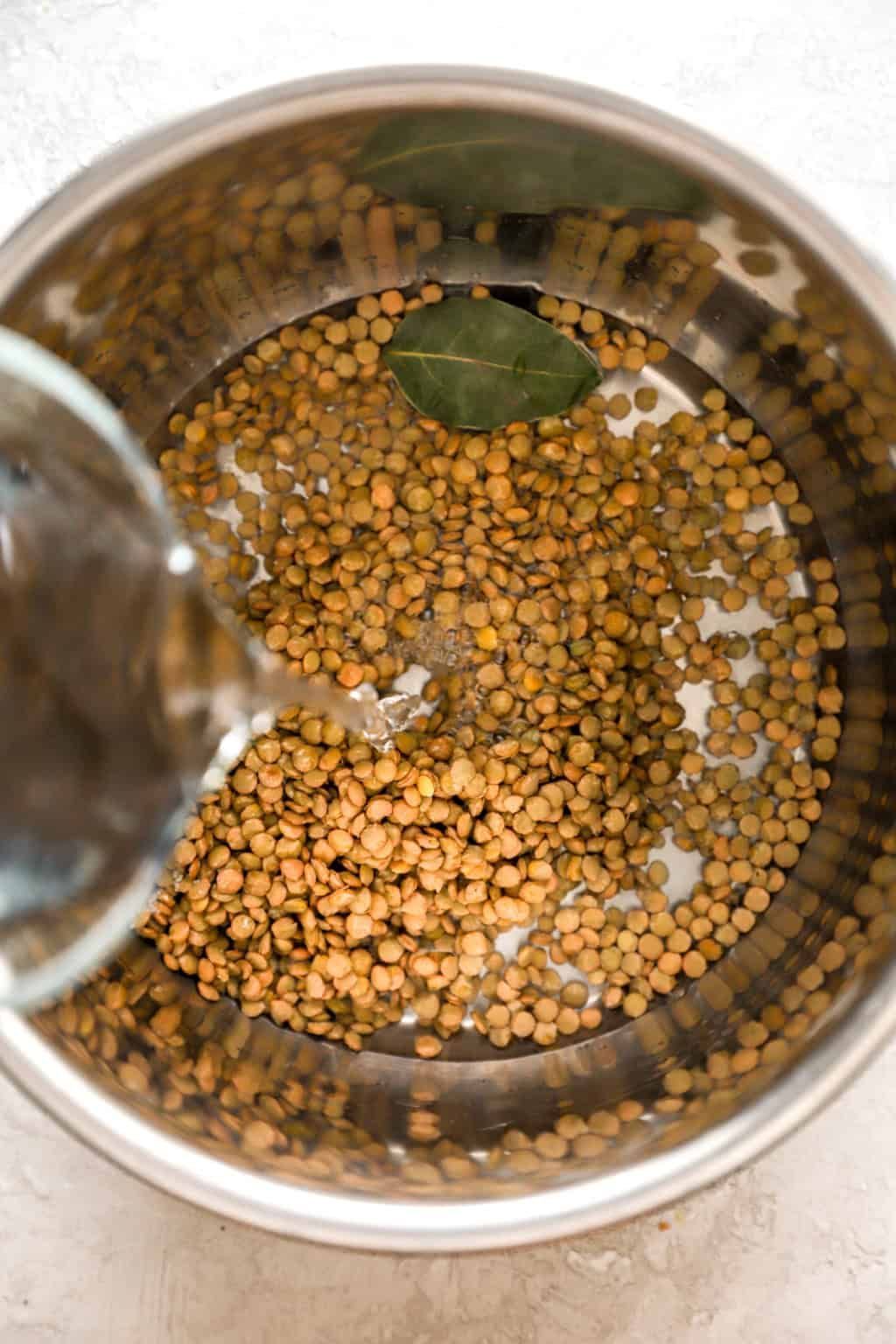
Careful: plant-based (non-heme) iron is absorbed less well. To improve absorption, pair it with a source of vitamin C in the same meal, for example lemon on your lentils or bell pepper alongside your beans. Always soak legumes before cooking (at least 10-12 hours) and discard the soaking water before cooking them, to reduce phytates.
Zinc
Zinc is one of those minerals few people appreciate, but it’s fundamental for our health, our immune system, and our hair (and nails).
The reason is simple: zinc helps the production of keratin, the protein hair is made of. When your zinc is low, you can experience hair loss, dry skin, and slow wound healing.
Tests to get: plasma zinc (more reliable than serum zinc).
Zinc-rich foods:
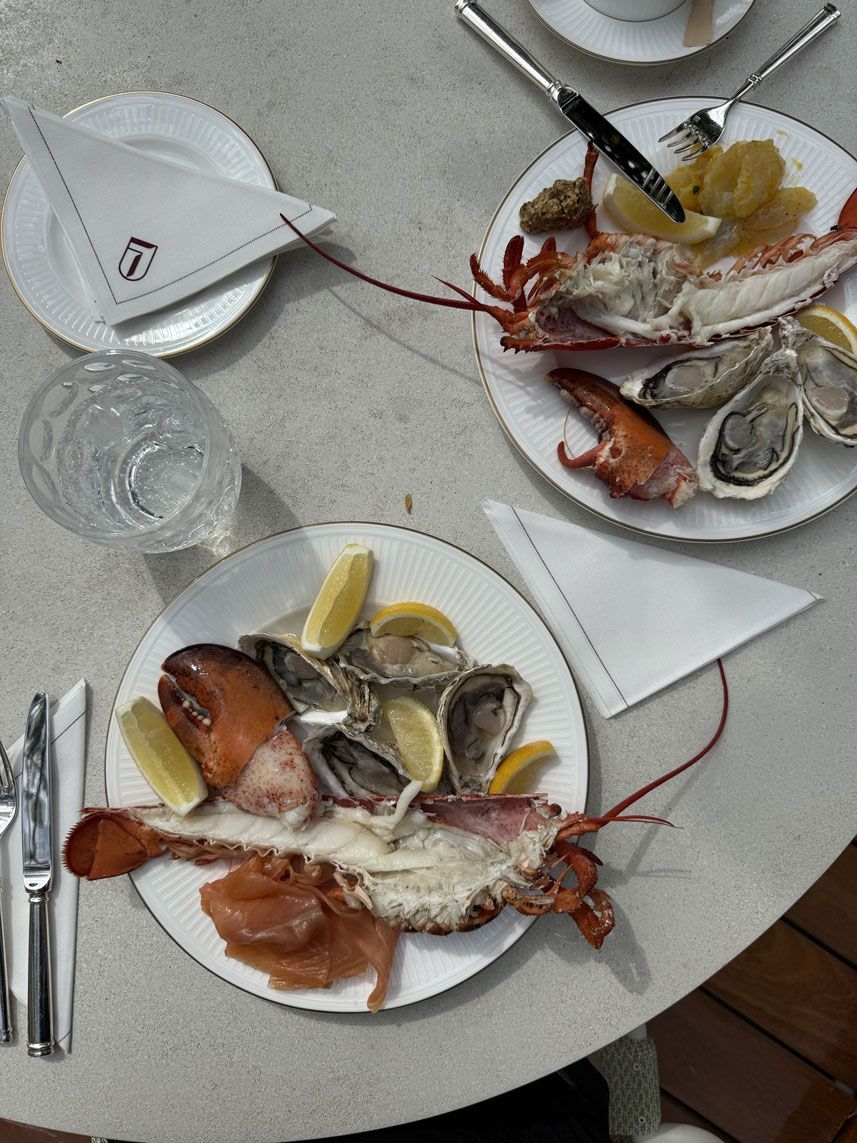
- Oysters are the single richest zinc food of all, up to 5 mg in one oyster. A true natural zinc supplement. Unfortunately, we rarely eat them every day 😅
- Red meat
- Pumpkin seeds
- Legumes
- Egg yolk
A tablespoon of pumpkin seeds a day (on yogurt, in a salad, or as a snack) is an excellent solution if you don’t eat meat or seafood regularly. One caveat, though: seeds contain phytates that compromise zinc absorption, so not all the zinc in pumpkin seeds will actually be absorbed by your body.
Biotin (vitamin B7)
When you see an ad for hair supplements, you usually find the claim “rich in biotin.” And biotin certainly matters, but it’s by no means the only micronutrient to consider for a full head of hair.
With a biotin deficiency, you often see significant hair loss, dermatitis around the nose and mouth, and tingling sensations.
The main sources are egg yolk and liver.
Biotin deficiency is very common in pregnancy: one study found that about a third of pregnant women develop a temporary biotin deficiency.
Tests to get: serum vitamin B7.
Riboflavin (vitamin B2)
Another B vitamin.
With a deficiency you can experience, among other things, hair loss, seborrheic dermatitis, an inflamed red tongue, and cracks at the corners of the mouth.
The best sources are organ meats, eggs, and dairy.
Tests to get: total blood riboflavin.
Vitamin D
The most common deficiency of all is vitamin D. And this too can lead to hair loss.
It has been shown that about 50% of women with “female pattern” hair loss (a progressive thinning that starts at the central area of the scalp) and 53% of women with “telogen effluvium” (a diffuse, sudden shedding, often triggered by stress, childbirth, illness, or a drastic diet) have a vitamin D deficiency.
Tests to get: 25(OH)D.
What to do: try to spend at least 30 minutes a day in the sun, and minimize processed foods.
Vitamin D-rich foods:
- Fatty fish like sardines and salmon
- Egg yolk
Vitamin A
In this case we’re not talking about deficiency, but excess: too much vitamin A can make your hair fall out.
Vitamin A is one of those vitamins to be careful with; absolutely do not take supplements unless you’re certain you have a deficiency (documented with blood tests). As for food, the only food truly rich enough in vitamin A to cause problems is liver. In that case, it’s best not to eat more than 100-150 g a week.
An excess of vitamin A generally causes hair loss, flaking skin, nausea, and headaches.
Selenium
Selenium is a bit like iron: both a deficiency and an excess of this mineral can lead to fragile hair and nails, with white spots and ridges.
Years ago it was discovered that a supplement sold in the United States contained 200 times the declared dose of selenium. Of the 201 people who had taken it, 72% experienced hair loss and 61% nail problems. And for many of them, the shedding continued beyond 90 days.
That’s why a blood test to understand your levels is essential before adding selenium-rich foods.
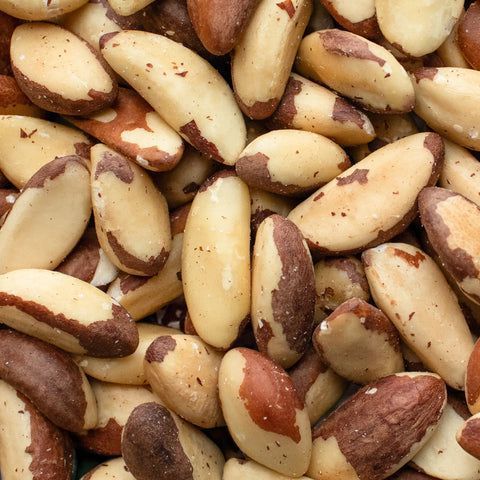
And there’s another problem: the richest food in the world in selenium is Brazil nuts. But the amount of selenium in each nut depends on the soil it grew in. A single nut can carry practically no trace of selenium, or far too much. A single nut!
Tests to get: plasma selenium.
Iodine
Iodine doesn’t actually have a direct effect on hair; it acts on the thyroid. Without iodine, the thyroid can’t produce enough hormones. And without those hormones, your hair suffers.
With an iodine deficiency, you see chronic tiredness, perpetually cold hands and feet, a puffy face on waking, and of course weak hair.
The best sources of iodine are fish, seaweed, and iodized salt.
Tests to get: 24-hour urinary iodine.
Protein
We’ve covered the micronutrients. But there’s also a macronutrient that plays a fundamental role in the health of our hair: protein.
The reason is simple: our hair is made mainly of keratin, which is a protein. If you don’t eat enough protein, your hair can’t rebuild itself.
A healthy adult woman should eat at least 1 gram of protein per kg of body weight per day. Easy example: you weigh 60 kg, you should eat 60 g of protein a day. That doesn’t mean 60 g of chicken breast, but 60 g of protein. For example, chicken breast has 23 g of protein per 100 g. If you wanted to cover your entire daily protein needs with chicken, you’d have to eat about 300 g of it.
If your goal is to lose weight and you’re in a caloric deficit, or if you train a lot, the amount of protein you need rises to 2-2.2 g per kg of body weight per day.
Personally, I don’t count the protein I eat. Or at least, not anymore.
Did you know it was one of my obsessions? I talked about it here.
But I make sure that each of my main meals contains a protein source. And that’s often enough, without obsessing over individual numbers.
Supplements: yes or no?
My personal philosophy is “food first, supplements later.” Meaning: first I try to meet my nutrient needs (macro and micro) through food. If I can’t, I use supplements as a last resort.
There are several reasons:
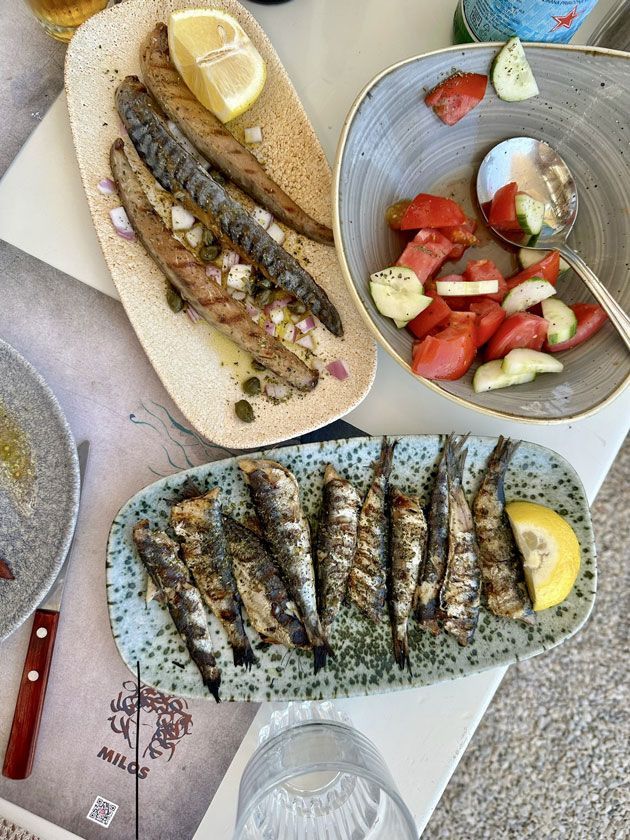
- Food never contains just one micronutrient. For example: a sardine is rich in omega-3, vitamin D, B12, selenium, and protein. Better than a multivitamin. And this holds for every “natural” food (obviously not hyper-processed ones). It’s another of the reasons why I always try to avoid processed foods and focus on an anti-inflammatory diet. I talked about it here.
- The micronutrients in food are bioavailable (you absorb them better) and naturally dosed: you don’t risk “overdoing it” by eating too many zucchini or cucumbers. Or at least, it’s difficult. With supplements, on the other hand, it’s absolutely possible, and not even that hard.
A quick aside on supplements marketed specifically for hair and nails.
They’re often not very useful, because the doses aren’t high enough to actually deliver a result for your hair. And they often contain vitamins you’re not deficient in, alongside, perhaps, others you are.
Better to get blood tests, understand your individual situation, and take targeted supplements based on your specific case and needs.
Not just food
Food certainly matters, but micro- and macronutrients aren’t the only causes of hair loss. Among the other causes are stress, irregular sleep, and excessive use of hair products.

Stress
Chronic stress makes your hair fall out. It’s been studied and documented for decades.
But there are tools we can use to reduce it, and personally they’ve helped me enormously:
- One Pilates session a day: you focus on your breathing and the exercises; it becomes a moment for yourself (besides toning your body). That’s exactly what we do in Pilates Linfodrenante®. If you’d like to discover its benefits, read here.
- A walk before bed, ideally outdoors.
- 5 minutes of meditation or controlled breathing: try inhaling for 4 seconds, holding your breath for 7, and exhaling for 8. Repeat for 5-6 cycles.

Sleep
During sleep, the body regenerates, and consistently sleeping too little or badly (or, worse, both) affects your hair too.
Try to sleep around 7 hours a night, and above all, go to bed and wake up at roughly the same time, weekends included. I know it’s not easy, and you don’t have to be perfect: even just trying helps.

Harsh products
Aggressive shampoos and hair products, or heavy use of hair dryers and straighteners, weaken hair, leading over time to thinner, weaker strands.
And grey hair?
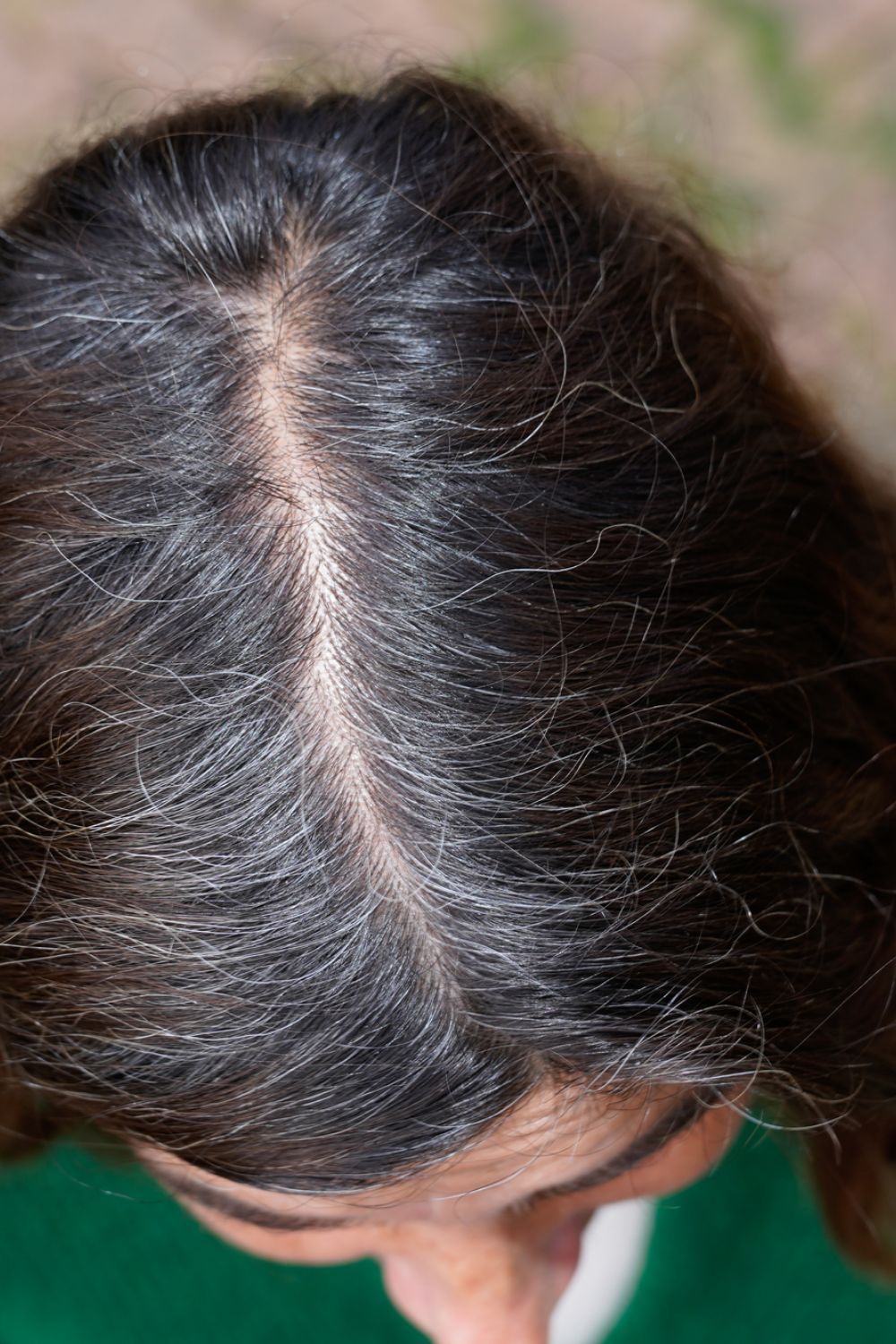
We’ve talked a lot about hair loss, but we haven’t touched on something natural: hair turning grey. And yet here too, one micronutrient can make a difference. In this case, it’s copper.
Without enough copper, hair can lose pigment, turning lighter or grey ahead of time.
That’s because copper is a cofactor of tyrosinase, the enzyme that produces hair melanin.
Copper-rich foods:
- Liver
- Oysters
- Pure chocolate
- Spirulina
- Shiitake mushrooms
The best tests to check for copper deficiency are serum copper and ceruloplasmin.
One small detail: be careful if you take zinc supplements, because copper and zinc compete with each other. Zinc supplements reduce copper absorption, so if you take them, you’ll most likely need to supplement copper too (they should be taken at separate times, so they’re absorbed properly).
In general, the zinc/copper ratio should sit between 2:1 and 15:1, meaning your zinc intake should be between 2 and 15 times your copper intake. Your doctor will certainly be able to help you.
Frequently asked questions
How long before I see results?
Hair grows about 1 cm a month, and the life cycle of a single hair spans years. If you start correcting deficiencies today, you’ll see the first improvements in 3-6 months. It takes a lot of patience.
I’m losing a lot of hair but don’t know if it’s “normal”: how can I tell?
It’s normal to lose up to 100-150 hairs a day. It becomes a warning sign when you see a clear increase over your usual, for several consecutive months. In that case, talk to your doctor and get blood tests.
Does biotin really help?
As we’ve seen, only when the hair loss is due to a biotin deficiency. In other cases, no.
What changes in menopause?
The drop in estrogen can accelerate shedding and thin the hair. In this phase, optimizing micronutrients and diet becomes even more important.
In short
Hair loss is almost never random. Very often, hair that falls out or breaks is one of the signals your body sends to let you know it’s running short on something.
If that’s the case, talk to a doctor and get blood tests to understand how to act.
If you don’t have specific problems, but simply want beautiful hair, a varied diet and taking care of your sleep and stress are among the simplest and most effective things you can do.
Taking care of your hair, in the end, means taking care of your whole body. If you’d like to start taking care of yourself and your hair with a complete, 360-degree approach, try my Pilates Linfodrenante®: Pilates, anti-inflammatory eating, stress management, and lifestyle tips to tone, drain, and debloat.
