Water Retention in the Legs: Why They Swell First and What Really Works
Why do legs swell so easily? Discover what affects fluid drainage, how to relieve swelling quickly and which daily habits can help over time.
You recognize them right away, the days when it happens. In the morning the trousers come in normally. Around five in the afternoon you notice them pulling behind the knee.
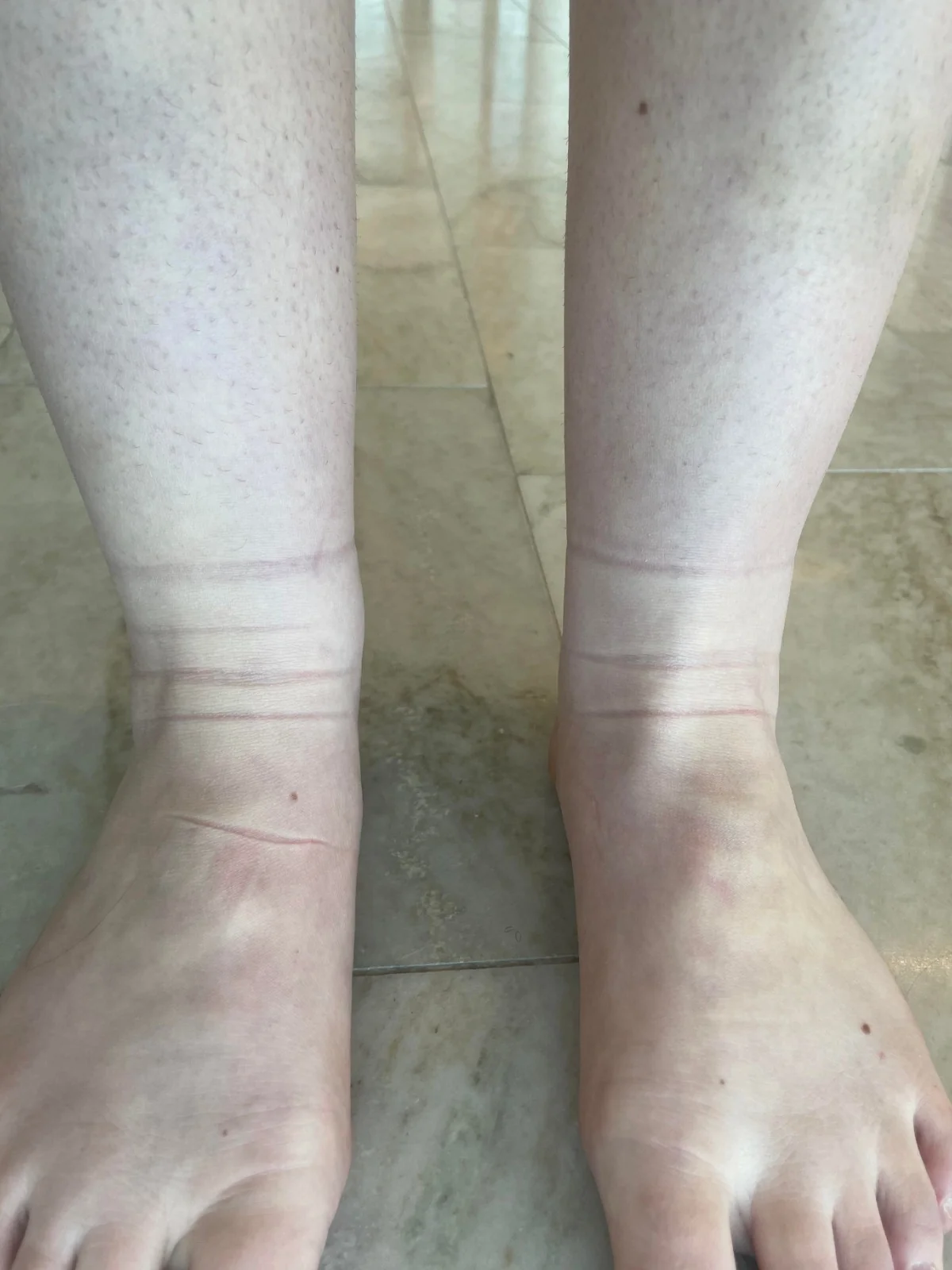
In the evening you take off your socks and there is the sign of the elastic band, which remains there for a quarter of an hour. And if you sit on the couch and stretch your legs, you really feel the weight.
It's not imagination and it's not generic retention.
It's a plumbing thing, and legs are the worst place on the body to be in it.
This article explains why it happens to them first, and what really works, distinguishing the things that provide relief for an hour from the things that change the situation.
First, in two minutes: how the lymphatic system works
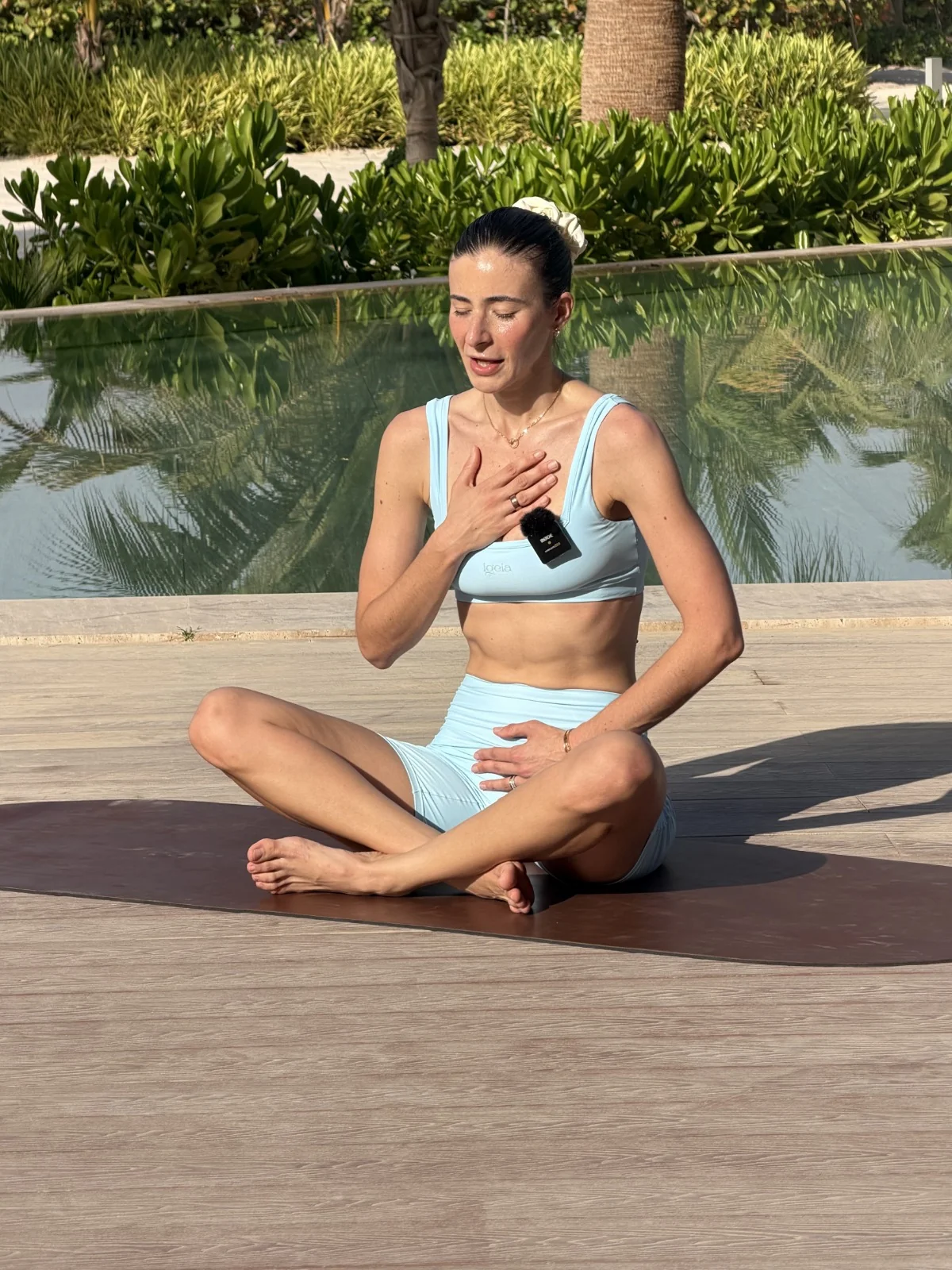
To understand why some things work and others don't, you need two pieces of information. There are two of them, and they are simple.
The first: what is sap. Blood reaches the tissues through very thin capillaries, and at that level some of the fluid it carries exits and ends up in the spaces between the cells.
Most then re-enter the venous capillaries, but a portion remains outside. That share is the lymph, and it must re-enter the circulation by another route: the lymphatic system.
If he doesn't come back in, stay there. What you feel like swelling is exactly this: liquid stuck in the spaces between the cells.
The second, and it's the one that changes everything: the sap doesn't have a pump. Blood has a heart, which beats by itself all day. The lymphatic system has nothing equivalent.
It moves thanks to three external forces:

The contraction of muscles
When a muscle contracts, it compresses nearby lymphatic vessels and pushes the fluid forward. One-way valves prevent him from going back.
The movement of the diaphragm
The thoracic duct, the largest lymphatic vessel in the body, passes through the diaphragm. Each deep breath creates a call that draws the sap upward.
The external compression
An operator's hands, a pressure therapy leg, an elastic stocking.
Keep them in mind, because everything you read below works to the extent that it touches on one of these three.
Because the legs themselves
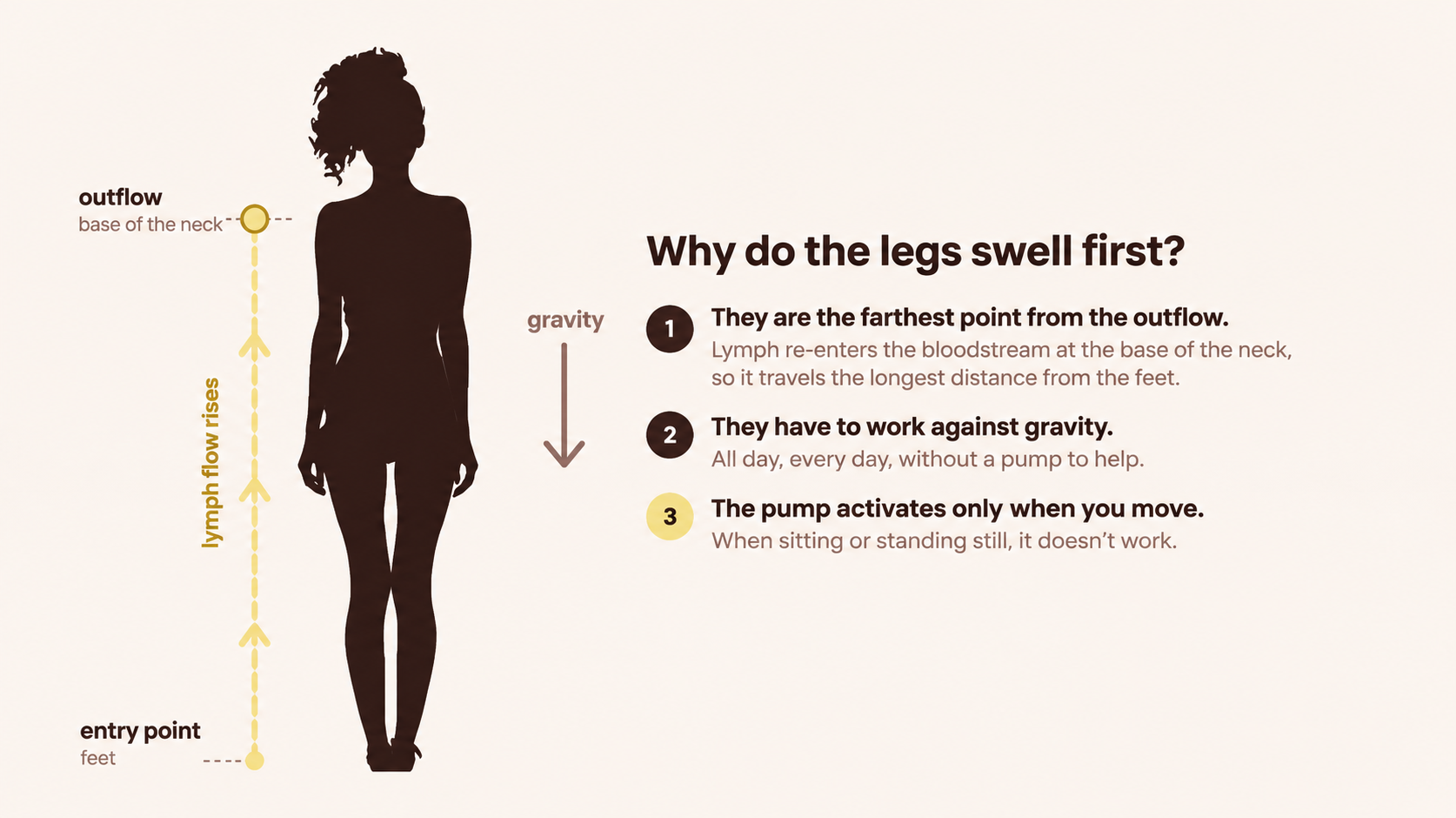
There are three reasons, and they do not act separately: they add up.
-
I'm the furthest point from the exit
The lymphatic system collects excess fluid from all over the body and returns it to the blood in one place: two large ducts that open at the base of the neck.
So the sap that starts at the feet must pass through the entire body before reaching its destination. The one that starts from the shoulders is twenty centimeters.
All else being equal, the longest path is the one that gets clogged first.
-
They have to work against gravity
Arterial blood flows out of the heart. The sap must come up, and he has no heart to push it.
When you stand or sit, gravity pulls down all day, every day. It is a constant force that works against the return, and to which the body can only oppose the muscle pumps.
And that's why the swelling in the legs almost always follows the same pattern: minimum in the morning as soon as you wake up, after a night horizontally, maximum in the evening.
If you think about it, night is the only time gravity stops being a problem.
-
The calf pump only activates if you walk
This is the part that almost no one knows, and it is the most important.
The calf is not just an aesthetic muscle. It is what is called the second heart in physiology.
The deep veins of the leg pass into the muscle mass of the calf. Each time the muscle contracts, it compresses them and pushes the blood and lymph upward.
One-way valves prevent liquid from falling back. When the muscle relaxes, the vessels fill again and the cycle begins again.
Under the foot, then, there is a second pump: a group of muscles that compress like a sponge with each step and give the initial push.
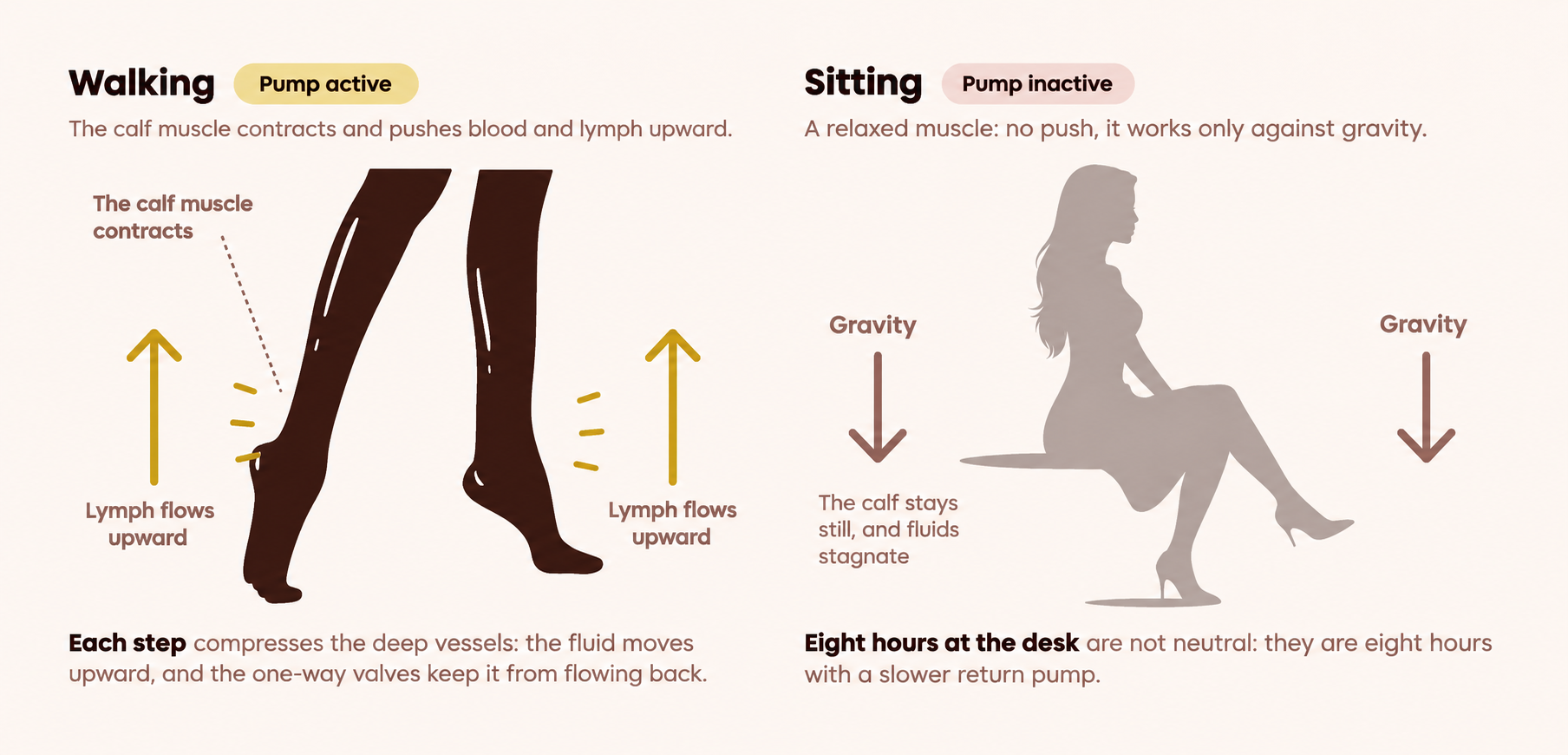
Now, the point: these pumps only activate with the step.
They don't activate when you're sitting. They don't activate when you stand still behind a counter. They don't activate when you're in the car or on the plane.
Eight hours at your desk is not a neutral condition where you simply don't exercise. It's been eight hours since the main engine for returning from the legs has been turned off, while gravity continues to work.
That's why your legs swell first. And also because the most effective remedy costs nothing.
The situations that make everything worse
If you recognize yourself in more than one of these, you have found your problem.
-
Sitting for a long time, especially with your legs crossed
The overlap compresses the groin, which is the main lymphatic station throughout the return from the lower body. You're closing the bottleneck right at the narrowest point.
-
Stand still
It's worse than sitting, if you're really still. You have full gravity and no contraction - it's the worst combination. Those who work at the counter or in the shop know this well.
-
The heat
In summer the vessels dilate and filtration from the capillaries increases. It's why the same legs swell twice as much in July.
-
Long journeys
Plane, train and car combine immobility, sitting position and sometimes even reduced pressure.
-
The cycle phase
In the week before menstruation the body physiologically retains more fluids. Comparing a preciclo day with a post cycle makes no sense.
-
High heels all day
The foot gets stuck in extension and the ankle doesn't make full movement, so the foot pump doesn't work much.
-
Completely flat and rigid shoes
Curiously, the opposite problem: if the foot does not roll, the plantar sponge does not compress.
What works, and for how long
Here you have to make a distinction that is not usually made, and which saves you time and money.
There are things that give immediate but temporary relief, and things that change the basic condition. They serve both, but should not be confused with each other.
Immediate relief
The legs against the wall
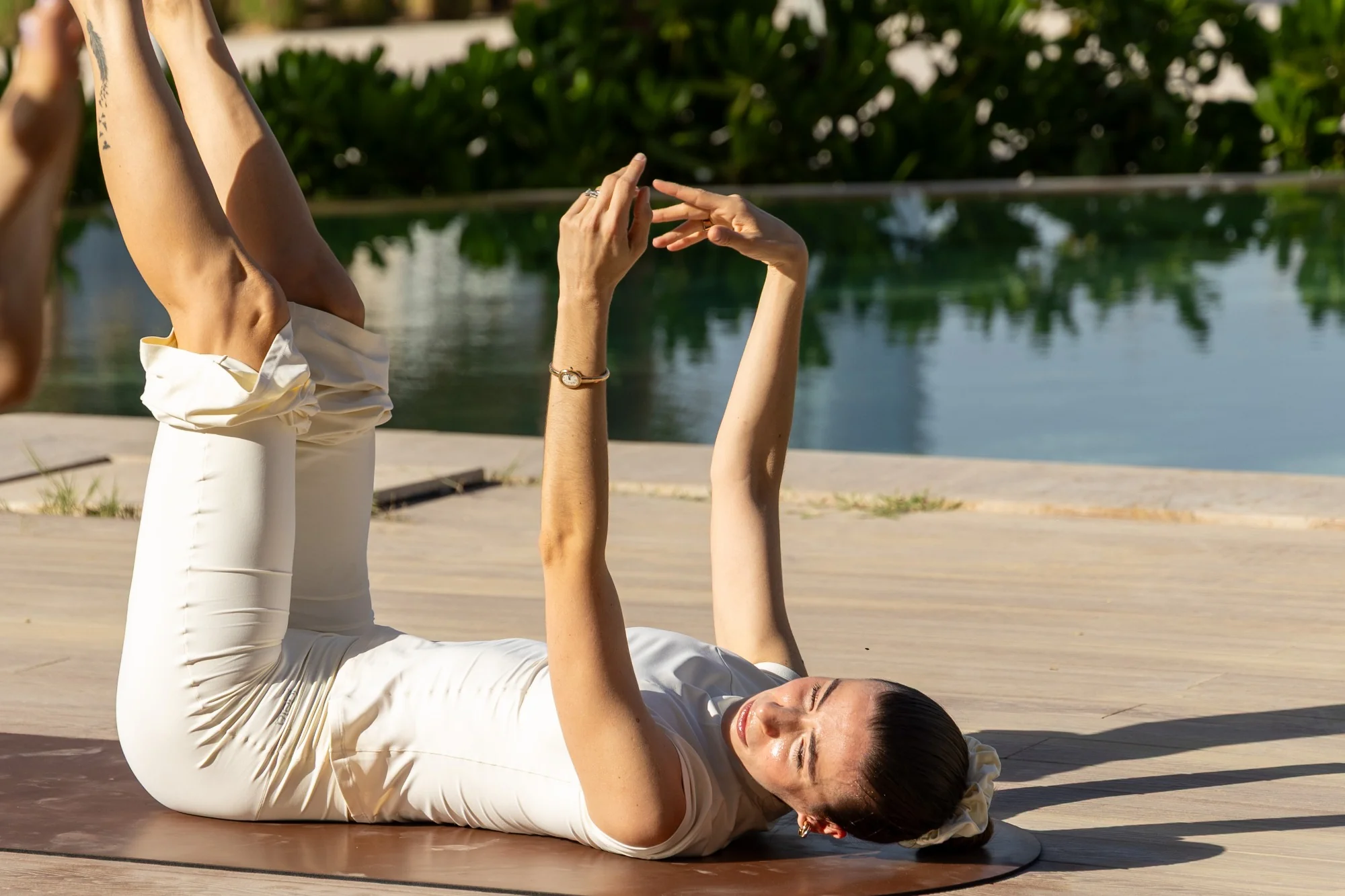
The most effective of all in relation to effort. You lie down, rest your legs vertically against the wall, with your pelvis close to the wall, and stay there for five to ten minutes breathing slowly and deeply.
You're taking the sap out of the work against gravity and activating the diaphragm at the same time.
This is why the most followed class ever on my app is Light Legs in 7 Minutes, which is exactly that.
The cold water jet on the legs
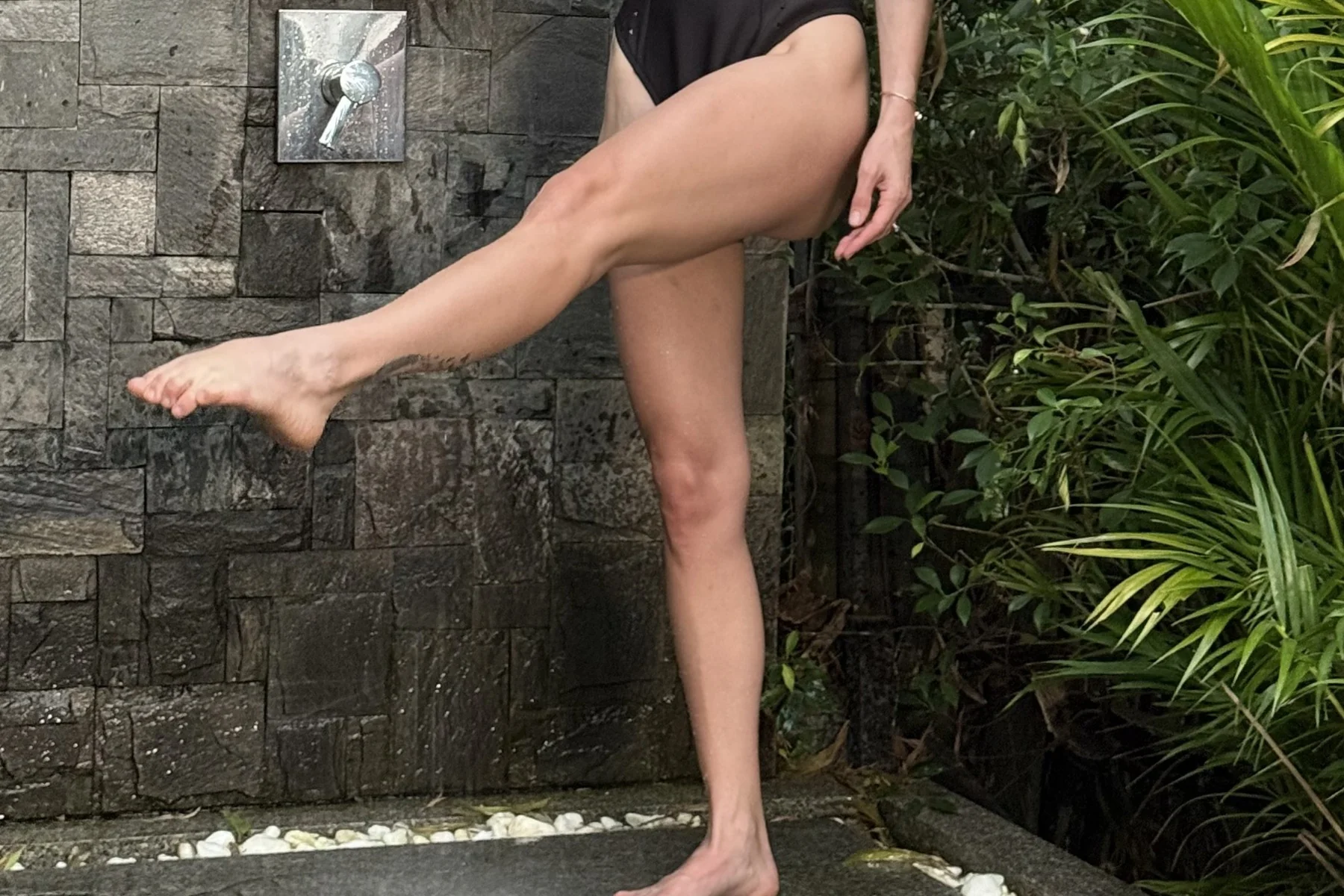
From bottom to top, at the end of the shower. The cold produces vasoconstriction and gives an immediate feeling of lightness. It doesn't last long, but the evening is very pleasant.
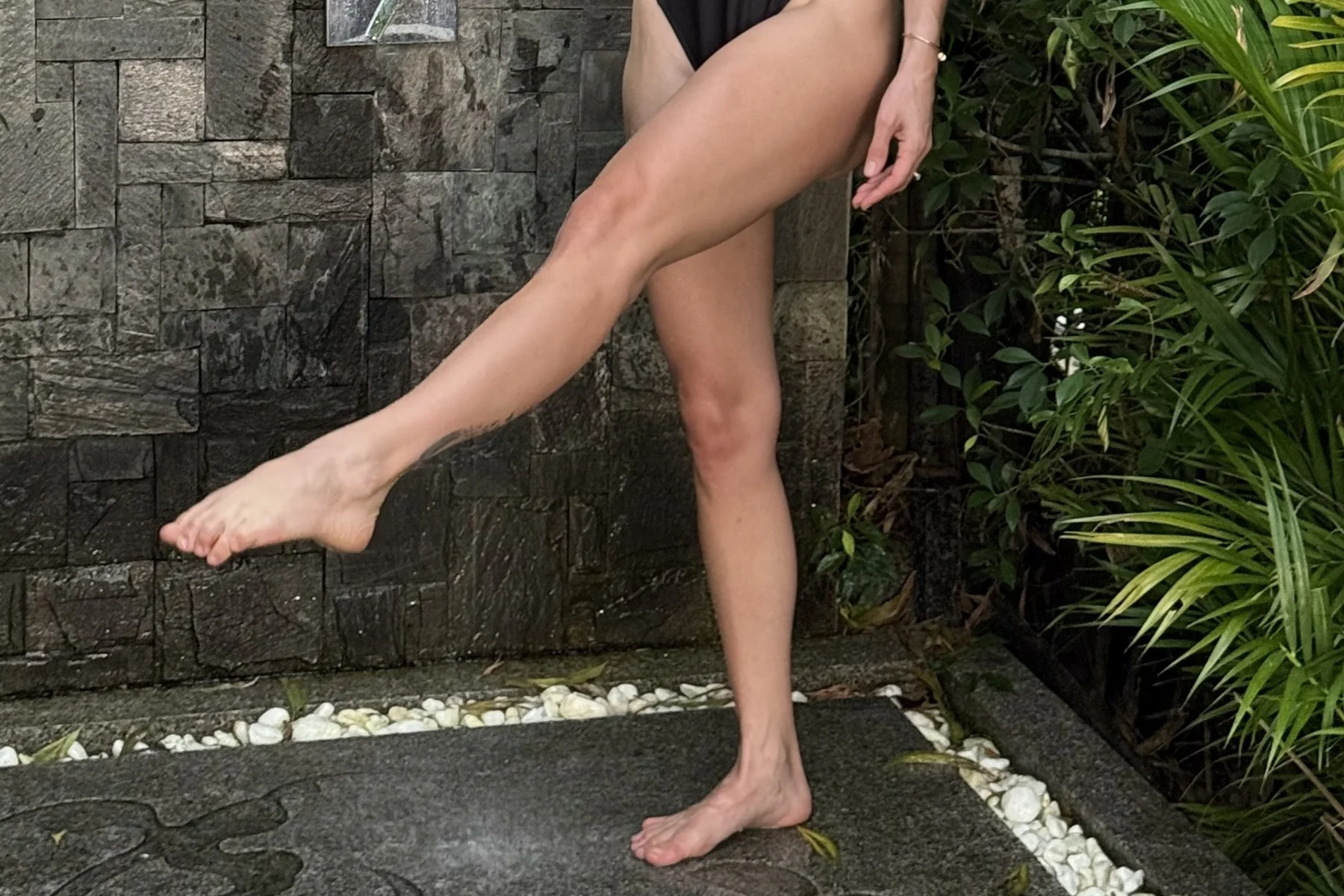
The self-massage from the bottom up
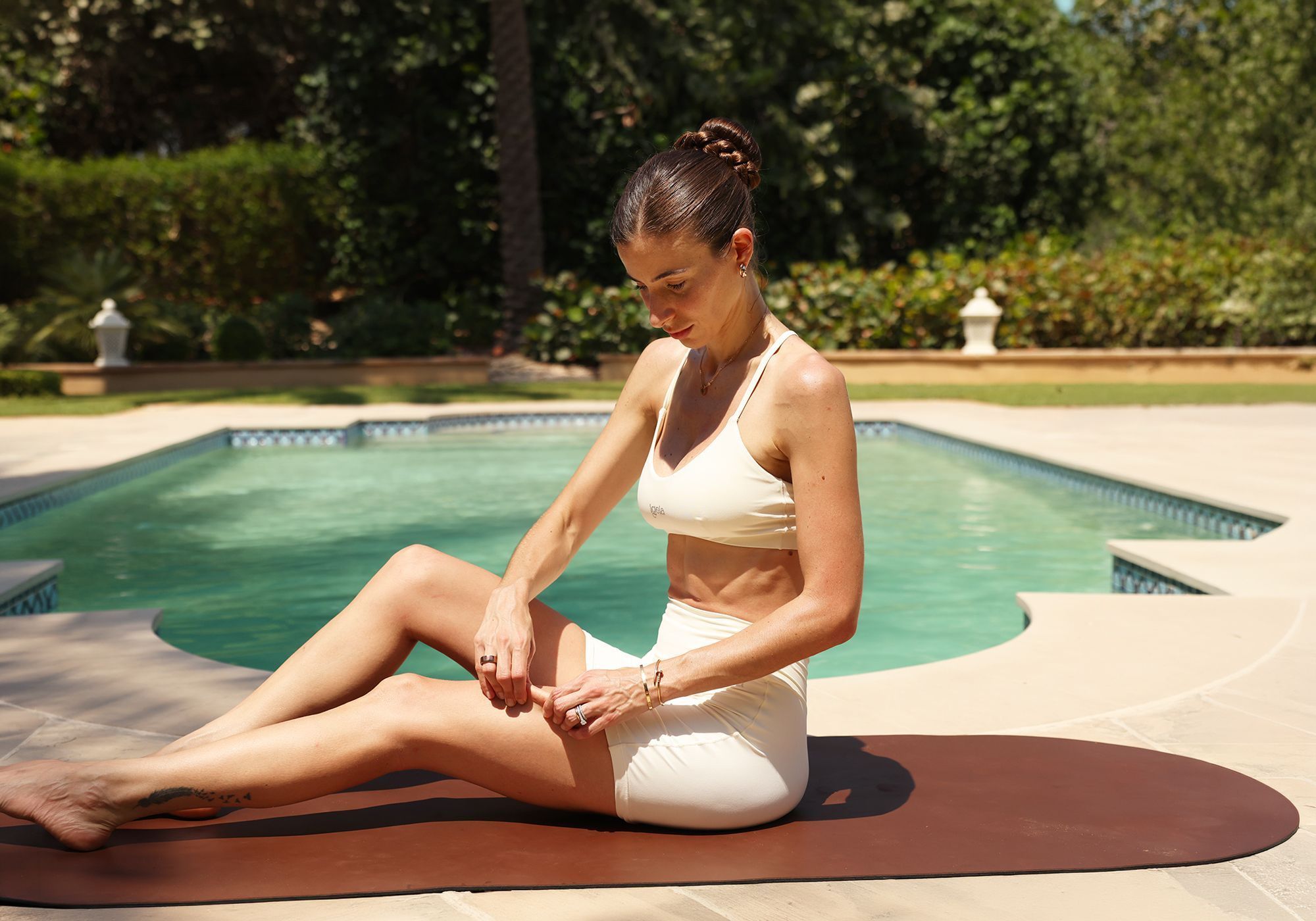
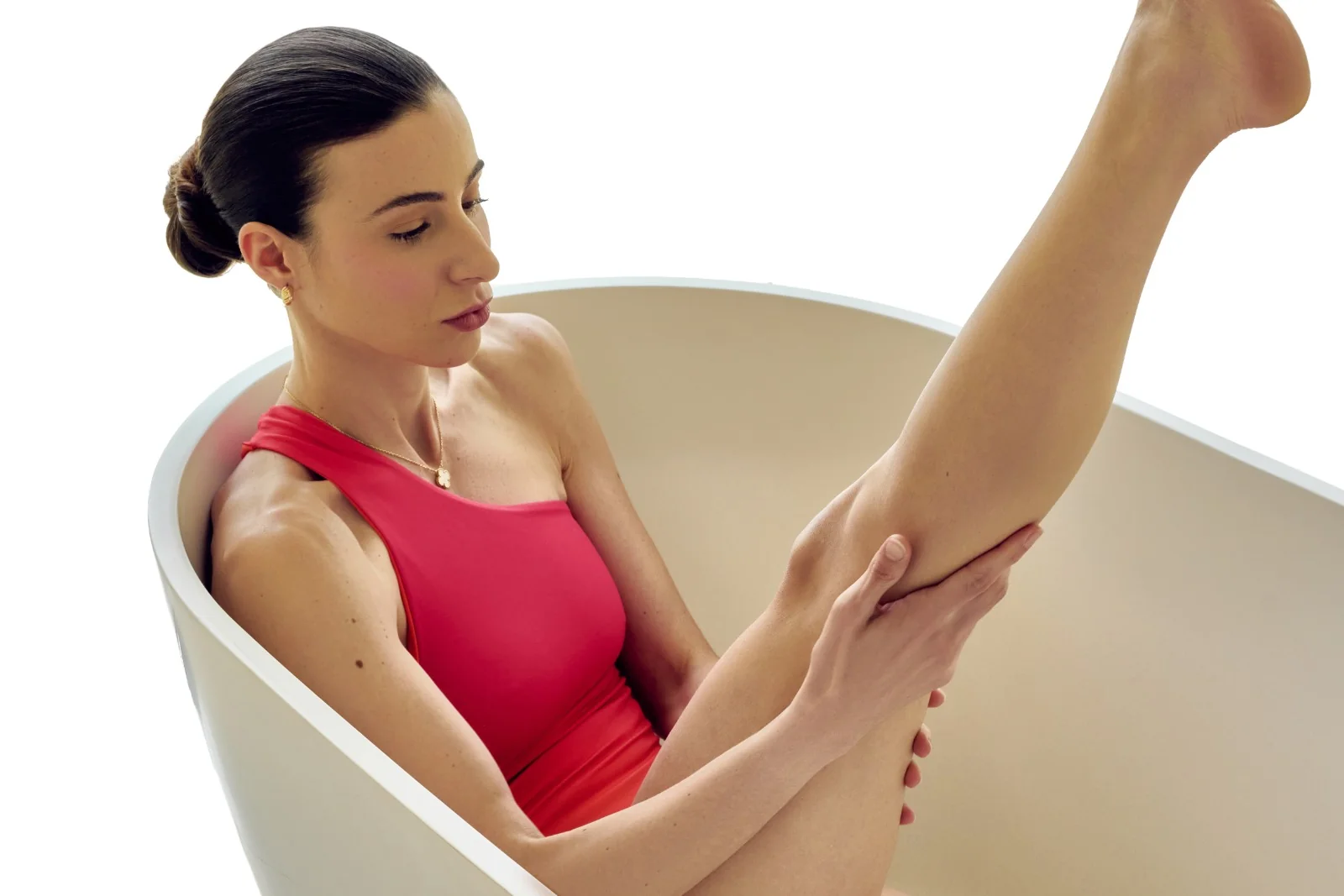
With light pressure, starting from the groin to clear the station and then moving up from the ankle. Direction matters, strength does not: the superficial lymphatic vessels are just under the skin.

Lift the feet of the bed
A few inches, if morning bloating is a theme. Eight hours of gentle tilting makes more than ten minutes of legs at the wall.

What changes the situation
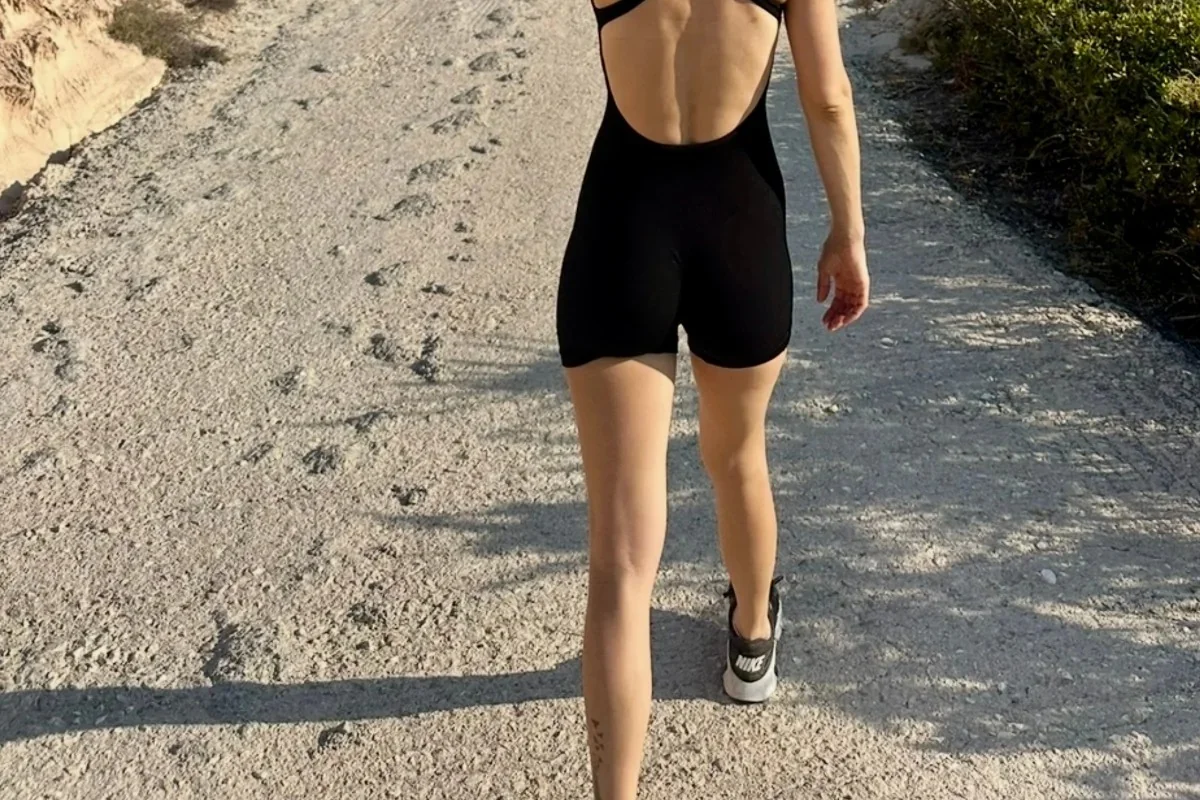
Walking every day
It's the number one thing and it costs zero. Each step operates the calf pump and plantar sponge. It doesn't take an hour: twenty or thirty minutes a day changes the picture much more than one long session a week.
Stop sitting every hour
Even just getting up and taking two minutes of steps. If you can't get up, do twenty toe lifts under the desk: activate your calf without moving from the chair.

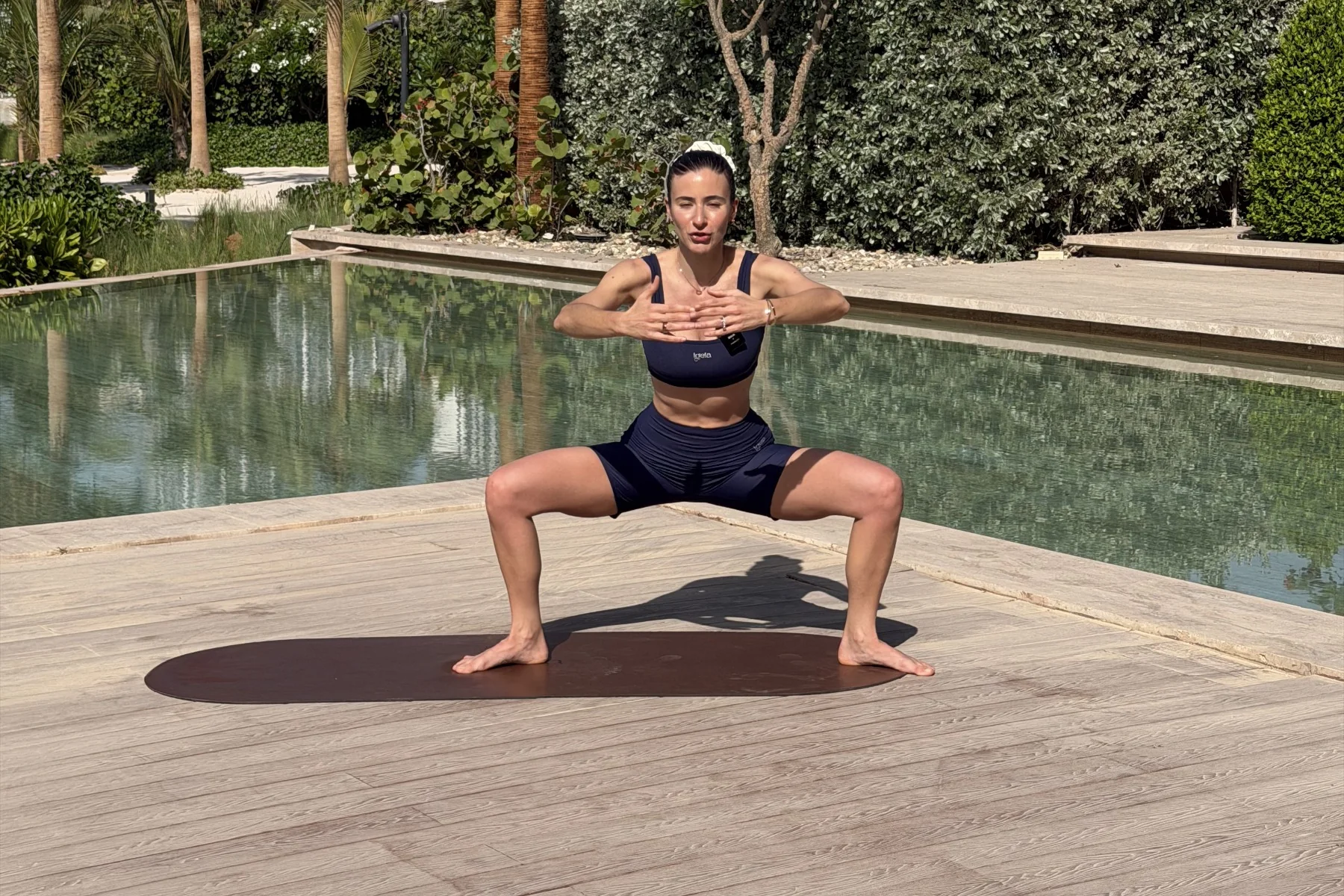
Building muscle mass in the legs
A stronger calf is a more efficient pump, all day long, even when you don't think about it. It's why toning and draining aren't two separate goals: the former improves the latter permanently.
Working on Breathing
The thoracic duct, the largest lymphatic vessel in the body, passes through the diaphragm. Each deep breath creates a call that draws sap from the lower body. If you're chest breathing all day, you have one pump in two.
Reduce sodium and processed foods, and drink more
Excess sodium keeps water in, and dehydration makes the sap thicker and slower. Here you find foods that increase retention. Drinking more to deflate seems counterintuitive, and that's exactly how it is.

And the treatments? When they are needed and when they are not
At this point the question comes to itself: what about actual lymph drainage, that done by someone?
There are essentially four roads, and they all work. They differ on three variables that decide the actual outcome.
Cost: high, per session
Realistic frequency: weekly to monthly
Alone: no
Toning: no
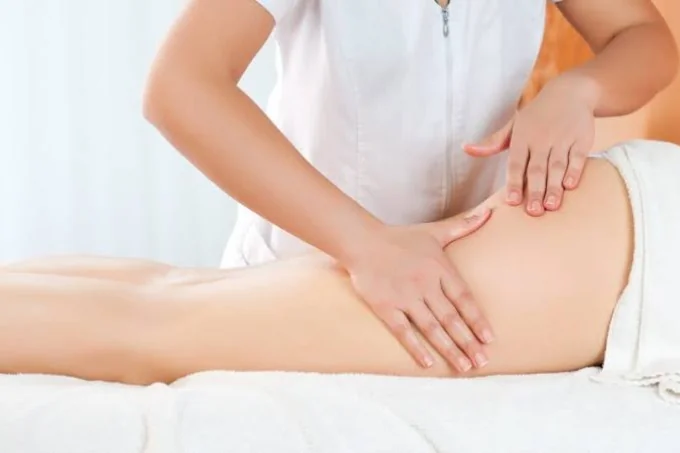
Cost: medium per seat, high if you buy the appliance
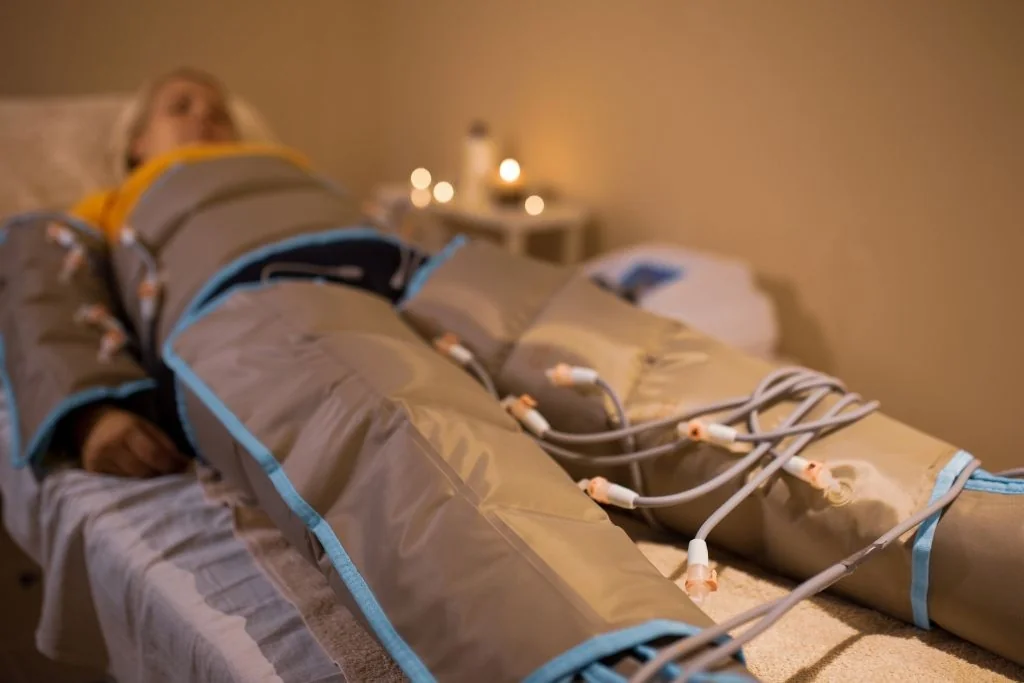
Realistic frequency: in cycles
Alone: if you have braces
Toning: no
Cost: Nil
Realistic frequency: daily
Alone: yes
Toning: no
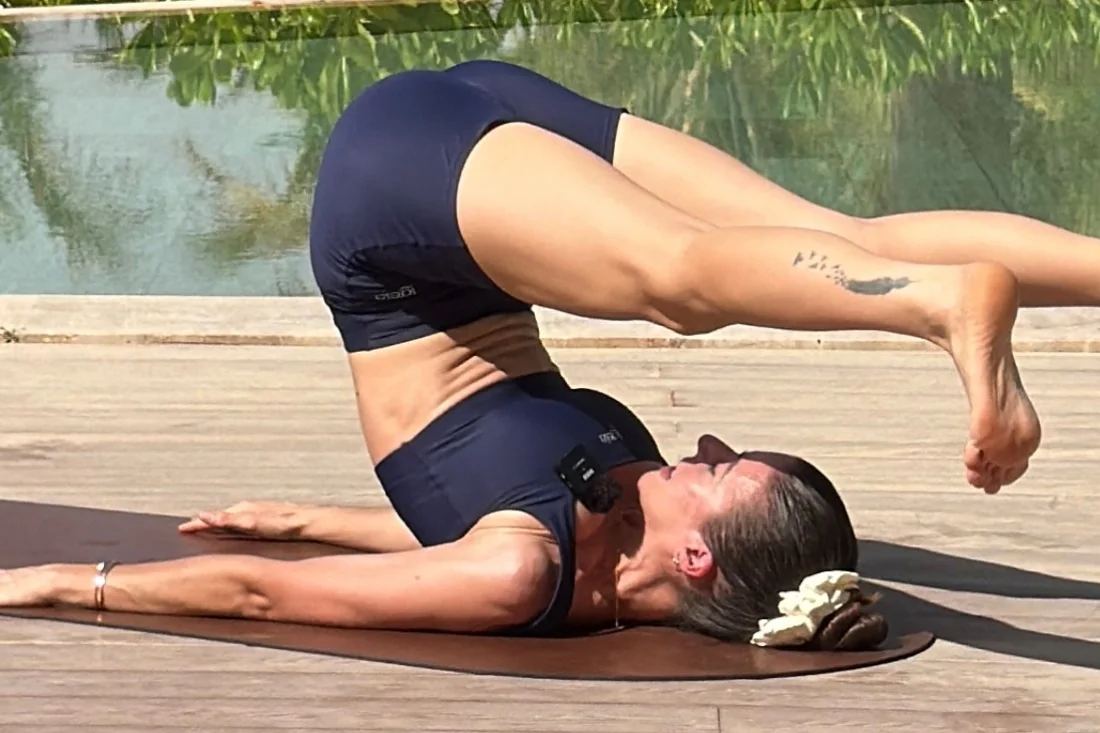
Cost: Nil or Subscription
Realistic frequency: daily
Alone: yes
Toning: yes
Manual lymphatic drainage is a treatment performed by a trained operator, with slow, very light pressure maneuvers that follow the direction of lymphatic flow.
In the clinical setting, for example in lymphedema, it is the correct choice and is part of a medical process. The limit is not technical, it is practical: it costs per session and requires an appointment, so it hardly becomes a daily occurrence.
Pressotherapy gives a substantial compression on the limbs, but you are still during the treatment: there is a lack of muscle contraction and shortness of breath.
And this is where the decisive point of the whole article comes in: drainage does not accumulate, it is maintained.
Muscle mass builds up: if you train for six months and stop for two weeks, the muscle is still there. The sap does not. It moves as long as you move it, and the benefit lasts as long as you keep producing it.
Which means that, of the four paths, the one you can repeat every day is worth more than the technically most powerful one you can do twice a month.
If you can combine them, even better: daily movement plus periodic sessions is the best combination overall. They are not alternatives, they are complementary.
Why the wrong movement can make your legs worse
This part is always surprising, and it concerns many women who train a lot and continue to have swollen legs.
Not all movement drains. Some types work against.
-
The race
When you walk, your foot rests, rolls and compresses, and the plantar sponge does its job. In running the impact is too violent and too rapid for that mechanism to complete.
Furthermore, running significantly raises body temperature and generates acute inflammation, which on an already struggling system is an additional burden.
-
The very heavy loads
Same logic: high temperature, acute inflammation, plus a prolonged upright position under load.
-
Anything that raises cortisol a lot
Overly intense, repeated, recovery-free, and sleep-deprived workouts keep cortisol chronically high, and high cortisol promotes sodium and water retention.
This doesn't mean running hurts, nor that weights are a mistake. If you run, you're fine, and your legs respond, there's no reason to change.
But if your main problem is heavy legs, swelling, and retention, then it's worth knowing that you're probably using the wrong tool for that specific goal.
Ilaria talks about why I stopped running and what changed in three months.
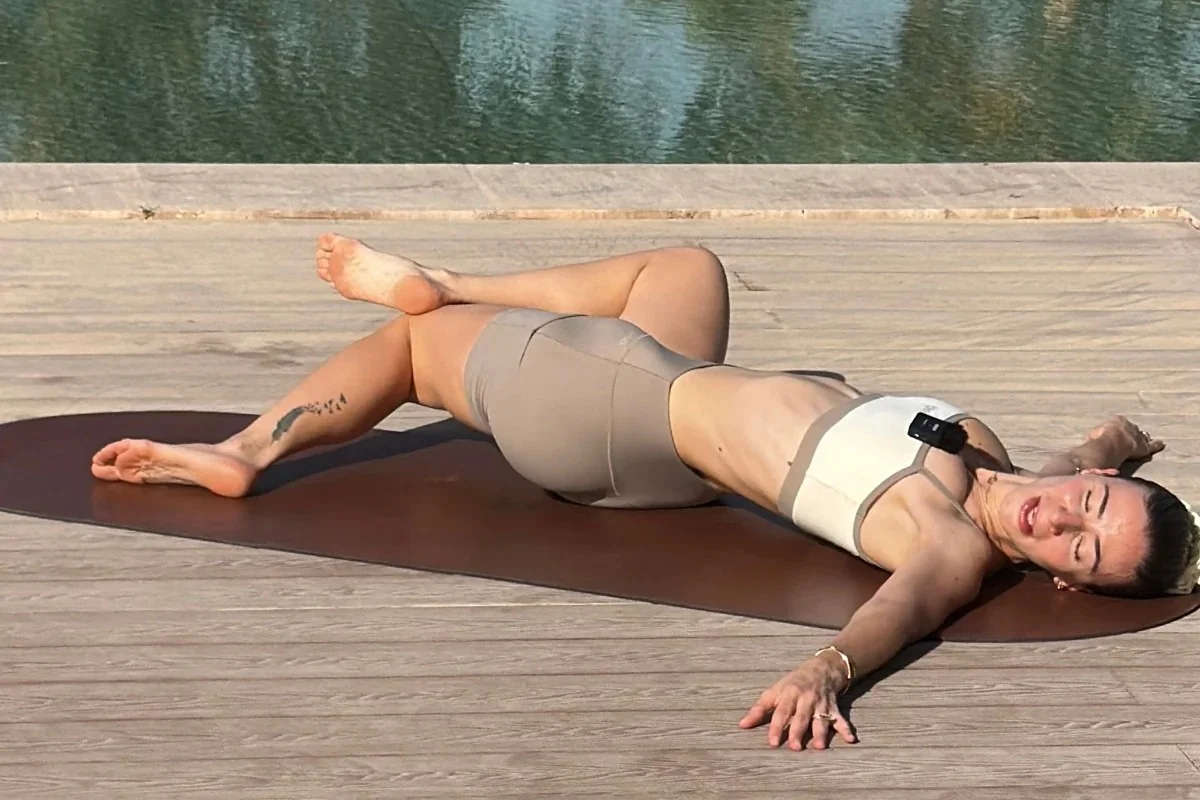
The movement that drains the legs is low-impact, alternates different positions including those where the feet are higher than the pelvis, actively involves the calf and ankle, and above all is coordinated with deep breathing.
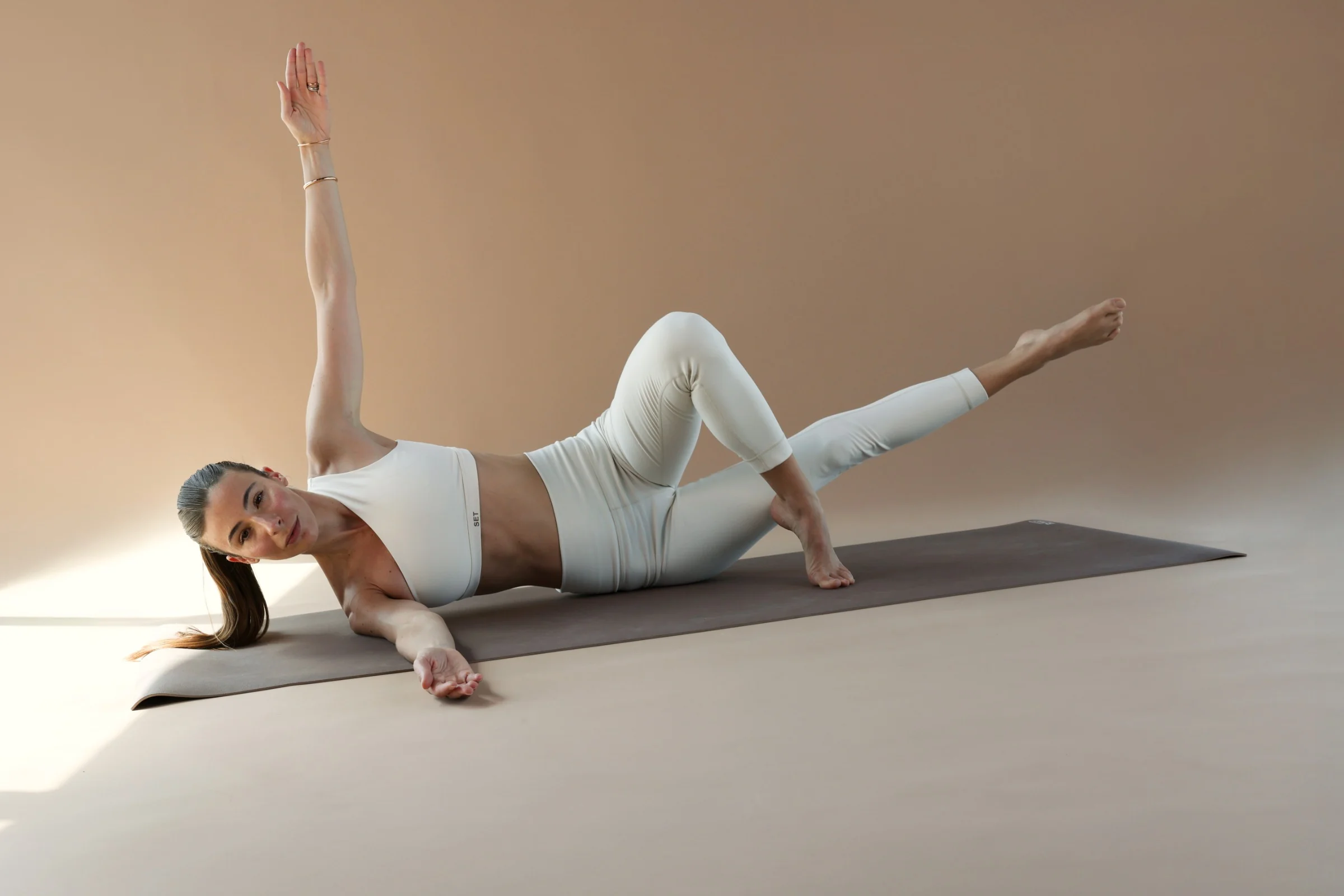
This is exactly what I built Lymphatic Sculpt Pilates™ on: it opens by activating lymphatic stations, couples each movement to prescribed breathing, alternates standing work and reversing exercises, and doesn't use heavy loads, so you can repeat it every day without accumulating stress.
When leg swelling isn't just retention
Most of the swelling in the legs is as described here: gradual, on both legs, worse in the evening, better in the morning, sensitive to movement.
However, there are different pictures, which should be looked at by a doctor and not managed with drainage.
See a doctor right away if:
- The swelling suddenly appears
- It affects only one leg, especially with pain, heat, or redness in the calf
- It is accompanied by chest pain or shortness of breath
- The skin is tight, shiny, sore or warm
- It doesn't get any better in the morning after a night in horizontal
It's worth a visit, without urgency, if: the swelling is constant and never varies throughout the day, if typical lumps appear under the skin and pain when touched, which can lead to lipedema (here I explain how to recognize the symptoms of lipedema), or if you're familiar with venous or lymphatic problems.
An evening routine that really works
Ten minutes, every night, after dinner.
Two minutes of breathing
Lying down, one hand on your belly, you breathe slowly and deeply feeling your abdomen expand. You are turning on the diaphragmatic pump.
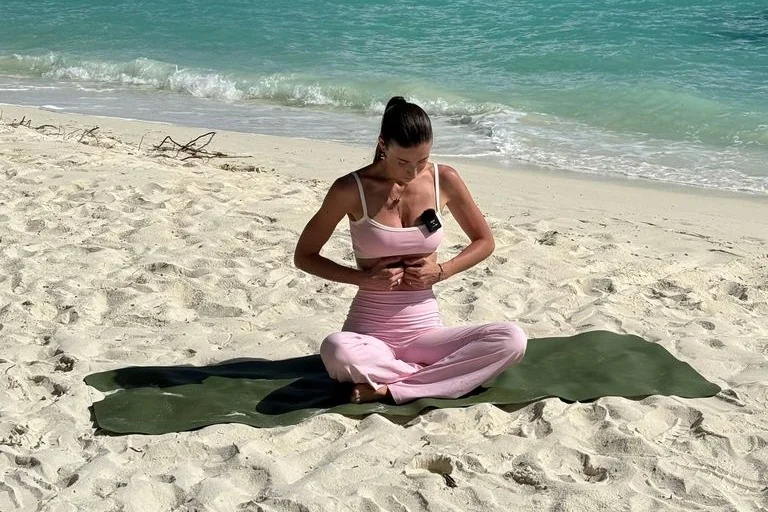
Thirty seconds on the stations
Light hands on the groin, then behind the knees, with gentle pressures. Free the transit before pushing the liquid upwards.

Five minutes of legs at the wall
Continuing to breathe deeply.
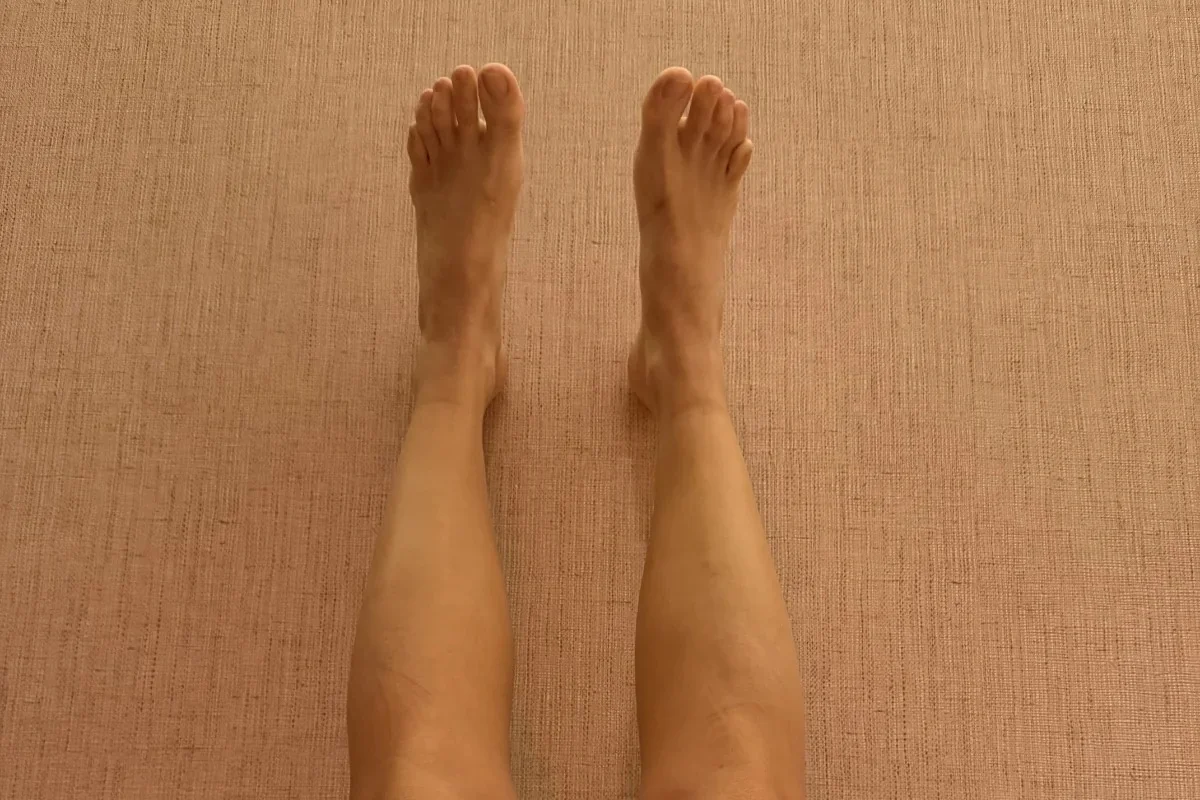
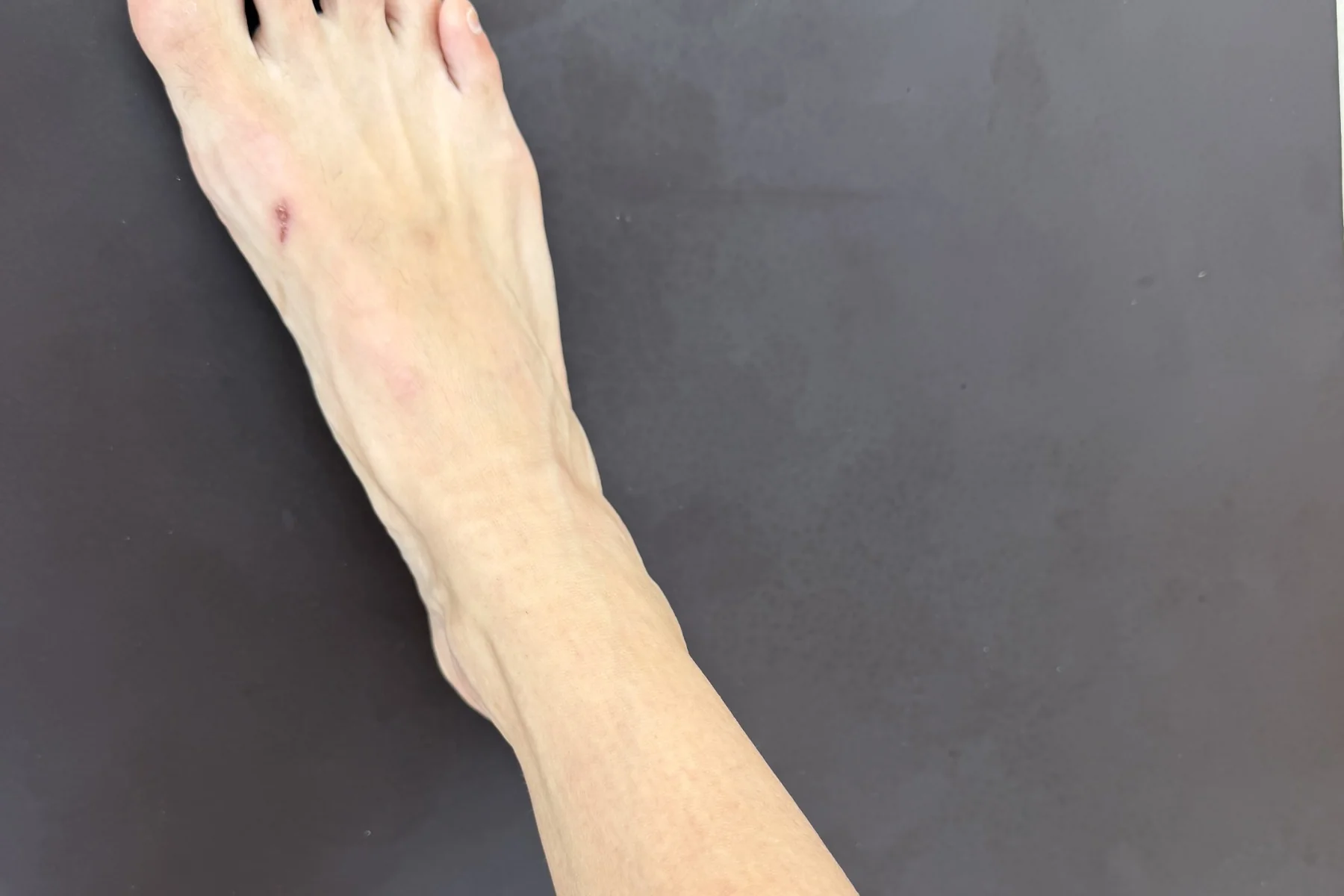
A minute of ankles
Still with legs against the wall, push-ups and extensions of the foot and small circles. You are operating the foot pump in a favorable position.
A jet of cold water from bottom to top
If you want to finish on a high note.
It is not complicated and does not require equipment. The only thing it requires is to do it every night, because the drainage maintains itself, not accumulates: it lasts as long as you continue to produce it.
Frequently Asked Questions
Why do legs swell more than other parts of the body?
For three reasons that add up. They are the furthest point from the outlet of the lymphatic system, which is at the base of the neck, so the return path is the longest. They have to work against gravity, without a dedicated pump.
And the pump that concerns her, the calf, is activated only with her step: if you sit or stand still, it remains off while gravity continues to work.
How do you do leg lymphatic drainage at home?
With light pressure and always from the bottom up, first freeing the groin station and then moving up from the ankle.
Direction matters, strength does not: the superficial lymphatic vessels are just under the skin and excessive pressure crushes them.
Self-massage provides relief, but if you're looking for lasting change, the deciding factor is daily exercise.
Do legs on the wall really work?
Yes, and it is the best benefit effort ratio there is for immediate relief. You're taking the work off the sap against gravity, and if you're breathing deeply, you're also activating the diaphragmatic pump.
Five or ten minutes in the evening is enough. It's relief, not cure: the underlying condition is changed by daily movement and muscle mass.
Why do legs swell more in the evening?
Because gravity works the entire time you're upright, and liquids build up progressively.
The night horizontally the body recovers, which is why the swelling is minimal in the morning. If it doesn't get better even after a night, it's worth seeing a doctor.
Does walking help with swollen legs?
Yes, and it is the most effective single thing. Each step drives the calf pump and the muscles under the foot, which push lymph and blood upward.
It doesn't take much time: twenty or thirty minutes a day changes the picture more than a long session once a week, because drainage responds to frequency.
Does running make your legs swell?
In running, the impact with the ground is too rapid for the foot muscles to complete the pumping motion they make while walking, and the intensity raises body temperature, generating acute inflammation.
For those who are well it is not a problem. For those who already have underlying retention, swelling, or inflammation, it can add load to a struggling system.
If your main goal is to deflate your legs, walking is more effective.
Does Lymphatic Sculpt Pilates™ help with water retention in the legs?
Yes, and it's the kind of movement built for exactly that. It affects all three factors that make the legs the first area to swell.
Activate muscle contraction rhythmically, then operate the calf pump and muscles under the foot. It couples each movement to a prescribed breathing, which makes the diaphragm work as a second pump, and without that coordination only one in two is activated.
And he alternates standing work with inversion exercises, with his feet higher than his pelvis, taking the sap out of the work against gravity.
Plus, it doesn't use heavy loads or raise body temperature, so you can repeat it every day without accumulating inflammation: and for drainage, which is maintained rather than accumulated, daily frequency is the factor that matters most.
How long does it take to see lighter legs?
The feeling of lightness often comes after just a few days of daily movement and hydration, because liquids respond quickly.
A visible change typically takes a few weeks. Structural changes, such as a more efficient muscle pump, are built in a few months.
Is pressure therapy or leg movement better?
Pressotherapy works well on the limbs and provides consistent compression, but you are still during treatment, so muscle contraction and shortness of breath are missing, and it must be paid for or requires braces.
The movement drives both natural pumps, it is free, it can be done every day and it also builds muscle, which makes the pump more efficient over time.
If you can do both, so much the better: they are complementary.
Carlotta's insights, straight to your inbox
Just your name and email, unsubscribe anytime.